Can Dogs Share Toothbrushes? A Dog Lover‘s Guide to Canine Dental Care
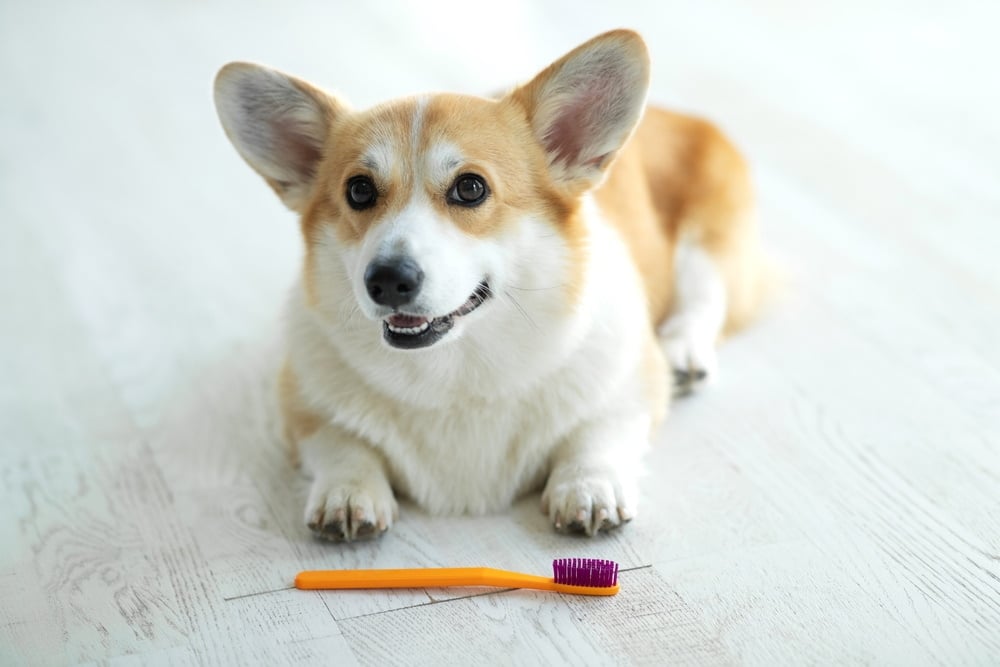
As a lifelong dog lover and veterinarian, I know firsthand how important it is to take care of our furry friends‘ teeth. Just like humans, dogs can suffer from painful dental diseases like gingivitis and periodontal disease if their teeth aren‘t kept clean and healthy. And as much as we love our dogs‘ sloppy kisses, there‘s nothing quite as cringe-worthy as getting a whiff of stinky dog breath!
That‘s why many responsible dog owners, myself included, brush our pups‘ teeth at home in between professional dental cleanings at the vet. But what if you have a multi-dog household – is it okay for your dogs to share a toothbrush? Here‘s the lowdown on this burning question from a vet‘s perspective.
The Doggy Dental Microbiome
First, let‘s look at what‘s actually living in your dog‘s mouth. Just like the human oral cavity, the canine mouth is teeming with hundreds of different species of bacteria, as well as other microbes like viruses and yeasts. Some of the most common bacterial groups found in dogs‘ mouths include:
- Porphyromonas sp. (especially P. gulae and P. cangingivalis)
- Actinomyces sp.
- Fusobacterium sp.
- Tannerella sp.
- Treponema sp.
- Peptostreptococcus sp.
(Source: Canine Oral Microbiome, Frontiers in Veterinary Science, 2021)
Many of these bacteria are normal inhabitants of a healthy canine mouth. However, when oral hygiene is neglected, certain bacterial species can overgrow and cause inflammation, leading to gingivitis (gum inflammation) and eventually periodontitis (loss of the bone and soft tissue supporting the teeth).
Studies have found that periodontal disease is incredibly common in pet dogs, with prevalence estimates ranging from 44% to over 80%. Risk increases with age, and small breed dogs are particularly prone due to tooth crowding.
(Sources: Prevalence of periodontal disease in dogs, Veterinary Ireland Journal, 2019, Risk factors associated with canine periodontal disease, Acta Veterinaria Brno, 2021)
Risks of Sharing a Toothbrush
Okay, back to the question at hand – can Fido and Fluffy share a toothbrush? The answer is that while they definitely can, they probably shouldn‘t.
Much like humans, dogs can transmit bacteria and other germs to each other through saliva. So if you use the same toothbrush on multiple dogs, you could potentially spread oral bacteria, including cavity- and gum disease-causing species, between them.
What‘s more, certain infectious diseases that affect the mouth, such as canine oral papillomavirus (which causes oral warts) and canine influenza virus, could theoretically be passed from dog to dog via a shared toothbrush.
Now, we do have to acknowledge that dogs who live together are already constantly swapping spit. They drink from the same water bowls, share toys, groom each other, and lick each other in greeting. So even if you use separate toothbrushes, your dogs are still going to transmit some oral bacteria to each other. It‘s basically impossible to completely prevent this exchange of microbes between canine housemates.
However, using a dedicated toothbrush for each dog is still a sensible hygiene measure to limit the spread of disease-causing oral bacteria, viruses, and other germs between dogs as much as possible. As a dog parent, I always err on the side of caution when it comes to my fur kids‘ health. If you do need to use the same toothbrush for multiple dogs in a pinch, be sure to thoroughly disinfect it with hot water or a quick dunk in diluted chlorhexidine solution between dogs.
Choosing the Right Toothbrush
Us dog lovers are spoiled for choice these days when it comes to doggy dental care products. Walk into any major pet retailer and you‘ll find a dizzying array of dog toothbrushes, toothpastes, dental sprays, water additives, and dental chews. So which type of toothbrush is right for your precious pup? Here‘s a quick breakdown:
| Type | Pros | Cons |
|---|---|---|
| Standard toothbrush | Inexpensive, easy to find and replace | May be too large for small dogs |
| Finger toothbrush | Allows you to feel what you‘re doing, good for small dogs and puppies | Less bristle surface area than other brushes |
| Multiple-head toothbrush | Cleans multiple tooth surfaces at once | Bulky, may not fit as easily in dog‘s mouth |
| Dental wipes/pads | Good for dogs who dislike brushing | Not as effective as actual brushing |
Ultimately, the best dog toothbrush is the one that both you and your dog are comfortable using. My Labradors aren‘t picky and will tolerate pretty much any type of toothbrush, but I‘ve found that small breeds and puppies often do better with petite finger brushes. For a gentle yet effective clean, I‘m a fan of the super-soft bristles on the Kinzd Dog Toothbrush or the Jasper Finger Dog & Cat Toothbrush.
Doggy Dental Don‘ts
Just as important as using the right toothbrush is using the right toothpaste. Never use human toothpaste on your dog – our minty pastes contain fluoride and xylitol, both of which can be toxic to dogs. There are tons of yummy poultry-, beef-, and peanut butter-flavored enzymatic toothpastes made just for dogs. My go-to is Petsmile Professional Dog Toothpaste, which contains Calprox, a proprietary encapsulated form of calcium peroxide. In studies, it‘s been shown to reduce plaque by up to 62% and tartar by up to 69% with regular use.
(Source: Petsmile Calprox toothpaste clinical trial)
Another big "don‘t" – don‘t get discouraged if your dog initially resists having their teeth brushed. It can take time and lots of patience, treats, and positive reinforcement to help your pup learn to love (or at least tolerate) the toothbrush. If your dog seems anxious or uncomfortable, don‘t force it. Try going back to an earlier step, like just touching their muzzle and rewarding them, before working back up to brushing.
Beyond Brushing
While brushing is the single most effective way to keep your dog‘s teeth clean between vet visits, it‘s not the only way to promote dental health. Other strategies include:
- Dental diets: Specially formulated kibbles like Hill‘s Prescription Diet t/d and Royal Canin Veterinary Diet Dental can help reduce plaque and tartar buildup by up to 59% when eaten consistently.
(Sources: Effectiveness of dental kibble, Advances in Small Animal Medicine & Surgery, 2022, Comparing effects of dental treats & foods, Journal of Small Animal Practice, 2020)
-
Dental treats & chews: The mechanical action of chewing helps scrape plaque off your dog‘s teeth. Look for products approved by the Veterinary Oral Health Council (VOHC), which have been proven to slow plaque and tartar accumulation. Some of the VOHC-approved treats that my dogs love are Purina DentaLife Chews, Greenies Original Dental Dog Treats, and Virbac C.E.T. VeggieDent Fr3sh Tartar Control Chews.
-
Water additives: Liquid additives like Oxyfresh Water Additive can be a helpful adjunct to brushing to reduce plaque-forming bacteria in your dog‘s mouth.
When to See the Vet
Even with diligent at-home dental care, most dogs will need professional cleanings from time to time. Veterinary dental cleanings are performed under general anesthesia to allow for a thorough oral exam, charting, x-rays, scaling and polishing of all tooth surfaces, and extractions of any diseased teeth. The American Animal Hospital Association recommends dental exams annually starting at age 1-2 for small-breed dogs and at 2-3 years of age for large-breed dogs.
(Source: AAHA Dental Care Guidelines for Dogs & Cats)
Signs that your dog could have dental disease and should see the vet sooner include bad breath, excessive drooling, red or swollen gums, yellow-brown tooth discoloration, loose or broken teeth, and decreased appetite. Dogs with dental infections are often painful, so you may notice them being more head-shy than usual, eating less enthusiastically, or even losing weight if their mouth hurts too much to eat.
(Source: Signs of dental disease in dogs)
Untreated dental disease doesn‘t just affect the mouth – bacteria from the oral cavity can enter the bloodstream and cause infections in distant organs like the heart valves, liver, and kidneys. This underscores the importance of being proactive about your dog‘s dental health before problems progress to this stage.
The Bottom Line
As a veterinarian and lifelong dog devotee, I know we all want our beloved companions to live their happiest, healthiest, and longest lives possible. Taking care of your dog‘s teeth and gums is a key part of that. Establish a daily tooth brushing routine with a dog-specific toothbrush and toothpaste, provide plenty of VOHC-approved dental chews, and see your vet regularly for dental checkups and cleanings. And unless it can‘t be avoided, don‘t let your dogs share toothbrushes. A little effort now can save your pup from a lot of pain (and you from some serious vet bills) down the line!