Why Are My Dog‘s Anal Glands Leaking? A Vet Explains Common Causes and Treatments
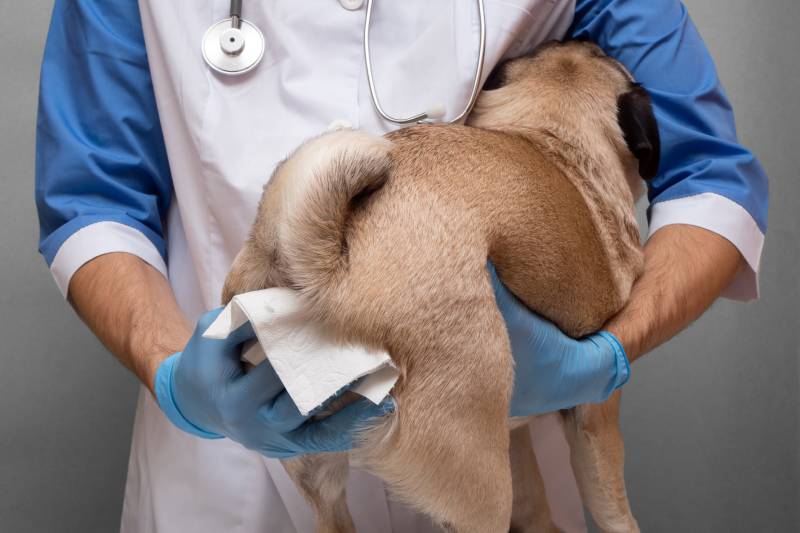
If you‘ve ever noticed a foul, fishy smell coming from your dog‘s rear end, or seen them scooting or licking their bottom excessively, leaking anal glands may be to blame. As a dog lover and veterinarian, I know anal gland problems are a common issue many pup parents face. Let‘s take an in-depth look at what causes this stinky situation, and what you can do to help your furry friend feel better.
Understanding Your Dog‘s Anal Glands
First, a quick biology lesson. Dogs have two small sacs located on either side of their anus, called anal glands or anal sacs. These glands produce a strong-smelling, oily fluid that helps your dog mark their territory and identify themselves to other dogs. Normally, a small amount of this fluid is expressed each time your dog poops, coating their stool.
However, problems arise when these glands aren‘t emptying properly, causing the fluid to thicken and build up inside the sacs. The anal glands can then become impacted, inflamed, or infected, which often leads to leaking, discomfort, and a noticeable odor. Some dogs are more prone to anal gland issues than others, especially small breed dogs and those who are overweight or obese.
7 Reasons Why Your Dog‘s Anal Glands May Be Leaking
So what causes a dog‘s anal glands to malfunction or leak abnormally? Here are some of the most common culprits I see in my veterinary practice:
1. Impaction
Anal gland impaction happens when the ducts that empty the glands get clogged or blocked, preventing the fluid from being expressed normally. This causes the sacs to become enlarged, inflamed, and painful. If left untreated, impacted anal glands can rupture through the skin, causing an abscess.
The most common reasons for anal gland impaction include:
- Thick or pasty anal gland fluid that can‘t be expelled
- Chronic soft stools or diarrhea that don‘t put enough pressure on the glands
- Obesity pressing on the glands and ducts
- Anatomical abnormalities like narrow or deformed ducts
- Overproduction of anal gland fluid due to infection or irritation
2. Infection (Anal Sacculitis)
Bacterial infection of the anal glands, or anal sacculitis, often develops secondary to impaction. When the fluid sits stagnant in the glands for too long, bacteria can multiply, leading to a painful infection. Infected anal glands usually leak pus or blood-tinged fluid that smells particularly foul. If the infection goes untreated, it can cause fever, lethargy, and loss of appetite in dogs.
3. Allergies
Allergies to things like food, pollen, or fleas can cause itching and inflammation in the skin around a dog‘s anus and tail. When dogs scoot or lick to relieve the itch, they can irritate their anal glands, triggering inflammation and leakage. Allergies can also change the consistency of anal gland fluid or lead to secondary infections.
4. Chronic Diarrhea
Dogs who frequently have soft stools or diarrhea are at greater risk for anal gland problems. Diarrhea doesn‘t provide enough pressure to fully empty the anal sacs during defecation. Over time, this allows fluid and debris to accumulate in the glands, potentially causing impaction or infection. Chronic diarrhea has many causes, from intestinal parasites to inflammatory bowel disease, so it‘s important to work with your vet to get to the bottom of it.
5. Obesity
Overweight and obese dogs are prone to many health issues, including anal gland disorders. Excess fatty tissue in the anal area can put pressure on the glands, making it harder for them to empty properly. Obesity also predisposes dogs to skin fold infections around the tail which can further irritate the glands. Keeping your dog at a healthy weight with proper diet and exercise can help prevent anal gland problems.
6. Tumors
Rarely, anal gland tumors can develop and cause symptoms like leaking, scooting, straining to defecate, and a mass or swelling near the anus. Both benign and malignant tumors can form in the anal sacs, with the most common type being adenocarcinoma, an aggressive cancer. If your vet suspects an anal gland tumor, they will likely recommend a biopsy and imaging tests to check for spread to other parts of the body.
7. Trauma
Injuries to a dog‘s hind end from things like bite wounds, foreign bodies, or blunt force trauma can damage the delicate tissue around the anal glands. This trauma can lead to inflammation, bleeding, and leaking from the glands. Dogs may also scoot or lick excessively due to pain. If you suspect your dog has injured their anal area, it‘s best to have them checked by a vet as soon as possible.
Signs of Anal Gland Problems in Dogs
Now that we‘ve covered the most common reasons for leaky anal glands, let‘s talk about what signs to watch for in your pup. Dogs with anal gland issues may show any of the following symptoms:
- Scooting or dragging their bottom on the ground
- Excessive licking or biting at their rear end
- Chasing or sitting on their tail frequently
- Foul, fishy odor coming from their bottom
- Discolored or bloody discharge around the anus
- Constipation or straining to defecate
- "Wet spot" on bedding or furniture where they sit
- Behavioral changes like increased aggression or anxiety
If you notice any of these red flags, it‘s time to schedule a checkup with your veterinarian. They can examine your dog‘s anal glands and determine the underlying cause of the problem.
Diagnosing Anal Gland Issues at the Vet
At a vet visit for suspected anal gland problems, your veterinarian will first take a thorough history of your dog‘s symptoms and overall health. Then, they‘ll perform a complete physical exam, paying special attention to your pup‘s hind end.
The vet will feel the anal glands to check for swelling, tenderness, or abnormal masses. They will likely try to express some fluid from the glands to assess its color, consistency, and odor. Normal anal gland fluid is thin, yellow-brown, and smelly, while infected fluid may be thick, green, gray, or bloody. If the glands are impacted, little to no fluid may come out when squeezed.
Your vet may also recommend additional tests to check for underlying health issues, such as:
- Fecal exam to screen for intestinal parasites or imbalanced gut bacteria
- Skin scrapings or cytology to look for allergies or infections
- Bloodwork and urinalysis to assess organ function and check for anemia or elevated white blood cells that could indicate infection
- X-rays or ultrasound to visualize the anal glands and look for tumors
- Biopsy of the anal glands if cancer is suspected
Treatment Options for Leaking Anal Glands
Treatment for leaky anal glands depends on the root cause, but may include:
-
Manually expressing the glands: Your vet can teach you how to safely empty your dog‘s anal glands at home if needed. This often provides immediate relief.
-
Warm compresses: Applying a warm, damp cloth to your dog‘s bottom for a few minutes a day can soothe inflammation and promote draining.
-
Antibiotics: Oral or topical antibiotics are prescribed to clear up bacterial infections of the anal glands.
-
Anti-inflammatories: Medications like steroids can help reduce severe inflammation and discomfort.
-
Allergy management: If allergies are to blame, your vet may recommend hypoallergenic food, flea control, or allergy medications to curb symptoms.
-
Increasing fiber: Adding fiber supplements or feeding a high-fiber diet can help bulk up your dog‘s stool so their anal glands empty more completely.
-
Weight loss: Getting your dog down to a healthy body condition takes pressure off the anal glands and prevents skin fold infections.
-
Surgery: In severe cases that don‘t respond to medical treatment, your vet may advise surgically removing the anal glands. This is typically a last resort option.
With proper treatment, most dogs recover well from anal gland issues. However, some may be prone to recurring problems and need regular vet visits or at-home care to keep things in check.
When to See the Vet for Anal Gland Problems
While you can try some at-home remedies for mild anal gland symptoms, it‘s important to involve your veterinarian early on. You should schedule a vet visit if your dog:
- Has never had anal gland problems before
- Seems painful or lethargic
- Has a fever over 103°F
- Stops eating or drinking
- Has blood or pus leaking from their bottom
- Is scooting so much they‘re injuring their skin
- Isn‘t improving with at-home treatment after a few days
These signs could point to a serious issue like an anal gland abscess or tumor that needs prompt veterinary care. When in doubt, give your vet a call for guidance.
Preventing Anal Gland Problems in Dogs
While you can‘t completely prevent anal gland disorders, there are steps you can take to lower your dog‘s risk:
- Feed a balanced, nutritious diet with plenty of fiber
- Keep your dog at a healthy weight with regular exercise
- Stay on top of parasite prevention and anal hygiene
- Have your vet check your dog‘s anal glands at their annual wellness exam
- Address any underlying allergies or health conditions that contribute to anal gland dysfunction
- Consider periodic anal gland expressing for dogs prone to impactions
Most importantly, don‘t ignore signs of anal gland trouble in your pup. Quick treatment can provide much-needed relief and prevent more serious complications down the line.
The Bottom Line on Leaky Anal Glands
Dog anal gland problems are a pain in the rear for pups and their parents alike. Common causes of leaking anal glands include impaction, infection, allergies, chronic diarrhea, obesity, tumors, and trauma. If you notice your dog scooting, licking their bottom excessively, or emitting a foul odor, it‘s time to call the vet.
Treatment depends on the underlying issue, but may involve medications, diet changes, anal gland expression, or surgery in severe cases. With a little TLC and veterinary support, most dogs bounce back from anal gland problems and go back to living their best, less fragrant lives.