30 Best Dog Breeds for Seniors: Finding Your Perfect Companion
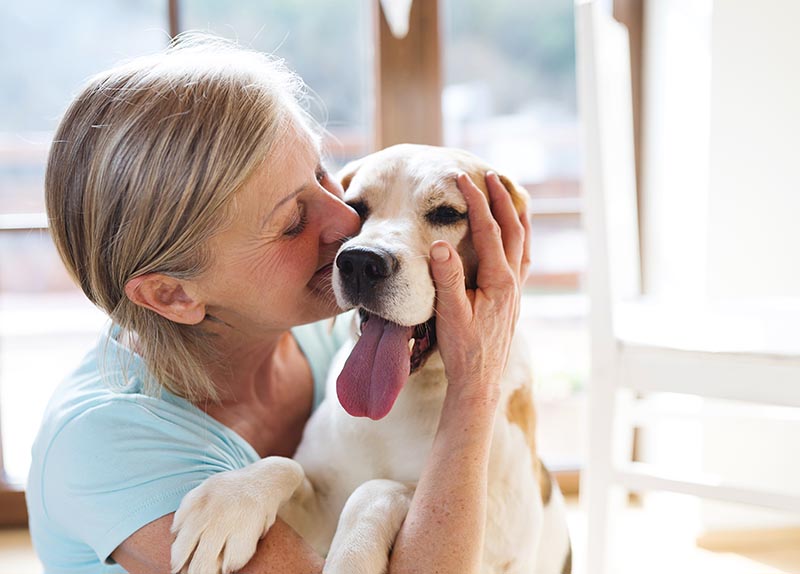
As we age, our needs and lifestyles change – and that includes the type of canine companion that‘s the best fit for us. For seniors, the right dog breed can provide a host of benefits, from encouraging physical activity to providing emotional support and unconditional love. In fact, studies have shown that dog ownership can lead to lower blood pressure, reduced loneliness, and increased social interaction for older adults.
But with so many different dog breeds out there, how do you choose the right one? Here are 30 of the best dog breeds for seniors, based on factors like size, energy level, trainability, and grooming needs. Whether you‘re looking for a tiny lapdog or a gentle giant, there‘s sure to be a perfect match for you on this list.
What Makes a Dog Breed Good for Seniors?
When choosing a dog breed as a senior, there are several key factors to consider:
-
Size: Small to medium sized dogs are usually easier for seniors to handle and control on a leash. They also tend to have lower exercise needs compared to larger breeds.
-
Energy level: Calm, low-key dogs are often the best fit for seniors, as they‘re content with a few short walks a day and plenty of naptime. High energy breeds that need lots of vigorous exercise may be too physically demanding.
-
Trainability: Highly trainable dogs that are eager to please are often a good choice for seniors, especially those with mobility issues who need a dog that will reliably respond to commands. Stubborn or independent breeds may be more challenging.
-
Grooming needs: Seniors with arthritis or limited mobility may prefer a dog with a short, low-maintenance coat that doesn‘t require frequent brushing and trips to the groomer. Long-haired or double-coated breeds tend to be higher maintenance.
-
Health: Generally healthy breeds with long lifespans and a lower risk of chronic health issues are usually the most affordable and lowest maintenance for seniors. Breeds prone to serious health problems can lead to expensive vet bills and a lot of extra care.
Of course, every dog is an individual, and even within a breed there can be a range of personalities. But in general, these 30 breeds tend to have traits that make them well-suited for life with a senior owner.
Top 30 Dog Breeds for Seniors
Here are 30 of the best dog breeds for older adults, based on factors like size, energy level, trainability, and overall temperament:
-
Bichon Frise: These cheerful little fluffballs are the perfect size for seniors at 7-12 pounds. Bichons are affectionate, adaptable, and relatively low-energy, content with a few short walks a day. They‘re also very sociable and great with grandkids.
-
Cavalier King Charles Spaniel: Gentle, graceful, and born to be a companion, the Cavalier is an ideal lapdog. They typically weigh 13-18 pounds and have a sweet, affectionate nature. Cavaliers are also generally healthy and have moderate exercise and grooming needs.
-
Poodle: Poodles come in three sizes (standard, miniature, and toy) to suit different preferences and living situations. They‘re highly intelligent, easy to train, and have a hypoallergenic coat that sheds minimally. Poodles are also very adaptable and affectionate with their humans.
-
Greyhound: Although known for their speed, retired racing Greyhounds are often very calm and lazy indoor companions. They‘re gentle giants at 60-80 pounds, with short easy-care coats and moderate exercise needs. Greyhounds are also very sensitive and form strong bonds with their humans.
-
Maltese: Weighing less than 7 pounds, the Maltese is a tiny, portable companion that‘s content to cuddle in your lap all day. They have a sweet, gentle personality and long silky white coat that may require regular professional grooming to maintain.
-
French Bulldog: The adaptable Frenchie is a great choice for seniors who want a sturdy, low-energy companion. At 20-30 pounds, they‘re small but solid, with minimal exercise needs and a short easy-care coat. Frenchies are also very affectionate and thrive on human companionship.
-
Pembroke Welsh Corgi: The Pembroke Welsh Corgi is a long, low-set herding dog known for its gentle but playful disposition. At 25-30 pounds, they‘re a great medium-sized option for active seniors. Pembrokes are also very trainable and have a short, easy-to-maintain coat.
-
Pug: These compact, wrinkly-faced charmers are the ultimate couch potato companions. Pugs typically weigh 14-18 pounds and have low exercise needs, content with a few short walks a day. They‘re also very affectionate and adaptable to different living situations.
-
Shih Tzu: The Shih Tzu is a small, sturdy companion dog that bonds very closely with its humans. They typically weigh 9-16 pounds and have a long, silky coat that requires regular grooming (many owners opt for a shorter "puppy cut" for easier maintenance). Shih Tzus are also very playful and affectionate.
-
Boston Terrier: Known as the "American Gentleman," the Boston Terrier is a compact, well-mannered companion that typically weighs 10-25 pounds. They have a short, easy-care coat and relatively low exercise needs. Bostons are also very intelligent and affectionate with their humans.
-
Chihuahua: The tiniest of dogs at 4-6 pounds, Chihuahuas are portable and adaptable companions with oversized personalities. They require minimal grooming and exercise, content to follow their human from room to room. Chihuahuas can be reserved with strangers but very devoted to their owners.
-
West Highland White Terrier: The spunky Westie is a small but sturdy companion, typically weighing 13-20 pounds. They have a white double coat that requires regular grooming, but many owners keep them in a shorter cut for easier maintenance. Westies are also very intelligent and trainable.
-
Havanese: The only dog breed native to Cuba, the Havanese is a small, sturdy dog with a springy gait and a cheerful, outgoing personality. Typically weighing 7-13 pounds, they‘re very adaptable companions with moderate exercise needs. Havanese are also very intelligent and eager to please their humans.
-
Miniature Schnauzer: The Mini Schnauzer is a small, sturdy terrier with a big personality. At 11-20 pounds, they‘re very portable but also adventurous and energetic. Mini Schnauzers are also very trainable and have a low-shedding coat that‘s easy to maintain with regular grooming.
-
Lhasa Apso: Originally bred as a companion and watchdog for Tibetan monks, the Lhasa Apso is a small but sturdy breed with an alert, confident disposition. They typically weigh 12-18 pounds and have a long, dense coat that requires regular brushing and grooming.
-
Italian Greyhound: The miniature version of the Greyhound, the Italian Greyhound is a sleek, elegant companion that typically weighs under 15 pounds. They have a short, easy-care coat and relatively low exercise needs, content to curl up next to you on the couch.
-
Brussels Griffon: These bearded little charmers are full of personality in a tiny 7-12 pound package. Brussels Griffons bond very closely with their owners and thrive on human companionship. They have a short, wiry coat that requires minimal grooming.
-
Bolognese: Related to the Bichon Frise, the Bolognese is a small, fluffy companion bred to be the perfect lapdog. At 5-9 pounds, they‘re very portable and have relatively low exercise needs. Bolognese are also very affectionate and eager to please their humans.
-
Chinese Crested: The unique Chinese Crested comes in two coat types – hairless and powderpuff. The hairless variety has hair only on the head, tail, and feet, making for very minimal grooming needs. Chinese Cresteds are also very small at 5-12 pounds and have a lively, playful personality.
-
Coton de Tulear: Known as the "Royal Dog of Madagascar," the Coton de Tulear is a small, fluffy companion with a cheerful, clownish personality. At 8-15 pounds, they‘re very portable and have moderate exercise needs. Cotons are also very sociable and adaptable to different living situations.
-
Löwchen: The Löwchen, or "Little Lion Dog," is a small, fluffy companion breed that typically weighs 10-15 pounds. They have a lively, affectionate personality and a long, dense coat that is often clipped in a "lion" trim. Löwchens are also very trainable and adaptable companions.
-
Pekingese: The ultimate lapdog, the Pekingese is a small, regal companion that bonds very closely with its owners. At 7-14 pounds, they‘re very portable and have low exercise needs. Pekingese can be a bit stubborn but they‘re also very affectionate and adaptable to apartment living.
-
Japanese Chin: The elegant Japanese Chin is a tiny companion with a distinctively Oriental appearance. At 4-9 pounds, they‘re one of the smallest breeds and have very low exercise needs. Japanese Chins are also very affectionate and thrive on human companionship.
-
Shiba Inu: The foxy-faced Shiba Inu is a small but sturdy Japanese breed known for its bold, independent spirit. At 17-23 pounds, they‘re on the larger side of the small breeds but still very manageable for most seniors. Shibas have a short, easy-care coat and moderate exercise needs.
-
Toy Manchester Terrier: The miniature version of the Manchester Terrier, the Toy Manchester is a lively, intelligent companion that typically weighs under 12 pounds. They have a short, sleek coat that‘s very low-maintenance. Toy Manchesters are also very affectionate and bond closely with their owners.
-
Maltipoo: A cross between a Maltese and a Toy or Miniature Poodle, the Maltipoo is a small, low-shedding companion that typically weighs 5-20 pounds. They have a friendly, affectionate personality and are very adaptable to different living situations. Maltipoos also have relatively low exercise needs.
-
Silky Terrier: The Silky Terrier is a small but feisty companion that typically weighs 8-10 pounds. They have a long, silky coat that requires regular brushing and grooming to maintain. Silkys are also very intelligent and trainable, with a lively, adventurous spirit.
-
Tibetan Spaniel: Bred as a companion dog for Buddhist monks, the Tibetan Spaniel is a small, affectionate breed that typically weighs 9-15 pounds. They have a medium-length silky coat that requires regular brushing. Tibetan Spaniels are also very intelligent and responsive to training.
-
Yorkshire Terrier: The feisty Yorkie is a big personality in a tiny 4-7 pound package. They have a long, silky coat that requires regular grooming to maintain (many owners opt for a shorter "puppy cut" for easier care). Yorkies are also very intelligent and bond closely with their owners.
-
Whippet: The sleek, elegant Whippet is essentially a smaller version of the Greyhound, typically weighing 25-40 pounds. They have a short, easy-care coat and relatively low exercise needs, content with a few short walks and lots of naps. Whippets are also very affectionate and thrive on human companionship.
Choosing the Right Dog Breed for Your Lifestyle
As a senior, it‘s important to choose a dog breed that fits your current lifestyle and abilities. Here are some factors to consider:
-
Mobility: If you have limited mobility or use a wheelchair, a small, lightweight dog may be easier to handle than a large breed that pulls on the leash. Breeds with moderate exercise needs are also a good choice.
-
Living situation: If you live in a small apartment or assisted living facility, a calm, adaptable breed that doesn‘t need a lot of space to run and play may be the best fit. Breeds that are prone to barking may not do well in close quarters.
-
Time and energy: Caring for a dog is a big responsibility, so consider how much time and energy you have to devote to your new companion. Breeds with low grooming needs, moderate exercise requirements, and an easygoing personality may be less demanding.
-
Age: While puppies are adorable, they also require a lot of time, energy, and patience to train and socialize. For many seniors, an adult or senior dog may be a better fit, as they‘re often already housetrained and have a more settled personality.
The Benefits of Adopting a Senior Dog
Speaking of senior dogs, adopting an older dog can be a great option for seniors looking for a low-key companion. Here are just a few benefits of adopting a senior dog:
-
Lower energy: Senior dogs are often content with a few short walks a day and plenty of nap time, making them a good fit for seniors with limited mobility or energy.
-
Already trained: Many senior dogs are already housetrained and know basic obedience commands, making for a smoother transition into your home.
-
Settled personality: With senior dogs, what you see is often what you get in terms of personality and temperament. This can make it easier to find a dog that‘s a good fit for your lifestyle.
-
Less destructive: Senior dogs are usually past the chewing and digging phase, making them less likely to damage your belongings or yard.
-
Shorter commitment: While no one likes to think about end-of-life issues, adopting a senior dog can be a good choice for those who want a shorter-term commitment.
According to the ASPCA, senior dogs are often overlooked in shelters and rescues, but they can make wonderful companions for the right person. Many senior dogs end up in shelters due to owner surrender or abandonment, not because of any behavioral issues. By adopting a senior dog, you‘re giving them a second chance at a loving home and gaining a loyal, grateful companion.
Conclusion
For seniors looking for a loyal, loving companion, there are many great dog breeds to choose from. From tiny lapdogs to gentle giants, the key is to find a breed that fits your lifestyle, energy level, and living situation.
By considering factors like size, trainability, exercise needs, and grooming requirements, you can narrow down your choices and find the perfect match. And don‘t overlook the benefits of adopting a senior dog – they can make wonderful, low-key companions for older adults.
No matter which breed you choose, the unconditional love and companionship of a dog can bring joy, purpose, and improved health to your golden years. So why wait? Start your search for your new best friend today!