Rhodesian Ridgeback Dog Breed: Pictures, Info, Origin & More

The Regal Rhodesian Ridgeback: A Comprehensive Guide
Introduction
Rhodesian Ridgebacks are a truly unique and impressive dog breed. Developed in southern Africa to hunt lions and other large game, these powerful dogs are known for their loyalty, intelligence, and signature ridge of hair along their spine. While Ridgebacks can make wonderful companions in the right home, their high exercise needs, strong will, and potential health issues mean they are not the right fit for every owner.
Whether you‘re considering bringing a Ridgeback into your life or simply want to learn more about these fascinating dogs, this in-depth guide will tell you everything you need to know. We‘ll cover the breed‘s origin and history, physical characteristics, temperament, training and exercise requirements, health concerns, and more.
History of the Rhodesian Ridgeback
The Rhodesian Ridgeback‘s story begins in southern Africa, where they were developed in the late 1800s. European settlers in the region, now known as Zimbabwe, bred their dogs with the semi-wild native dogs kept by the Khoikhoi people. These native dogs were known for the distinctive ridge of backward-growing hair along their spines.
Rhodesian big game hunter Cornelius van Rooyen is often credited as a key developer of the modern Ridgeback breed. He incorporated Greyhounds, terriers, and other European breeds into his lion hunting dogs to increase their speed and refine their tracking abilities.
The resulting dogs were known as Van Rooyen‘s Lion Dogs or African Lion Hounds. They became renowned for their courage in the face of dangerous big game like lions, cheetahs, and baboons. The dogs were not expected to directly attack lions, but rather to track, harass, and hold them at bay until the human hunters could arrive.
It wasn‘t until 1922 that a formal breed standard was written for the newly named Rhodesian Ridgeback. This standard was based on that of the Dalmatian and sought to maintain the ridge while refining the breed‘s overall appearance and conformation. The Rhodesian Ridgeback Club of Zimbabwe was founded in 1945 to promote and protect the breed.
In the mid-20th century, Rhodesian Ridgebacks began to spread beyond Africa. They were first brought to England in the 1930s and to the United States in the 1950s. While still a relatively rare breed compared to more popular dogs like Labrador Retrievers, Ridgebacks have gained a devoted following around the world.
Physical Characteristics
The Rhodesian Ridgeback is a large, muscular dog with a short wheaten-colored coat. According to the American Kennel Club breed standard, males stand 25-27 inches tall at the shoulder and weigh around 85 pounds. Females are slightly smaller at 24-26 inches tall and about 70 pounds.
The breed‘s most distinctive feature is the ridge of hair running down their spine in the opposite direction of their coat. This ridge is formed by whorls of hair and is usually around 2 inches wide at its widest point. It begins behind the shoulders and tapers to a point at the hip area. This unique trait is the result of a rare dominant gene mutation.
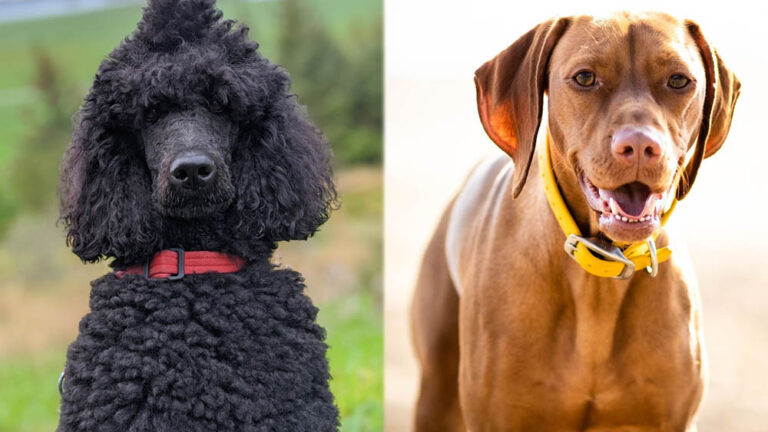
Ridgebacks have a strong, tapered tail and a large, broad head with round, expressive eyes. Their ears are relatively small and held close to the head. They have a deep chest and straight, strong legs. Their short, sleek coat ranges in color from light wheaten to red wheaten and may have small white markings on the chest and toes.
Temperament and Personality
The Rhodesian Ridgeback is known for being loyal, affectionate, and protective of their humans. They tend to be reserved with strangers but rarely show unwarranted aggression. Ridgebacks are intelligent and independent thinkers, which can make them strong-willed and stubborn at times.
As working dogs, Ridgebacks have a lot of physical and mental energy that needs to be expended each day. They are athletic dogs that love having a job to do, whether it‘s accompanying you on a long jog, playing fetch, or participating in dog sports like agility and lure coursing. Without adequate exercise and stimulation, Ridgebacks can become bored and destructive.
With their high prey drive, Ridgebacks have a tendency to chase after small animals like cats, rabbits, and even smaller dogs. They are not reliable off-leash, as they may take off running after an animal and ignore commands to come back. Socialization from an early age can help them learn to coexist with other pets, but their chasing instincts cannot be fully suppressed.
The Rhodesian Ridgeback‘s strong, independent nature means they are not the ideal dog for a first-time or timid owner. They do best with an experienced, confident owner who can dedicate a lot of time and energy to their training and daily exercise. They can be protective of their home and family, so socialization and training are a must to prevent any aggressive tendencies from developing.
While gentle and affectionate with their humans, Rhodesian Ridgebacks are often too rambunctious for homes with young children. Their strength and high energy can lead to accidentally knocking little ones over. Older children who know how to respectfully interact with dogs may do well with a Ridgeback, but supervision is still recommended.
The Rhodesian Ridgeback is not a dog that will content to be left home alone for hours on end. Their social, active nature means they crave companionship and time with their humans. If you work long hours or travel frequently, this may not be the right breed for you. Ridgebacks do best in homes where someone is around for much of the day to provide attention and stimulation.
Training and Exercise Needs
Rhodesian Ridgebacks require firm, consistent training from a young age to become well-mannered companions. They are intelligent and capable of learning a wide variety of commands, but their independent streak means they are not always eager to please. Positive reinforcement methods work best, as Ridgebacks will shut down in the face of harsh corrections or punishment.
Socialization is also critical for this breed, especially if they will be living with other pets or in a busy urban area. Exposing them to new people, animals, sights, sounds, and situations from an early age can help prevent fearfulness and aggression later in life. Puppy kindergarten and obedience classes are great ways to get your Ridgeback used to being around other dogs and people in a controlled setting.
Given their history as hunting dogs, it‘s no surprise that Rhodesian Ridgebacks have high exercise needs. They require at least an hour of vigorous exercise each day, plus plenty of playtime and mental stimulation. Jogging, hiking, biking, swimming, and playing fetch are all great ways to burn off a Ridgeback‘s excess energy.
If you live in an apartment or do not have a securely fenced yard, you‘ll need to be extra diligent about providing your Ridgeback with enough exercise. Daily walks are a must, but they‘ll likely need more than that to stay happy and healthy. Doggy daycare or hiring a dog walker for midday play sessions can help supplement your Ridgeback‘s activity needs.
In addition to physical exercise, Rhodesian Ridgebacks need plenty of mental stimulation to prevent boredom and destructive behaviors. Food puzzles, nose work games, and obedience training can all help keep their minds active and engaged. Many Ridgebacks also enjoy participating in dog sports like agility, tracking, and lure coursing.
Grooming and Diet
The Rhodesian Ridgeback‘s short, dense coat is relatively low maintenance when it comes to grooming. Weekly brushing with a rubber curry brush or hound glove can help remove loose hair and keep the coat shiny and healthy. Ridgebacks typically only need occasional baths, unless they‘ve gotten into something messy.
Other grooming needs include regular nail trims, ear cleaning, and dental care. Brushing your Ridgeback‘s teeth daily is ideal, but even a few times a week can help prevent tartar buildup and gum disease. If your Ridgeback‘s nails are not naturally worn down by activity, you‘ll need to trim them every few weeks to prevent overgrowth.
When it comes to diet, Rhodesian Ridgebacks do best on a high-quality, protein-rich dog food. Look for a formula that lists meat as the first ingredient and does not contain any fillers or artificial additives. Puppies may need a food specially formulated for large breed growth to ensure proper development.
As with all dogs, it‘s important to monitor your Ridgeback‘s weight and adjust their food intake as needed to maintain a healthy body condition. Overweight dogs are at higher risk for a variety of health problems, so don‘t be tempted to overfeed your Ridgeback just because they beg for more.
Health Concerns
While generally a healthy breed, Rhodesian Ridgebacks are prone to certain genetic health conditions. Hip dysplasia, a malformation of the hip joint that can lead to arthritis, is one of the most common issues seen in the breed. Responsible breeders will have their dogs‘ hips evaluated by x-ray before breeding to help reduce the incidence of this problem.
Elbow dysplasia, another joint malformation, can also affect Rhodesian Ridgebacks. Other orthopedic concerns include patellar luxation (dislocated kneecaps) and degenerative myelopathy, a progressive spinal cord disorder.
Dermoid sinus is a congenital skin defect seen in some Ridgebacks. This abnormal connection between the skin and spinal cord can lead to infections and neurological problems if left untreated. Puppies should be checked for dermoid sinus at birth, as early surgical correction is often necessary.
Hypothyroidism, or an underactive thyroid gland, is another condition that can affect Rhodesian Ridgebacks. Symptoms include weight gain, hair loss, and lethargy. Regular thyroid function testing can help catch this issue early on.
Like all deep-chested dogs, Rhodesian Ridgebacks are also at risk for bloat, a life-threatening condition in which the stomach fills with gas and twists on itself. Symptoms come on suddenly and can include restlessness, drooling, unproductive vomiting, and a distended abdomen. Immediate veterinary care is required to save the dog‘s life.
To help ensure your Rhodesian Ridgeback stays healthy, work with a reputable breeder who performs health screenings on their breeding stock. Keep up with regular veterinary check-ups, and don‘t hesitate to contact your vet if you notice any unusual symptoms in your dog. Feeding smaller meals throughout the day and avoiding exercise immediately after eating can help reduce the risk of bloat.
Finding a Rhodesian Ridgeback
If you‘ve done your research and decided that a Rhodesian Ridgeback is the right dog for you, it‘s time to start looking for a reputable breeder or rescue organization. The Rhodesian Ridgeback Club of the United States maintains a list of member breeders who abide by the club‘s code of ethics, which includes health testing and a commitment to responsible breeding practices.
When looking for a breeder, ask questions about their dogs‘ health clearances, temperament, and living conditions. Responsible breeders will be happy to answer your questions and provide references from other puppy buyers. Be wary of breeders who always have puppies available, do not allow you to visit their facility, or cannot provide health clearances for their breeding dogs.
If you would prefer to adopt an adult Rhodesian Ridgeback, there are several rescue organizations across the country that specialize in the breed. Many of these dogs end up in rescue because their original owners were not prepared for their high energy levels and exercise needs. Working with a reputable rescue group can help ensure you find a Ridgeback that is a good fit for your lifestyle.
No matter where you get your Rhodesian Ridgeback, be prepared to provide them with plenty of exercise, training, and companionship. These loyal, intelligent dogs can make wonderful additions to active households, but they are not the right breed for everyone. With proper care and attention, your Ridgeback will be a devoted friend for many years to come.
Conclusion
The Rhodesian Ridgeback is a unique and impressive breed with a fascinating history. Developed in Africa to hunt lions and other big game, these strong, athletic dogs are known for their courage, loyalty, and signature ridge of hair along their spine. While they can make excellent companions for experienced, active owners, Ridgebacks are not the right fit for every household.
If you‘re considering adding a Rhodesian Ridgeback to your family, do your research to ensure you can provide them with the exercise, training, and companionship they need to thrive. These independent, intelligent dogs require firm, consistent training and plenty of socialization to become well-mannered members of the family. They also need a lot of daily exercise and mental stimulation to stay happy and healthy.
While generally a robust breed, Rhodesian Ridgebacks are prone to certain health concerns like hip dysplasia, dermoid sinus, and bloat. Working with a reputable breeder who performs health screenings can help reduce the risk of these issues. Regular veterinary care and a healthy diet are also essential for keeping your Ridgeback in top shape.
For active individuals or families who are willing to put in the time and effort, a Rhodesian Ridgeback can be a loyal, loving, and devoted companion. These impressive dogs have a lot to offer the right home, and their unique history and appearance make them a favorite among enthusiasts around the world. If you think a Ridgeback might be the perfect dog for you, do your homework and reach out to breeders or rescue organizations to learn more about this special breed.