Everything You Need to Know About the Adorable Panda Pug
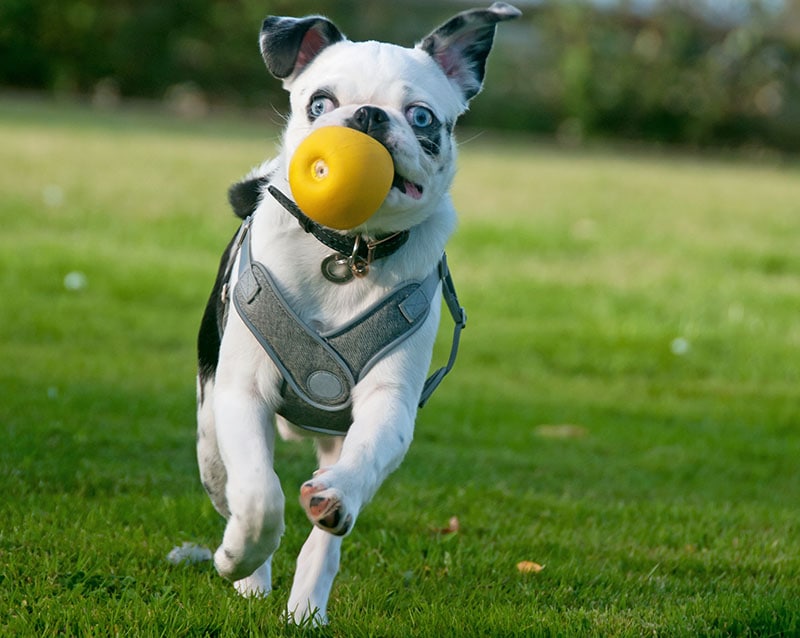
With their distinct black and white markings reminiscent of a panda bear, panda pugs have become a sought-after variety of the immensely popular pug breed in recent years. While not technically a separate breed from standard fawn or black pugs, the unique coloration of panda pugs sets them apart. As a veterinarian and pug enthusiast myself, I find them absolutely charming and can understand their appeal. If you‘re curious to learn more about these special pugs, here is a comprehensive guide to the history, traits, care, and more of the panda pug.
The Origins of Panda Pugs
Compared to the centuries-long history of the pug breed which dates back to ancient China, the panda pug is a much more recent development. Most accounts suggest that the first panda pugs appeared in the 1970s as a result of crossing pugs with other small breeds that carried the piebald gene responsible for white spotting.
The two breeds most commonly proposed to have been used in developing panda pugs are the pekingese and Japanese chin. Both of these Asian toy breeds can have parti-colored coats with significant amounts of white fur. The physical features of panda pugs also hint at the influence of these breeds. Many have slightly longer, silkier coats than the average pug as well as somewhat more pronounced muzzles.
However, the exact origins of panda pugs are not definitively documented and other small breeds may also have played a role in their creation. Some have proposed the tibetan spaniel and even the chihuahua as potential contributors to the panda pug‘s lineage. Ultimately, as a type of mixed-breed dog without a standardized history, the breeds combined to create each individual panda pug may vary.
Regardless of the specifics of how they came to be, panda pugs gained more attention in the 1990s and 2000s. Breeders, especially in China, began intentionally breeding pugs with other dogs to produce puppies with the signature black and white pattern. Social media has further fueled their popularity in the last decade with many panda pug accounts on Instagram and Facebook boasting thousands of followers.
Characteristics of the Panda Pug
Panda pugs share most of their physical traits with standard pugs, with the key difference being their coloration. To be considered a "true" panda pug, they must have a coat that is at least 50% white with black markings ideally distributed in a panda-like pattern.
Most panda pugs have a black "mask" marking around their eyes, black ears, and a black saddle-shaped marking along their back. Their undersides, legs, and parts of their face are typically white. Some have more symmetrical markings than others. Rarely, a panda pug may even have one blue eye and one brown eye, an eyecatching trait seen more often in this variety than other pugs.
In terms of size, panda pugs fall into the same range as standard pugs at 10-14 inches tall and 14-18 pounds when fully grown. They have the same compact, cobby body type with a barrel-shaped chest and a curly tail. Their head shape features the distinct shortened muzzle with a flat face and pronounced forehead wrinkles that make pugs so endearing and instantly recognizable.
As mentioned, panda pugs may have a slightly longer, softer coat than regular pugs due to the influence of the breeds used to introduce their color pattern. However, they are still a short-coated, low-shedding breed overall that is considered hypoallergenic. Regular brushing helps keep their coat sleek and healthy.
Panda Pug Temperament and Personality
The winsome panda pug appearance is matched by an equally charming personality. Like their pug relatives, panda pugs are playful, affectionate, and loyal little lapdogs that adore human companionship. They bond closely with their owners and make wonderful pets for singles, couples, seniors, and families with gentle children.
As a toy breed, panda pugs are lively and energetic but don‘t require extensive exercise. A couple short walks and some indoor playtime each day is typically sufficient to keep them happy and healthy. They are well-suited for apartment living and being a couch potato with their humans.
Panda pugs can sometimes have a stubborn streak but are generally agreeable and easy to train with positive reinforcement. Socialization from a young age is important to prevent a panda pug from becoming timid or anxious around new people and situations. With proper introductions, they usually get along well with other dogs and can even befriend cats.
These designer dogs do tend to be a little "needy" in terms of constantly wanting to be around their owners. They may be prone to separation anxiety if frequently left alone for long periods. A panda pug will be happiest in a household where someone is home more often than not to shower them with the attention they crave.
Health and Lifespan of Panda Pugs
As a brachycephalic (flat-faced) breed, panda pugs can experience some health issues related to their unique anatomy. The compressed airway of these dogs means they are prone to breathing problems, especially in hot weather or with vigorous exercise. Keeping a panda pug at a healthy weight, limiting intense activity, and using a harness instead of a collar on walks can help minimize respiratory difficulties.
The protruding eyes of panda pugs also make them more susceptible to eye injuries and conditions like corneal ulcers, dry eye, and proptosis (eye dislocation). Owners should take care to prevent these dogs from roughhousing too intensely and keep eye drops on hand to soothe any irritation. Regular vet visits are a must to monitor eye health.
Other health problems seen more often in the pug breed that may affect panda pugs include allergies, skin fold infections, luxating patellas, dental issues, and intervertebral disc disease (IVDD). As a mixed breed, panda pugs may have a slightly lower incidence of certain genetic disorders compared to purebred pugs. However, they can also inherit health issues from the other breeds in their ancestry.
With proper care and a bit of luck, the average lifespan for a panda pug is around 12-15 years. This is similar to the lifespan of standard pugs. Keeping them at an appropriate weight, providing regular check-ups and preventive care, and monitoring for any developing health issues will give a panda pug the best chance at a long, comfortable life.
Grooming a Panda Pug
The grooming needs of a panda pug are fairly minimal, making them a good choice for owners who prefer a lower-maintenance pet. While they do shed, it is less than many other breeds and regular brushing will help control loose fur around the house. An occasional bath will keep their coat clean and fresh.
One grooming task that is essential for panda pugs is regular cleaning of their facial wrinkles. The deep skin folds on a pug‘s face can trap moisture, dirt, and debris, leading to irritation and infection if not attended to. Owners should check and wipe out a panda pug‘s wrinkles daily with a soft, damp cloth and dry them thoroughly. Applying a light dusting of corn starch can help keep the area dry.
Dental care is also very important for these dogs. Pugs are prone to dental problems due to their crowded, compressed mouths and the same is true for panda pugs. Daily tooth brushing with a dog-safe enzymatic toothpaste and offering dental chews can go a long way in preventing painful tooth and gum issues.
Other routine maintenance for a panda pug includes regular nail trims, ear cleaning, and anal gland expression as needed. Starting these habits early will help a puppy become comfortable with the different aspects of grooming.
Feeding a Panda Pug
Panda pugs have similar dietary requirements to pugs and other small breed dogs. They should be fed a high-quality, nutritionally balanced dog food in an amount appropriate for their age, size, and activity level. Because they are prone to obesity, owners must be cautious not to overfeed a panda pug, especially with treats and table scraps.
Two meals per day of around ½-1 cup of kibble total is a typical daily amount for an adult panda pug. Puppies need to eat a bit more frequently, usually 3-4 small meals until they are about six months old. Consulting with a veterinarian is the best way to determine the proper type and quantity of food for an individual dog.
As a brachycephalic breed, panda pugs can benefit from eating from a slow feeder bowl or puzzle feeder to prevent them from gulping their food too quickly and increasing their risk of choking or bloat. Plenty of fresh water should always be available, but monitor a panda pug‘s drinking habits. Excessive thirst can sometimes be a sign of an underlying health problem.
How Much Do Panda Pugs Cost?
Those adorable panda pug looks come with a pretty high price tag. From a breeder, panda pug puppies can cost anywhere from $1,500 to over $4,000 depending on the specific markings and the breeder‘s reputation. This is significantly more than a standard pug puppy which usually has an average price of $600-$1,500.
It‘s important to research breeders thoroughly before buying a panda pug to ensure they are ethical and responsible. Unscrupulous breeders may charge high prices for poorly-bred panda pug puppies without regard for health and temperament. Ask to see health clearances for the parents, meet the puppy and its littermates in person, and be wary of anyone offering to ship a puppy sight unseen.
Adopting a panda pug from a rescue organization is a lower-cost option to consider. While they are rarer than standard pugs in shelters and rescues, they do sometimes become available. Adopted adult panda pugs typically cost a few hundred dollars which includes vetting, microchipping, and spay/neuter surgery.
Panda Pugs as Pets
For the right owner, a panda pug can be a wonderful companion animal. They are best suited for people who want a small, affectionate lapdog to share a lot of quality time with. Owners should be willing to dote on their needy panda pug and not leave them alone frequently.
Homes with young children may want to consider an older panda pug instead of a small puppy that could easily be injured by accident. The breed can also be a good fit for seniors who want a dog that is fairly low-key and doesn‘t need long walks or a large yard.
While panda pugs shed minimally, they are not a great fit for people with dog allergies due to the dander they produce. No dog is truly hypoallergenic and those with severe allergies will likely still react to a panda pug. Spend time around the breed before committing to make sure they are compatible.
Apartment dwellers, retirees, work-from-home professionals, and homebody families with older children are some of the ideal households for a panda pug. They can adapt well to many different lifestyles as long as they get the attention and care they need to thrive.
Given the various health issues pugs can face, owners should also be financially prepared for the veterinary costs a panda pug may incur. Enrolling in a pet insurance plan from a young age can help offset some medical expenses later in life.
Frequently Asked Questions About Panda Pugs
Are panda pugs hypoallergenic?
While they shed minimally, panda pugs are not truly hypoallergenic. They produce dander and saliva that can still trigger allergies in some individuals.
How long do panda pugs live?
The average lifespan for a panda pug is around 12-15 years, similar to that of standard pugs. With proper care, some may live even longer.
Are panda pugs good with kids?
Panda pugs are affectionate and playful dogs that can do well with gentle, older children. A panda pug may not be the best fit for a household with very young kids as they could accidentally injure the small dog during rough play.
How much exercise do panda pugs need?
As a toy breed, panda pugs don‘t need a lot of exercise. Daily walks of 20-30 minutes plus some indoor playtime is usually enough to keep them fit. They should not be over-exercised, especially in hot weather, due to their flat faces.
Can panda pugs be left alone while I‘m at work?
Panda pugs prefer companionship and may develop separation anxiety if left alone too often. They are happiest when someone is home for most of the day. If a panda pug must be left alone for extended periods, enrolling them in doggy daycare or hiring a pet sitter to check on them can help.
Final Thoughts
With their unique panda-inspired markings and endearingly needy personalities, it‘s easy to see why panda pugs have captured the hearts of dog lovers in recent years. These small dogs can make delightful companions for the right homes.
While a relatively new variety, panda pugs share most characteristics with standard pugs but may have some additional traits from the breeds used to create their distinct coloration. A high-quality diet, moderate exercise, meticulous grooming, and regular vet care will set a panda pug up for a long, healthy life.
If you‘re looking for a pint-sized, cuddly lapdog and can provide the attention and affection a panda pug craves, this eye-catching little dog may just be the perfect addition to your family. Let me know in the comments if you have any experience with panda pugs or are considering adding one to your life! I‘d love to hear your thoughts on this captivating canine.