
Are Goldendoodles Hypoallergenic? A Dog Lover‘s Guide
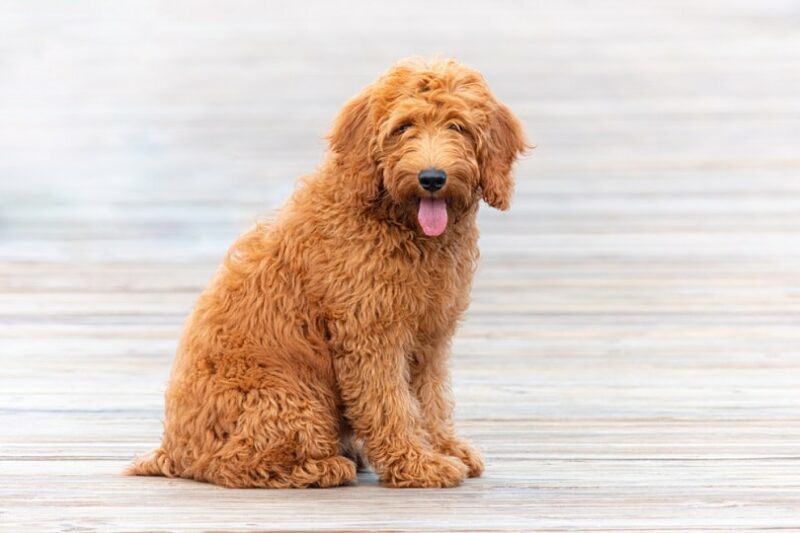
As a lifelong dog lover, I know the struggle of wanting to share your life with a canine companion while battling allergies. According to the Asthma and Allergy Foundation of America, as many as three in 10 people with allergies have allergic reactions to cats and dogs. Dog allergies are caused by a specific protein found in the animal‘s skin cells, saliva, and urine. While no dog is ever 100% hypoallergenic, certain breeds like poodles are often recommended for allergy sufferers due to their low-shedding coats.
But what about the trendy goldendoodle? This golden retriever-poodle hybrid has skyrocketed in popularity, partly due to claims about their hypoallergenic coats. As a veterinarian, I want to dive deeper into the science behind goldendoodle allergies to help you make an informed choice for your health and lifestyle.
The Genetic Lottery of Goldendoodle Coats
Goldendoodles are a cross between two distinct breeds: the heavy shedding golden retriever and the low-shedding poodle. This means each individual goldendoodle puppy is a unique combination of traits from both parent breeds. When it comes to shedding and allergies, the type of coat a goldendoodle inherits is key.
Poodles have a single layer coat of continuously growing hair that sheds very minimally. Golden retrievers have a dense double coat that sheds heavily. Goldendoodle coats can range anywhere between the two. In general, the curlier the goldendoodle‘s coat, the more hypoallergenic they will be, as curly coats trap hair and dander more effectively than straight coats.
However, even low-shedding curly coats are not a silver bullet against allergies. The allergens are still present on the hair and skin; they‘re just released into the environment more slowly than with a heavy shedding dog. No goldendoodle is ever zero-allergenic.
Coat Type Percentages in Goldendoodles
So what are the odds of getting a low-shedding, hypoallergenic friendly goldendoodle? Let‘s look at coat type statistics in a study of 671 goldendoodles by the Universities Federation for Animal Welfare:
| Coat Type | Percentage |
|---|---|
| Curly/Wavy | 58% |
| Straight | 42% |
As you can see, it‘s almost a toss up whether a goldendoodle will have a curlier hypoallergenic-friendly coat or a straighter shedding coat. F1 (first generation) goldendoodles with one golden retriever parent and one poodle parent are the most unpredictable. In a litter of F1 puppies, coat types can vary widely between straight, wavy, and curly.
Consistency improves in later generations bred from two curly-coated goldendoodle parents, but there are still no guarantees. Even two curly-coated parents can produce the occasional straight-coated puppy. Ultimately, goldendoodle coats are always a bit of a genetic gamble.
Comparing Goldendoodle Shedding to Other Breeds
On average, how much fur and dander does a goldendoodle actually shed compared to golden retrievers, poodles, and other dogs dubbed "hypoallergenic"? While exact measurements vary between individual dogs, here is the typical shedding amount you can expect from a few common breeds:
| Breed | Shedding Amount |
|---|---|
| Poodle | Very minimal (1-3g) |
| Bichon Frise | Very minimal (1-3g) |
| Goldendoodle | Light to Moderate (3-8g depending on coat type) |
| Golden Retriever | Heavy (9+ g) |
As you can see, goldendoodles typically fall in the light to moderate shedding range, heavier than poodles and bichons but potentially much lighter than their golden retriever ancestors. For someone with dog allergies, a curly goldendoodle will be easier to tolerate than a straight-coated one, and both are likely better than a purebred golden.
Real Life with Goldendoodles and Allergies
But what do these numbers look like in real life? Here‘s the experience of Karen, a lifelong allergy sufferer and goldendoodle owner:
"I‘m allergic to almost everything – pollen, dust, you name it. I always wanted a dog but thought it would never be possible. When I heard about goldendoodles being hypoallergenic, I was hopeful but skeptical. I met several different goldendoodles and had less of a reaction to the curly-coated ones, so I decided to look for one to adopt.
I found a wonderful breeder working hard to develop healthier, more consistently low-shedding lines. After much discussion and meeting the parent dogs, I brought home my pup Leo. He has the curliest coat of all his siblings.
Is he 100% hypoallergenic? No. If I bury my face in his fur, I‘ll still get itchy. But can I share my home with him and experience only minimal allergy symptoms? Absolutely. Regular brushing, bathing, a healthy diet, and care with exposure make a huge difference.
I still take daily allergy meds and use HEPA air filters. It‘s not a totally effortless existence. But the love and companionship of my dog is so worth the bit of extra effort to manage my symptoms. I‘m so grateful to have Leo in my life."
Karen‘s experience showcases both the joys and realities of combining dog allergies with goldendoodle ownership. In fact, lifestyle plays a huge role alongside your choice of breed. Keeping a clean house, managing exposure, and staying on top of grooming is essential for any allergy sufferer wanting to adopt a dog.
Supporting Science-Based Goldendoodle Breeding
If you‘re committed to getting a goldendoodle, I believe it‘s important to support breeders working to improve the consistency of coat types and general health of the breed. Look for breeders doing genetic and health testing, breeding for temperament and coat type over many generations, and offering strong health guarantees.
Science-based breeding practices and careful pedigree tracking can produce goldendoodles with more predictable coats and reduce the risk of inherited health issues like hip dysplasia. Avoid breeders making blanket guarantees about shedding and allergies, as this is not possible to promise in a hybrid breed. Instead, look for breeders transparent about the coat variability in their lines.
The Verdict
So are goldendoodles hypoallergenic? In my professional opinion, they can be a good choice for some dog allergy sufferers, but they are not a miracle solution. The degree of coat shedding and amount of allergens varies significantly between individual goldendoodles. Even a curly coated, carefully bred goldendoodle may still trigger allergies in very sensitive people.
If you‘re considering adding a goldendoodle to your family, spend time with the specific dog you‘re interested in to gauge your unique allergic reaction before fully committing. Be prepared for regular grooming and careful management of your home environment to keep allergens at bay. Have a back-up plan in place should allergies become unmanageable.
Ultimately, only you can decide if the rewards of goldendoodle ownership are worth the extra effort of allergy management. If you do choose to take the leap, supporting responsible breeders and educating yourself fully on this complex topic are essential. While the world of dogs and allergies can be tricky to navigate, I firmly believe that with enough research, preparation and love, almost every dog lover can find their perfect hypoallergenic match.


