The Belgian Mastiff: Gentle Guardian and Devoted Companion
As a lifelong dog lover and breed enthusiast, I‘ve always been drawn to large, powerful dogs with rich histories and noble bearings. Few breeds embody these qualities quite like the Belgian Mastiff, a magnificent molosser that has captured the hearts of many with their gentle nature, unwavering loyalty, and impressive size. If you‘re considering welcoming one of these gentle giants into your life, read on to discover everything you need to know about the incomparable Belgian Mastiff.
A Breed Steeped in History
The Belgian Mastiff, also known as the Chien de Trait Belge or Belgian Heavy Draft Dog, is a breed with ancient roots tracing back to the molossers of the Roman Empire. These powerful dogs were used in warfare and as guardians, prized for their strength, courage, and intimidating presence.
Fast forward to 19th century Belgium, where the modern Belgian Mastiff was developed by crossing English Mastiffs, Saint Bernards, and potentially other large breeds like the Great Dane and Neapolitan Mastiff. The result was a versatile working dog well-suited to roles such as guarding, drafting, and police work.
Despite their long history, the Belgian Mastiff remains a rare breed today. They were nearly extinct after World War II, but dedicated breeders have worked hard to preserve and promote these magnificent dogs. While still relatively uncommon, the Belgian Mastiff is gaining popularity among those seeking a large, protective, yet gentle companion.
Physical Prowess and Presence
One of the first things you‘ll notice about the Belgian Mastiff is their sheer size. This is a breed that commands attention wherever they go. According to the breed standard, adult males typically stand 27-31 inches tall at the shoulder and weigh an impressive 120-170 pounds. Females are slightly smaller but still substantial at 24-29 inches and 100-140 pounds.
| Belgian Mastiff Size | Male | Female |
|---|---|---|
| Height | 27-31 inches | 24-29 inches |
| Weight | 120-170 lbs | 100-140 lbs |
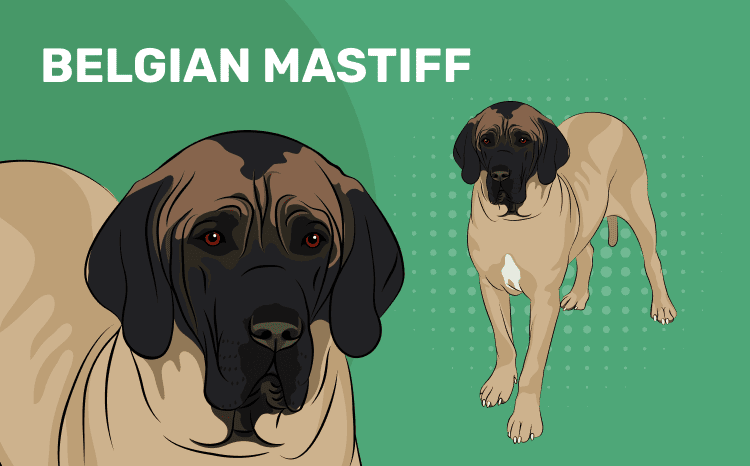
But the Belgian Mastiff is more than just a big dog. They have a powerful, muscular build that exudes strength and athleticism. Their large, square head features a short muzzle, small drop ears, and an intelligent, expressive face. The breed‘s short, dense coat comes in shades of fawn and brindle, sometimes with a black mask.
Despite their imposing size, the Belgian Mastiff has a kind, gentle expression that reflects their true nature. As breed expert Sarah Johnson notes, "The Belgian Mastiff may look intimidating, but they have a heart of gold. Their eyes convey a depth of emotion and understanding that is truly special."
The Gentle Soul of a Guardian
The Belgian Mastiff‘s most notable trait is their temperament. This is a breed known for their calm, patient, and affectionate nature. They are deeply devoted to their families and have a strong desire to please. Belgian Mastiffs are especially gentle and tolerant with children, making them excellent family dogs.
As one Belgian Mastiff owner shares, "My dog Gus is the sweetest, most patient dog I‘ve ever known. He adores my kids and lets them climb all over him. But he‘s also fiercely protective and always watches over us."
Indeed, the Belgian Mastiff has a powerful guardian instinct. They are naturally suspicious of strangers and will act to defend their loved ones if they perceive a threat. However, they are not typically aggressive without provocation. Their protective nature combined with their imposing size makes them exceptional deterrents.
While loving and affectionate with their families, Belgian Mastiffs can be independent thinkers. They require firm, consistent training and ample socialization from a young age to ensure they grow into well-mannered, confident dogs. Positive reinforcement is key, as harsh corrections can damage their trust and willingness to please.
Caring for a Colossal Companion
Owning a dog as large and powerful as the Belgian Mastiff comes with significant responsibilities. First and foremost, these dogs require ample space to move and exercise. A securely fenced yard is a must, as is daily physical activity in the form of long walks, jogs, hiking, or swimming. Belgian Mastiffs have moderate exercise needs, but it‘s important not to overdo it, especially when they are young and still growing.
Diet is another critical factor in caring for a Belgian Mastiff. These large dogs have substantial appetites and can be prone to obesity if overfed or under-exercised. It‘s crucial to provide a high-quality, large breed specific food to ensure they get proper nutrients without excess calories. Dividing meals into two or three smaller portions per day can also help prevent bloat, a serious condition that affects many deep-chested breeds.
Grooming a Belgian Mastiff is relatively straightforward thanks to their short, dense coat. Weekly brushing and occasional baths will keep their skin and coat healthy. However, they do shed moderately, so regular vacuuming is a must. Like all dogs, they also need their nails trimmed, ears cleaned, and teeth brushed regularly.
As a large breed, Belgian Mastiffs can be prone to certain health issues. These include hip and elbow dysplasia, eye problems like progressive retinal atrophy, hypothyroidism, and bloat. Responsible breeders screen their breeding stock to minimize these risks, but all potential owners should be aware of these potential health concerns.
While no dog is truly hypoallergenic, the Belgian Mastiff‘s short coat and moderate shedding make them a better choice for some allergy sufferers compared to heavy shedding breeds. However, individual reactions can vary, so it‘s always best to spend time with a dog before committing if allergies are a concern.
Finding Your Belgian Mastiff Soulmate
If you‘ve decided that the Belgian Mastiff is the breed for you, the next step is finding a reputable breeder. Due to their rarity, this can take some time and effort. Start by searching for Belgian Mastiff breeders online and through breed-specific organizations. Be prepared to go on a waiting list, as most responsible breeders only produce a few litters per year.
When evaluating potential breeders, look for those who prioritize health, temperament, and adherence to breed standards. A good breeder will welcome questions, provide documentation of health clearances, and allow you to meet their dogs in person. They should also be willing to provide ongoing support and guidance as you raise your Belgian Mastiff puppy.
Alternatively, you may be able to find an adult Belgian Mastiff in need of rehoming through breed-specific rescues or shelters. While rare, these dogs do sometimes end up in rescue situations due to owner illness, relocation, or changes in family circumstances. Adopting an adult dog can be a wonderful way to provide a loving home to a dog in need while skipping the challenges of puppyhood.
Living with a Legendary Dog
Sharing your life with a Belgian Mastiff is an extraordinary experience. These dogs have a way of winning hearts with their calm, loving presence and goofy, playful moments. They are constant companions, always ready to join in on family activities or provide a comforting paw in times of stress.
As one long-time Belgian Mastiff owner puts it, "Living with a Belgian Mastiff is like having a big, furry soulmate. They seem to sense your feelings and know just what you need, whether it‘s a snuggle on the couch or a nudge to go for a walk. They are a constant source of love, laughter, and comfort."
Of course, owning a giant breed like the Belgian Mastiff also comes with unique challenges. These dogs require significant space, both physical and mental. They can unintentionally knock over small children or delicate objects with their wagging tail or exuberant greetings. And their powerful jaws and protective nature mean they must always be under the control of a responsible adult.
But for those prepared to meet the breed‘s needs, the rewards of Belgian Mastiff ownership are immeasurable. These dogs will be your fiercest protector, your gentlest friend, and your most loyal companion. They will fill your home with love, laughter, and the kind of unconditional devotion that can only come from a dog.
A Breed on the Rise
While still rare, the Belgian Mastiff is gradually gaining recognition and popularity as more people discover their unique charms. According to AKC registration statistics, the breed has climbed steadily in rank over the past decade, from 191st in 2010 to 136th in 2020.
As breed enthusiast Mark Donnelly notes, "The Belgian Mastiff is really a hidden gem in the dog world. They have all the best qualities of a mastiff-type breed – loyalty, courage, and a calm, gentle nature – but with a more compact size and a bit more athleticism. I think as more people learn about them, they‘re going to gain a lot of fans."
Indeed, the Belgian Mastiff‘s combination of power, protection, and family-friendly personality is winning over dog lovers across the country. For those seeking a large breed that is both gentle and brave, affectionate and independent, the Belgian Mastiff fits the bill perfectly.
Preparing for Your Belgian Mastiff Journey
If you‘ve decided that the Belgian Mastiff is the breed for you, there are a few key things to consider as you prepare to welcome your new dog home:
-
Space: Make sure you have ample room for a large dog to move and relax comfortably, both indoors and out. A securely fenced yard is essential.
-
Time: Belgian Mastiffs require daily interaction and exercise. Consider your work schedule and lifestyle to ensure you can provide the time and attention your dog needs.
-
Training: Enroll in puppy socialization and obedience classes right away and commit to ongoing training throughout your dog‘s life. Consistency is key with this intelligent but sometimes stubborn breed.
-
Veterinary Care: Establish a relationship with a veterinarian experienced in large breed care. Keep up with preventive care such as vaccinations, parasite control, and screenings for genetic health issues.
-
Lifestyle Fit: Be honest about whether a giant breed fits your current living situation and future plans. Belgian Mastiffs are not well-suited to apartment living or frequent travel.
-
Financial Readiness: Giant breeds come with giant expenses. Be prepared for higher food, medical, and grooming costs compared to smaller dogs. Consider pet insurance to help mitigate unexpected veterinary bills.
-
Breeder Research: Take your time finding a responsible, ethical breeder who prioritizes health, temperament, and adherence to breed standards. Avoid puppy mills or breeders who seem more interested in profit than the welfare of their dogs.
By considering these factors and preparing accordingly, you‘ll be well on your way to providing a loving, forever home for your Belgian Mastiff companion.
Final Thoughts
The Belgian Mastiff is a truly special breed that captures hearts with their gentle strength, unwavering loyalty, and larger-than-life presence. For those seeking a powerful yet affectionate companion, an imposing guardian with a soft heart, the Belgian Mastiff is hard to beat.
While owning a giant breed is not for everyone, those who take on the challenge of raising a Belgian Mastiff will be rewarded with a once-in-a-lifetime bond. These dogs will be your shadow, your protector, and your best friend all in one impressive package.
As a dog lover and breed enthusiast, I can say without hesitation that the Belgian Mastiff is a breed apart. They possess a nobility of spirit and depth of devotion that is truly awe-inspiring. If you have the space, time, and commitment to offer, a Belgian Mastiff will enrich your life in countless ways.
So if you‘re ready to welcome a gentle giant into your heart and home, look no further than the magnificent Belgian Mastiff. With their ancient lineage, striking good looks, and incomparable character, these dogs are true legends in the making. And who knows? Your new best friend may be just a phone call or email away, waiting to start their journey by your side.