What Were Shiba Inus Bred For? A Comprehensive Look at Their Fascinating History

Introduction
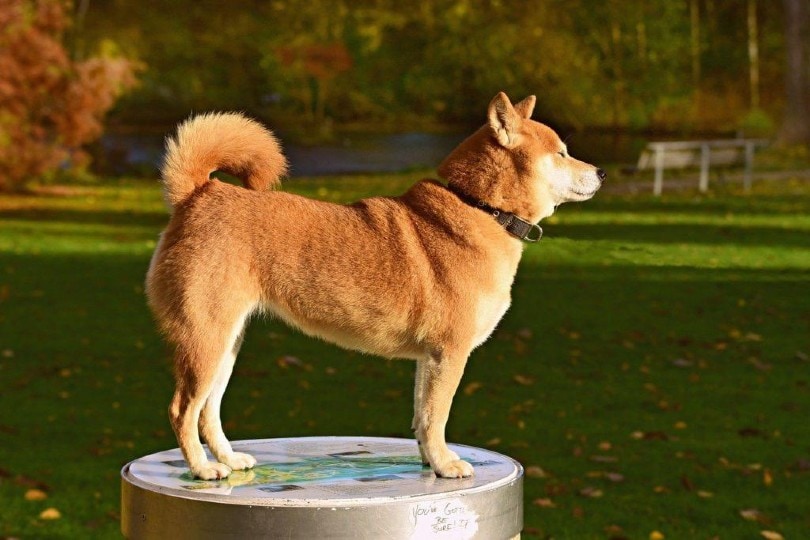
Shiba Inus are a captivating breed with their fox-like appearance, compact size, and charming personalities. These small but mighty dogs have gained popularity worldwide, but their history is deeply rooted in Japan. As one of the country‘s six native breeds, Shiba Inus have played a significant role in Japanese culture for centuries. In this article, we‘ll delve into the fascinating origins of these beloved dogs and explore what they were originally bred for.
The Early Days: Shiba Inus as Hunting Companions
Evidence suggests that Shiba Inus have been a part of Japanese society since ancient times. Primitive drawings depict these dogs alongside their human companions as early as 300 B.C. The name "Shiba Inu" translates to "brushwood dog," likely referring to their red coat that resembles the color of dried brushwood. Another theory suggests that the word "Shiba" meant "small" in the dialect used by the Samurai during the Kamakura Shogunate period (1190-1603).
During this time, Shiba Inus were primarily used as hunting dogs. Their small size, agility, and keen senses made them ideal for navigating through dense underbrush and flushing out small game. They were skilled at hunting birds, rabbits, foxes, and even wild boar. Samurai and hunters alike relied on the Shiba Inu‘s high prey drive and tenacity to successfully track and retrieve game.

Three Distinct Bloodlines
Before World War II, there were three distinct types of Shiba Inus: the Shinshu Shiba, the Mino Shiba, and the San‘in Shiba. Each of these regional varieties contributed to the development of the modern Shiba Inu we know today. However, the breed faced numerous challenges in the early 20th century that nearly led to its extinction.
Between 1912 and 1926, the influx of Western dog breeds in Japan resulted in extensive crossbreeding. This put the purity of the Shiba Inu bloodlines at risk. In an effort to preserve the breed, the Nihon Ken Hozonkai (Association for the Preservation of the Japanese Dog) was established in 1928. Their work led to the Shiba Inu being designated as a Japanese National Monument in 1936.
World War II and the Breed‘s Near Extinction
Despite the efforts to protect the Shiba Inu, World War II posed a significant threat to the breed‘s survival. Bombing raids and a distemper outbreak decimated the population. In the aftermath of the war, Japan faced a severe economic decline, and dog ownership was viewed as a luxury. Many of the remaining Shiba Inus were killed for their fur, which was used to make military clothing, and their meat was consumed as a source of food.

Revival and Recognition
In the 1920s, the three surviving bloodlines—the Shinshu, Mino, and San‘in—were combined to create the modern Shiba Inu. The breed gradually regained its footing in Japan, and in the 1950s, American soldiers stationed there began to take notice of these charismatic dogs. In 1954, the first Shiba Inu was brought to the United States by an army family.
The breed‘s popularity in the U.S. continued to grow, and in 1979, the first litter of Shiba Inus was born on American soil. In 1992, the American Kennel Club officially recognized the breed, solidifying its place in the hearts of dog lovers worldwide.
Shiba Inus in the Modern Era
Today, Shiba Inus are primarily kept as companion animals and family pets. Their loyal, calm, and gentle nature makes them excellent household dogs. They are also known for their alertness and make reliable watchdogs. However, their strong prey drive remains a part of their instincts, and owners must be cautious when introducing them to smaller pets like cats, rabbits, or rodents.
Shiba Inus require regular exercise and thrive in homes with securely fenced yards. Their thick, plush coats need routine grooming to maintain their appearance and prevent matting. As with any breed, potential owners should research the Shiba Inu‘s specific needs and be prepared to provide appropriate care, training, and socialization.

Conclusion
The Shiba Inu‘s journey from a skilled hunting dog to a beloved companion is a testament to the breed‘s resilience and adaptability. By understanding their history and the instincts that have been shaped over centuries, owners can better appreciate and meet the needs of these remarkable dogs.
As we celebrate the Shiba Inu‘s place in our hearts and homes, it‘s essential to remember the breed‘s rich heritage and the challenges they have overcome. By providing them with the love, care, and respect they deserve, we can ensure that these ancient and captivating dogs will continue to thrive for generations to come.