Blue Brindle Pitbull: History, Pictures, Facts & More
Introduction
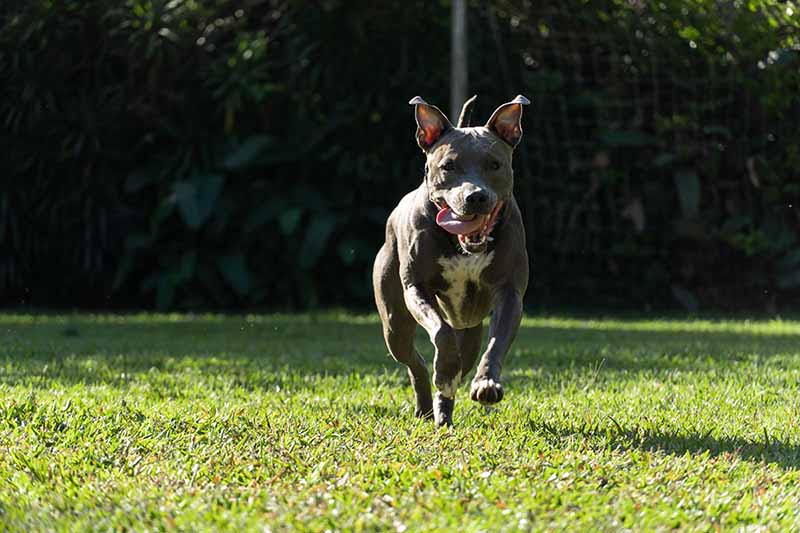
Have you ever seen a dog with a coat that looks like it was painted with swirls of blue and gray? Chances are, you were looking at a blue brindle pitbull. These eye-catching canines have surged in popularity in recent years, but there‘s still a lot of confusion and misinformation surrounding them. In this guide, we‘ll dive into the fascinating world of blue brindle pitbulls, covering everything from their origins and physical attributes to their temperament, health needs, and position in today‘s society. By the end, you‘ll have a newfound appreciation for these misunderstood but truly remarkable dogs.
The Genetics of the Blue Brindle Coat
First, let‘s take a closer look at what gives blue brindle pitbulls their signature appearance. Brindle is a coat pattern characterized by stripes of darker hair over a lighter base color. The word "brindle" comes from an old Scandinavian word that roughly translates to "burnt." The blue coloration is actually a diluted black, caused by a recessive gene. For a pitbull to have a blue brindle coat, it must inherit the brindle gene from one parent and the blue dilution gene from the other.
Because of this specific genetic combination, blue brindle is one of the rarer coat colors in pitbulls. More common brindle shades include brown, red, and fawn. Some unethical breeders may try to cash in on the novelty of blue brindles by breeding solely for this color with no regard for health or temperament. However, coat color is only skin deep – it has no bearing on a dog‘s personality or abilities. Reputable breeders focus on producing sound, healthy dogs above all else.
It‘s a common misconception that blue pitbulls are more prone to health issues. While dilute colors in some breeds are linked to genetic disorders, this is not the case for pitbulls. Blue brindle pitbulls are just as healthy as their differently colored counterparts. The only slight drawback of their lighter coat is that they may be more sensitive to sunburn and skin irritation, so it‘s important to provide sun protection and regular coat care.
Temperament and Personality
One of the biggest myths about pitbulls is that they are inherently aggressive. In truth, pitbulls are no more prone to aggression than any other dog breed. Factors like training, socialization, and treatment have a much greater impact on a dog‘s behavior than genetics. When raised in a loving home and given proper guidance, pitbulls are known for being loyal, affectionate, and wonderful family companions.
Blue brindle pitbulls share all the positive traits of the pitbull breed as a whole. They are highly intelligent and eager to please, which makes them quite trainable. They have a goofy, playful side and love being the center of attention. Pitbulls form incredibly strong bonds with their humans and thrive on interaction, so they don‘t do well when left alone for long periods.
Like all pitbulls, blue brindles have high energy levels and athletic builds. They need plenty of daily exercise and mental stimulation to stay happy and out of mischief. A bored pitbull is likely to channel that pent-up energy into destructive behaviors like excessive chewing or digging. Fortunately, their love of play makes it easy to keep them active – a game of tug or fetch will have their tails wagging in no time.
With their friendly nature and zest for life, blue brindle pitbulls can get along great with kids and other pets when raised together. However, it‘s crucial to always supervise interactions between dogs and small children, no matter how well-meaning the dog may be. That exuberant pitbull energy can easily knock over a toddler during play.
Early socialization is also key to ensuring your pitbull grows up to be a well-adjusted canine citizen. Exposing them to varied people, places, and situations from a young age helps them learn to react calmly to new stimuli rather than with fear or aggression. A well-socialized pitbull is a friendly ambassador for the breed.
Health and Care
Pitbulls are generally a robust and healthy breed, but like all dogs, they are prone to certain health conditions. These include hip dysplasia, heart disease, allergies, and eye problems like cataracts. Choosing a pitbull from a responsible breeder who health tests their breeding stock is the best way to stack the odds in your favor of getting a healthy pup.
Pitbulls can also be prone to weight gain, so it‘s important to monitor their diet and not overdo it on the treats. Excess weight puts strain on their joints and increases the risk of conditions like diabetes and heart disease. A high-quality, protein-rich diet and controlled portions are key to keeping your pitbull at a healthy weight.
Luckily, the short, smooth coat of a blue brindle pitbull is relatively low-maintenance. Weekly brushing with a soft bristle brush or rubber grooming mitt is usually sufficient to remove loose fur and keep their coat glossy. They only need occasional baths, unless they‘ve rolled in something stinky. Their nails should be trimmed regularly to prevent overgrowth and splitting.
Like any dog, pitbulls also need routine preventive care like vaccines, parasite control, and dental cleanings. Finding a veterinarian you trust is essential to keeping your pitbull healthy throughout their lifetime. Pitbulls are stoic by nature and may not show obvious signs of illness or pain, so regular check-ups are crucial to catching any health issues early.
History and Origins
The pitbull breed as we know it today originated in the early 1800s in the United Kingdom. Bulldogs were crossed with terriers to create a dog that combined the strength and tenacity of the bulldog with the agility and prey drive of the terrier. Unfortunately, these early pitbulls were often used for the cruel sports of bull-baiting and dogfighting.
When these bloodsports were outlawed in 1835, pitbulls were brought to the United States, where they continued to be used for dogfighting. However, they also began to be appreciated for their other qualities, such as their loyalty and strong work ethic. Pitbulls served as farm dogs, hunting companions, and even military mascots. Famous pitbulls like Sergeant Stubby, a World War I hero, and Petey from the Little Rascals helped to cement their status as America‘s dog.
The blue brindle color likely first emerged in pitbulls sometime in the late 1800s or early 1900s as a result of selective breeding. While some breeders focused on producing dogs for fighting, others began breeding for specific colors and markings. The unique blue brindle pattern caught the eye of many fanciers and soon became a highly sought-after color in the breed.
Breed Stigma and Legislation
Despite their friendly nature and rich history, pitbulls have faced significant stigma and discrimination in recent decades. Sensationalized media reports of dog attacks often single out pitbulls, even when the dog‘s breed is unknown or mixed. This biased reporting has led to a widespread misconception that pitbulls are more dangerous than other dogs.
The truth is, no dog breed is inherently aggressive. Pitbulls pass temperament tests at a higher rate than many other popular breeds. Proper training, socialization, and responsible ownership are far more relevant to a dog‘s behavior than genetics. Sadly, pitbulls‘ strong, muscular build and tenacious reputation has made them appealing to the wrong type of owners, including those who neglect, abuse, or exploit their dogs for illegal dogfighting.
Breed-specific legislation (BSL) has been proposed or enacted in many cities as a misguided attempt to improve public safety. BSL ranges from outright bans on pitbull ownership to mandatory spay/neuter laws and muzzle requirements. However, these laws are ineffective at reducing dog bites and often lead to the suffering of innocent dogs and owners. The American Veterinary Medical Association, the CDC, and the Humane Society have all spoken out against BSL as an ineffective and discriminatory approach.
The key to improving pitbull welfare and reducing dog bites across all breeds is public education and responsible pet ownership. This includes properly training and socializing dogs, using positive reinforcement methods, providing adequate exercise and care, and always supervising interactions between dogs and children. Pitbull advocates are working hard to combat breed stigma and show the public that these dogs make wonderful companions in the right hands.
Choosing a Blue Brindle Pitbull
If you‘ve fallen in love with blue brindle pitbulls and think one might be the right dog for you, it‘s important to do your research and choose a reputable source. Adopting from a pitbull rescue organization is a great way to give a needy dog a second chance at life. Rescue workers can help match you with a dog that fits your lifestyle and provide guidance on responsible pitbull ownership.
If you prefer to get a puppy from a breeder, look for one who prioritizes health and temperament over color or looks. Responsible breeders perform health testing on their dogs to screen for genetic disorders. They raise their puppies in enriching environments and begin socialization at an early age. Avoid breeders who always seem to have puppies available, don‘t ask for detailed information about your home and experience, or are unwilling to show you where their dogs are kept.
Owning a pitbull is a big responsibility and not a decision to be made lightly. In addition to the usual costs of food, toys, and vet care, you may face additional expenses like higher insurance premiums or a pet deposit if you rent your home. You‘ll need to commit to daily walks and playtime, as well as ongoing training to keep your pitbull mentally stimulated. If you plan to travel, you‘ll need to find pitbull-friendly accommodations or a trusted sitter, as pitbulls don‘t do well when left alone for long periods.
Blue brindle pitbulls also carry the unfair burden of breed stigma, so you may face extra scrutiny and discrimination from those who believe false stereotypes about the breed. It‘s up to you to be a responsible ambassador and show the world what wonderful companions these dogs can be. With the right care and training, your blue brindle pitbull will be a loving, loyal friend for life.
Fun Facts About Blue Brindle Pitbulls
-
The most famous blue brindle pitbull in pop culture is probably Daddy, Cesar Millan‘s longtime companion and partner in dog training. Daddy was known for his calm, gentle demeanor and skill in rehabilitating aggressive dogs.
-
Pitbulls have served as military mascots since World War I. Sergeant Stubby, a pitbull mix, was the most decorated war dog of the conflict, having served in 17 battles and received a Purple Heart.
-
Pitbulls are often referred to as "nanny dogs" because of their affinity for children. In the early 1900s, they were considered the ideal family dog due to their friendly, patient nature.
-
A blue brindle pitbull named Hulk was billed as the world‘s largest pitbull in 2015, weighing in at a massive 175 pounds. He became a social media sensation and even fathered a litter of puppies valued at $500,000.
-
Despite their tough reputation, pitbulls are actually quite sensitive and emotional. They are prone to separation anxiety when left alone and can easily pick up on their owner‘s moods and energy.
-
Many famous figures have owned and advocated for pitbulls, including Helen Keller, Theodore Roosevelt, Thomas Edison, and Jon Stewart. Celebrity pitbull owners today include Kaley Cuoco, Rachael Ray, and Serena Williams.
Conclusion
Blue brindle pitbulls are truly one-of-a-kind dogs with a fascinating history, striking appearance, and endearing personality. While they have faced more than their fair share of discrimination and misunderstanding, those who know and love the breed appreciate them for the loyal, affectionate companions they are. By providing proper care, training, and socialization, pitbull owners can help combat negative stereotypes and show the world that it‘s not about the breed, but the individual dog and how they are raised. If you‘re considering adding a blue brindle pitbull to your family, be prepared for a lifetime of love, laughter, and endless snuggles with your new best friend.