
Border Collie vs German Shepherd: Key Differences (With Pictures)

Border Collies vs German Shepherds: A Comprehensive Comparison
Introduction
When it comes to choosing an intelligent, active, and devoted canine companion, both border collies and German shepherds often come to mind. These two popular breeds share many admirable qualities, yet they also have distinct characteristics that set them apart. In this article, we‘ll take an in-depth look at the key similarities and differences between border collies and German shepherds to help you determine which breed might be the best fit for your lifestyle.
Border collies originated in the border region between England and Scotland, where they were bred to herd sheep. Their innate intelligence, agility, and work ethic made them invaluable to farmers. Today, border collies continue to excel in herding trials but have also become beloved family pets known for their loyalty and affection.
German shepherds, on the other hand, were originally developed in Germany to herd and guard sheep. Their strength, courage, and trainability soon earned them roles in military and police work. German shepherds are now widely recognized as versatile working dogs, excelling in fields like search and rescue, therapy work, and disability assistance. They are also popular family companions, prized for their devotion and protective instincts.
Appearance
One of the most obvious differences between border collies and German shepherds is their size. Border collies are medium-sized dogs, typically weighing between 30 to 55 pounds and standing 18 to 22 inches tall at the shoulder. They have a lean, athletic build that reflects their agility and stamina. Border collies can have either a smooth or rough coat, which is usually a combination of black, white, and sometimes tan.
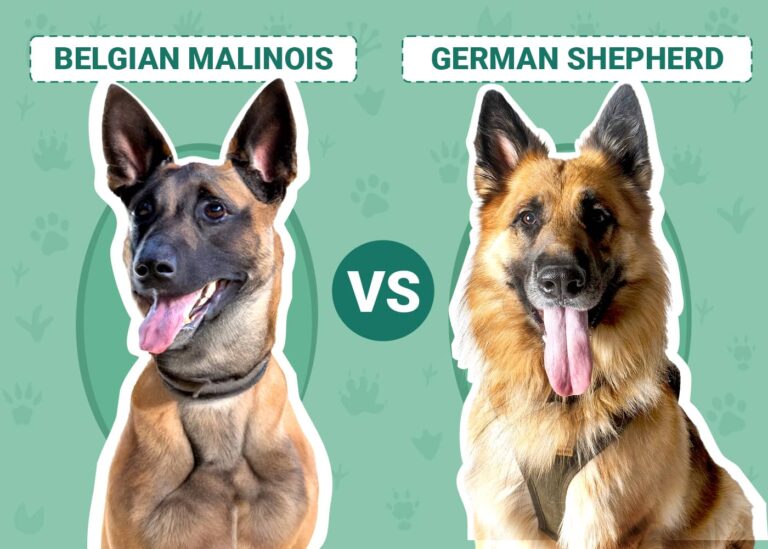
German shepherds, in comparison, are larger dogs. They typically weigh 50 to 90 pounds and stand 22 to 26 inches tall at the shoulder. German shepherds have a muscular, powerful build that suits their roles as working and guard dogs. They have a dense double coat that is most commonly tan with black markings, although they can also come in solid black or white.
Both breeds have distinctive features that contribute to their striking appearance. Border collies are known for their intense, intelligent eyes and their "herding eye," an intense gaze used to control livestock. They also have a characteristic "crouch" stance when stalking prey. German shepherds, meanwhile, have a noble, chiseled head and erect, pointed ears that give them an alert, attentive expression.
Temperament
Border collies and German shepherds share many positive temperament traits, but there are also some key differences to consider. Border collies are often described as energetic, intelligent, and affectionate. They form strong bonds with their owners and thrive on human companionship. At the same time, border collies have a strong work drive and need plenty of physical and mental stimulation to be happy. Without adequate exercise and engagement, they may become bored and destructive.
German shepherds are known for their loyalty, courage, and protective instincts. They are often aloof with strangers but deeply devoted to their families. Like border collies, German shepherds are highly intelligent and need a sense of purpose to be fulfilled. They excel in various working roles, but also make affectionate and patient family companions when properly trained and socialized.
One temperamental difference between the two breeds is that German shepherds tend to be more territorial and naturally suspicious of strangers, which makes them excellent watchdogs. Border collies, while alert and attentive, are generally more accepting of new people and situations. Both breeds have strong herding instincts, which may manifest in behaviors like chasing or nipping at children or other pets if not properly channeled.
Exercise and Activity Levels
Both border collies and German shepherds are high-energy dogs that require substantial daily exercise and mental stimulation. As herding breeds, they have been bred for endurance and thrive on having a job to do. Border collies, in particular, are often described as "workaholics" and need a minimum of 1-2 hours of vigorous exercise every day. This can include activities like running, hiking, playing fetch, or participating in dog sports like agility or flyball.
German shepherds also need plenty of daily activity, but may not require quite as much intense exercise as border collies. They still need at least an hour of vigorous exercise each day, along with plenty of mental stimulation through training, puzzle toys, and interactive play. German shepherds excel in activities that challenge their minds and bodies, such as tracking, herding, and obedience trials.
For both breeds, a lack of sufficient exercise and mental stimulation can lead to behavioral problems like excessive barking, digging, or destructive chewing. They may also become anxious, hyperactive, or difficult to handle. It‘s crucial for potential owners to be prepared to meet the significant exercise needs of these breeds before bringing one home.
Training and Intelligence
Border collies and German shepherds are both renowned for their exceptional intelligence and trainability. They are quick learners who thrive on positive reinforcement and consistent training. However, there are some differences in their learning styles and motivations to keep in mind.
Border collies are often considered the most intelligent of all dog breeds. They have a keen understanding of human cues and excel in obedience and trick training. Border collies are highly sensitive and responsive to their handler‘s commands, but can also be independent thinkers. They do best with reward-based training methods that keep them engaged and mentally stimulated.
German shepherds are also highly intelligent and excel in a variety of training roles. They are often used as service dogs, therapy dogs, and in law enforcement due to their trainability and dependability. German shepherds are typically eager to please their handlers and respond well to firm, consistent leadership. They can be stubborn at times, but are generally very responsive to reward-based training.
For both breeds, early socialization and positive exposure to a variety of people, animals, and environments is essential for developing a well-rounded and confident temperament. Border collies and German shepherds can both be prone to anxiety or aggression if not properly socialized, so it‘s important to start training and socialization from a young age and maintain it throughout their lives.
Health Concerns
Like all purebred dogs, border collies and German shepherds are prone to certain genetic health issues that potential owners should be aware of. Border collies have a lifespan of around 12-15 years, while German shepherds typically live 9-13 years.
Some of the most common health concerns for border collies include:
- Hip dysplasia: a hereditary condition causing malformation of the hip joint, leading to arthritis and mobility issues
- Collie eye anomaly (CEA): a group of eye disorders ranging from mild to severe, sometimes causing vision impairment or blindness
- Epilepsy: a neurological disorder causing seizures
- Deafness: particularly in dogs with a lot of white on their head
- Allergies and skin problems
German shepherds are prone to some similar health issues, including:
- Hip and elbow dysplasia
- Degenerative myelopathy: a progressive neurological disorder affecting the spinal cord, causing weakness and paralysis
- Bloat (gastric dilatation-volvulus): a life-threatening condition in which the stomach fills with gas and twists on itself
- Exocrine pancreatic insufficiency (EPI): a digestive disorder causing malabsorption of nutrients
- Allergies and skin problems
To minimize the risk of these health issues, it‘s important to work with a reputable breeder who performs genetic testing on their breeding stock. Keeping your dog at a healthy weight, providing a nutritious diet, and scheduling regular vet check-ups can also help catch and manage any potential health problems.
Grooming Needs
Border collies and German shepherds both have double coats that shed moderately to heavily year-round, with heavier shedding seasons in the spring and fall. Regular brushing is necessary to keep their coats healthy and to manage shedding.
Border collies with smooth coats may only need brushing once or twice a week, while those with rough coats may need brushing every other day to prevent matting and tangles. They typically only need occasional baths unless they get particularly dirty. Border collies should have their nails trimmed regularly, their ears checked for debris and infection, and their teeth brushed as part of a regular grooming routine.
German shepherds have a thick, dense double coat that sheds heavily. They need to be brushed several times a week, and daily during shedding seasons, to remove loose hair and prevent matting. German shepherds may need more frequent baths than border collies to keep their skin and coat healthy. They also need regular nail trims, ear cleanings, and dental care.
Neither breed requires professional grooming, but both benefit from a consistent at-home grooming routine to keep their coats and skin in good condition.
Suitability as Family Pets
Both border collies and German shepherds can make wonderful family pets for the right households. They are both affectionate, loyal, and protective of their families. However, their high energy levels and specific needs mean they are not the right fit for every home.
Border collies are best suited for active households where they will receive plenty of daily exercise and mental stimulation. They can be good with children, but may try to herd them by nipping at their heels. Border collies can also get along well with other dogs and even cats if raised with them, but their strong prey drive means they may not be suitable for homes with smaller pets like rabbits or rodents.
German shepherds are also best suited for active households where they will receive plenty of exercise, training, and attention. They are generally good with children when well-socialized and raised with them, but their size and strength means they should always be supervised around young kids. German shepherds can do well with other dogs and pets if properly introduced and socialized, but their territorial instincts may make them less tolerant of strange animals entering their space.
Both breeds are highly intelligent and need plenty of interactive play and mental stimulation in addition to physical exercise. They can become bored and destructive if left alone for long periods without enough stimulation. Border collies and German shepherds are both prone to separation anxiety and do best in households where someone is home for most of the day.
Due to their high exercise needs and potential for strong herding and protective instincts, both border collies and German shepherds may be too much dog for first-time owners to handle. They are best suited for experienced dog owners who understand the needs of herding breeds and are prepared to put significant time into their training and exercise.
Conclusion
Border collies and German shepherds are both remarkable breeds known for their intelligence, work ethic, and devoted companionship. While they share many admirable traits, they also have distinct differences in size, appearance, and temperament that potential owners should carefully consider.
Both breeds require very active households and committed owners who will provide them with plenty of daily exercise, training, and engagement. Border collies and German shepherds can make excellent family companions for experienced dog owners who are prepared to meet their needs, but may not be the right choice for first-time owners or those with very young children.
Ultimately, the decision between a border collie and German shepherd will come down to your individual preferences, lifestyle, and what you are looking for in a canine companion. Thoroughly researching both breeds, talking to reputable breeders and owners, and spending time with each breed before making a decision can help ensure you find the right match.
With proper care, training, and attention, both border collies and German shepherds can be loving, loyal, and highly rewarding additions to the right homes. By understanding their unique needs and providing them with the exercise, stimulation, and companionship they crave, you can build an unbreakable bond with one of these incredible breeds.




)