Boston Terrier Mixes: A Dog Lover‘s Guide to 25 Adorable Crossbreeds
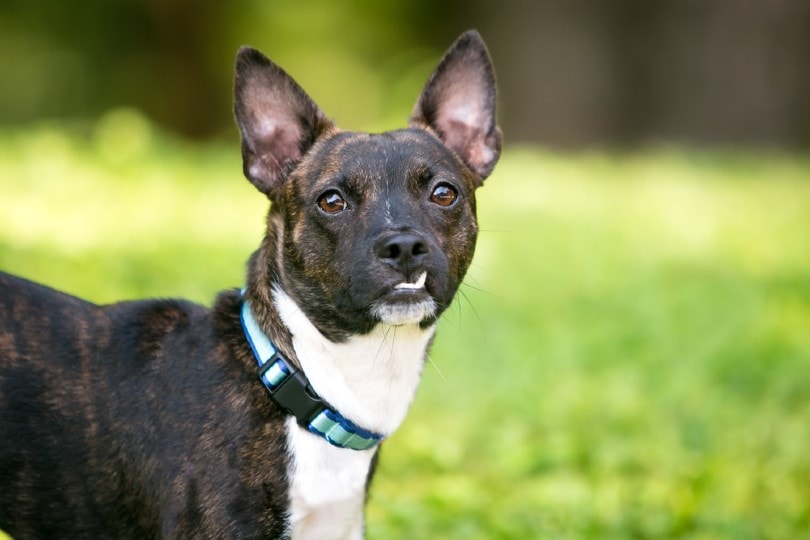
As a lifelong dog lover and veterinarian, I‘ve met my fair share of charming and spunky Boston Terrier mixes. These little dogs pack a lot of personality into a compact package! If you‘re considering adding a Boston Terrier crossbreed to your family, you may be wondering what to expect in terms of appearance, temperament, training and care needs.
In this comprehensive guide, we‘ll cover 25 popular Boston Terrier mixes, what makes them unique, and how to decide which one might be the perfect fit for you. As a vet, I‘ll also share insights on potential health issues to watch for and the importance of finding a responsible breeder. Let‘s dive in!
Table of Contents
- Introduction
- What to Know About Boston Terrier Mixes
- 25 Popular Boston Terrier Crossbreeds
- Choosing a Boston Terrier Mix
- Finding a Responsible Breeder
- Health Testing and Potential Issues
- Training and Socialization Tips
- Conclusion
- Resources
Introduction
The Boston Terrier is a lively little dog known for its tuxedo coat, expressive bug eyes, and friendly demeanor. According to the American Kennel Club, this breed ranked 21st out of 197 in popularity in 2023.
Over the past decade, crossbreeding Boston Terriers with other purebred dogs has become increasingly trendy. The goal is often to create a unique looking pup that combines the most desirable traits of both parent breeds. Some popular Boston Terrier crosses aim for a dog with the Boston‘s outgoing nature but a longer muzzle to reduce breathing issues.
As adorable as Boston Terrier mixes can be, it‘s important to remember that mixed breed dogs can vary quite a bit in appearance and temperament, even within the same litter. In this article, we‘ll explore what you can typically expect with different Boston Terrier crosses, but every dog is an individual.
What to Know About Boston Terrier Mixes
Predicting Mixed Breed Traits
When you mix two purebred dogs like a Boston Terrier and a Beagle, the resulting puppies are often called "designer dogs". However, genetics are complex. Unlike a purebred where puppies often closely resemble their parents and breed standard, mixed breed offspring can inherit a variety of traits from each parent breed.
Reputable breeders carefully select parent dogs not just for appearance but health and temperament. However, there are no guarantees of which parent a puppy will favor. They may have a Boston Terrier‘s perky ears and short nose or a Beagle‘s longer muzzle and floppy ears, or a combination.
Size and coat type can also vary, even within a litter. A Boston Terrier typically weighs 12-25 pounds and has a short, smooth coat. Crossed with a smaller breed like a Chihuahua, puppies may mature under 12 pounds. Bred to a larger dog like a Lab, some pups could potentially weigh 30-40 pounds or more.
Hybrid Vigor and Health
A common reason for crossbreeding is to produce puppies with "hybrid vigor". The idea is that mixing two separate gene pools can result in offspring that are healthier than their purebred parents.
Studies comparing the health of mixed breed vs purebred dogs have shown mixed results. A 2021 Wisdom Panel study of 30,000 dogs found that mixed breeds were less likely to suffer from hip dysplasia, heart disease, and some other issues. However, this varies by the breeds crossed. Mixing a Boston Terrier with another flat-faced dog like a French Bulldog is likely to result in some puppies that still have breathing difficulties and eye problems.
The Institute of Canine Biology stresses that simply crossing breeds doesn‘t guarantee healthier pups. For example, two breeds prone to hip dysplasia like a German Shepherd and Labrador Retriever are likely to pass along this issue to some offspring. Using health tested parents is key, regardless of whether they are purebred or mixed.
Grooming and Care
Care needs for a Boston Terrier mix can vary quite a bit depending on coat type, ear shape, muzzle length, and other physical traits. In general, expect to brush them at least a few times a week to remove loose fur and prevent tangles if they have any longer hair. Regular nail trims, ear cleaning, and dental care are also essential.
Flat-faced mixes like a Bugg (Boston Terrier-Pug) are more likely to have skin folds that need regular cleaning to prevent infection. Long-eared mixes like the Boglen Terrier (Boston-Beagle) need their ears checked frequently for any signs of infection or excess wax buildup.
Energy levels can also run the gamut. Some crosses like the Bojack (Boston Terrier-Jack Russell) are high octane and need lots of exercise and stimulation. Lower key mixes like the Bo-Tzu (Boston-Shih Tzu) still need regular walks and playtime but may have more moderate exercise needs. We‘ll discuss what to expect for specific crosses more below.
25 Popular Boston Terrier Crossbreeds
Now let‘s meet 25 of the most popular and intriguing Boston Terrier mixes! We‘ll cover key traits including size, appearance, grooming needs, temperament, exercise needs, trainability, potential health issues, and what type of owner they may be best suited for.
1. Boglen Terrier (Boston Terrier x Beagle)
Size: 15-30 lbs Coat: Short, sheds moderately
Temperament: Curious, high energy, loyal, outgoing
Exercise Needs: High
Trainability: Moderately challenging due to stubbornness
Potential Health Issues: Eye anomalies, patellar luxation, allergies
Best for: Active owners, homes with a yard, families with older children
2. Bocitoxer (Boston Terrier x Boxer)
Size: 30-50 lbs Coat: Short, sheds moderately
Temperament: Loyal, playful, goofy, can be protective
Exercise Needs: High
Trainability: Needs consistent training and socializing
Potential Health Issues: Hip dysplasia, heart conditions, breathing issues
Best for: Active families, experienced dog owners
3. Bo-Jack (Boston Terrier x Jack Russell Terrier)
Size: 12-25 lbs Coat: Short, sheds lightly to moderately
Temperament: Lively, inquisitive, fearless, loves to play
Exercise Needs: Very high
Trainability: Intelligent but independent, positive reinforcement is key
Potential Health Issues: Legg-Calve-Perthes disease, deafness, patellar luxation
Best for: Highly active households, owners ready for a spunky pup
Choosing a Boston Terrier Mix
With so many adorable and unique Boston Terrier mixes, how do you decide which one is right for you? As a veterinarian, I always recommend considering your lifestyle and what you want in a canine companion first.
Some questions to consider:
- How much time can you devote to exercising and playing with your dog each day?
- Do you have a yard or live near dog-friendly parks?
- Will your dog need to get along with children? Cats? Other dogs?
- How much grooming are you willing to do?
- Are you prepared for potential health issues and veterinary expenses?
- Do you have experience with dog training or are you willing to attend classes?
Be honest about your lifestyle and limitations. A high energy mix that needs lots of exercise and stimulation may not be a good fit for a sedentary household. A pup with a stubborn streak may be too much for a first-time dog owner. On the flip side, an eager to please, sociable mix could be ideal for an active family.
If possible, spend time with adult dogs of the mix you‘re considering. Talk to owners about their experiences with training, grooming, health issues, and overall temperament. While every dog is an individual, this can give you a better idea of what to expect.
Finding a Responsible Breeder
Once you‘ve narrowed down your top Boston Terrier mixes, it‘s important to find a responsible breeder. Avoid pet stores, puppy mills, and online sellers that ship puppies sight unseen. A good breeder strives to produce healthy, well-socialized puppies and will insist on meeting prospective owners in person.
Some signs of a responsible Boston Terrier mix breeder:
- They perform genetic health testing on parent dogs and can provide documentation
- Parent dogs have stable temperaments and are free from major health or behavior issues
- Breeder thoroughly interviews prospective owners to ensure a good fit
- Puppies are raised indoors with lots of socialization and age-appropriate vet care
- Sales contracts require puppies be returned to the breeder if owner can‘t keep them
- Breeder provides extensive information on puppy care, training, socialization, health
Ask for references from puppy owners and the breeder‘s veterinarian. They should be happy to provide them. You should be allowed to meet the mother dog, if not both parents, and observe their living conditions. Puppies should be clean, sociable, and not fearful.
Health Testing and Potential Issues
A reputable Boston Terrier mix breeder health tests parent dogs before breeding them. Testing can identify genetic carriers for issues like juvenile cataracts, deafness, and degenerative myelopathy. Breeders should provide documentation of test results.
Even with health tested parents, Boston Terrier mixes can inherit certain health predispositions. Flat-faced or brachycephalic mixes like a Bugg (Boston Terrier-Pug) or Frenchton (Boston-French Bulldog) are prone to breathing issues, eye problems, skin fold infections, and heat intolerance.
As a vet, I also watch for orthopedic issues like luxating patellas and hip dysplasia in Boston crosses. Legg-Calve-Perthes disease, which causes the femur head to deteriorate, can occur too. Regular vet check-ups and screenings can help catch issues early.
Reputable breeders offer a health guarantee, often for at least 1-2 years. They will be honest about what potential health issues your puppy could develop. Discuss health concerns with your veterinarian too and develop a preventive care plan.
Training and Socialization Tips
Boston Terriers are known for being smart and eager to please. Mixes that inherit these traits like the Bostalier (Boston Terrier-Cavalier) and Miniature Bostpoo (Boston Terrier-Mini Poodle) are often a joy to train.
However, other crosses can inherit a stubborn streak or higher prey drive that makes training more challenging. Start socialization and training early, stay consistent, and use lots of positive reinforcement. Puppy classes are a great way to expose your pup to new people, dogs, and situations in a safe setting.
With Boston Terrier mixes prone to breathing issues, it‘s important to use a harness and not a collar that could restrict their airway. Keep training sessions short to avoid overheating or respiratory distress. Make it fun with games and lots of praise and rewards.
As your Boston mix pup grows, continue socialization and training. Enroll in obedience classes, visit new places, and arrange play dates with friendly dogs. If behavior issues develop, consult a certified dog trainer or veterinary behaviorist promptly. Many problems are easier to address when caught early.
Conclusion
Boston Terrier mixes offer a wide array of adorable, unique, and often healthier crossbreeds. Whether you want a lively playmate like a Bojack or a lower key lapdog like a Bostchon, there‘s a Boston mix out there for you.
Choosing the right Boston Terrier mix means being honest about your lifestyle, experience level, and what you want in a canine companion. Working with a responsible breeder and staying on top of training, socialization, and preventive care can ensure a long, happy life with your new best friend.
If you‘re ready to open your heart and home to an irresistible Boston mix, I hope this guide has given you the information you need to find your perfect pup. Remember, no matter their breed or mix, dogs enrich our lives with their unconditional love, zest for life, and silly antics. As a dog lover and vet, I can‘t imagine life without them!
Resources
-
American Kennel Club. Boston Terrier. https://www.akc.org/dog-breeds/boston-terrier/
-
Hecht J, Horowitz A. Dog Genetics in Plain English. Institute of Canine Biology. https://www.instituteofcaninebiology.org/dog-genetics-in-plain-english.html
-
Purebred vs Mixed Breed Dogs: Genetic Health of Purebred and Mixed-Breed Dogs: The Actual Data. Institution of Canine Biology. https://www.instituteofcaninebiology.org/blog/purebred-vs-mixed-breed-dogs-genetic-health-of-purebred-and-mixed-breed-dogs-the-actual-data
-
Boston Terrier Club of America. About Boston Terriers. https://www.bostonterrierclubofamerica.org/about-boston-terriers
-
Mott, Maryann. "Friendly" Dogs Have Genes in Common, Study Shows. National Geographic News. https://www.nationalgeographic.com/animals/article/dogs-personalities-genes-pets
-
Beuchat, Carol. The Myth of Hybrid Vigor in Dogs…is a Myth. The Institute of Canine Biology. https://www.instituteofcaninebiology.org/blog/the-myth-of-hybrid-vigor-in-dogsdo-hybrids-really-live-longer-than-purebreds