The Adorable Crustie: A Comprehensive Guide to the Chinese Crested Yorkie Mix
Are you a fan of small, spunky dogs with big personalities? Look no further than the captivating Crustie—a designer dog mix between a Chinese Crested and a Yorkshire Terrier. With their unique looks and charms, Crusties have been winning the hearts of dog lovers in recent years.
As someone who adores these little furballs, I‘m excited to share with you everything you need to know about the Crustie breed. In this ultimate guide, we‘ll dive into their history, characteristics, care requirements, and why they make such wonderful companions. By the end, you may just be convinced that a Crustie is the perfect pooch for you!
The Origin of the Crustie
The Crustie is a relatively new hybrid dog breed that emerged in the early 2000s, likely first bred in the United States. As a cross between two popular toy breeds—the Chinese Crested and the Yorkshire Terrier—the Crustie inherits a mix of their parents‘ most desirable qualities.
Chinese Cresteds are an ancient breed known for their unique appearance, often being hairless except for tufts of fur on their head, tail, and feet. They are lively, alert dogs that adore human companionship. Yorkies, on the other hand, are spunky little terriers with gorgeous silky coats. Bred to hunt rats in clothing mills, they are brave, tenacious, and deeply loyal to their owners.
By combining these two breeds, the Crustie offers the best of both worlds: a petite, affectionate lapdog with a fun-loving, adventurous spirit. While they are not currently recognized by major kennel clubs like the AKC, Crusties have a growing fan base among dog enthusiasts.
Physical Characteristics of Crusties
Since the Crustie is a mixed breed, their appearance can vary quite a bit depending on which parent they take after more. However, most Crusties share these common traits:
Size and Weight
As a toy breed, Crusties typically stand 8-12 inches tall at the shoulder and weigh between 7-13 pounds when fully grown. Their compact size makes them ideal for apartment living and traveling.
Coat Type and Colors
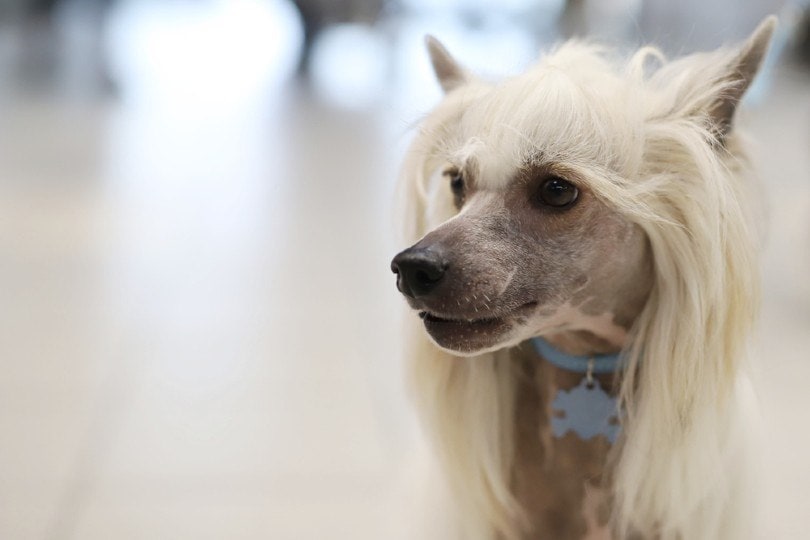
One of the most fascinating things about Crusties is that they can either inherit the Chinese Crested‘s hairless gene or the Yorkie‘s long, silky locks. Hairless Crusties have smooth, soft skin with hair only on their head, tail, and feet (called "furnishings"). Coated Crusties have a fine, glossy coat that is longer than the typical Yorkie‘s but not quite as long as a show-quality Yorkie‘s floor-length hair.
In terms of color, Crusties can sport various shades, most often black, blue, brown, and tan. Many have the Yorkie‘s signature tan points on the face, chest, and legs. The hairless variety tends to be spotted while coated Crusties are typically one solid color or a combination of two colors.
Grooming Needs
The grooming requirements for Crusties depend on their coat type. Hairless Crusties are very low maintenance, needing only weekly baths with a gentle shampoo to keep their skin clean and moisturized. You‘ll also need to apply dog-safe sunscreen to prevent sunburns if your hairless Crustie will be spending time outdoors.
Coated Crusties have more intensive grooming needs, much like their Yorkie parent. Daily brushing is necessary to prevent tangles and mats. They will also need regular trims every 6-8 weeks to keep the coat looking neat and tidy. If you‘re not confident with cutting your Crustie‘s hair yourself, find a groomer who is experienced with Yorkies and other long-haired breeds.
Regardless of coat type, it‘s important to brush your Crustie‘s teeth frequently, clean their ears weekly, and trim their nails every couple weeks. Proper dental care is especially crucial for toy breeds like Crusties who are prone to tooth loss and gum disease. Getting your pup used to having their mouth, ears, and paws handled from a young age will make grooming a more positive experience for everyone.
The Charismatic Crustie Personality
Crusties are known for being incredibly affectionate and attached to their owners. They thrive on human interaction and will follow you from room to room just to be near you. This devotion is one of the breed‘s most endearing qualities, but it also means Crusties are prone to separation anxiety if left alone for long periods.
Like their parent breeds, Crusties are lively, curious dogs with a good dose of sass. They have a "big dog" mentality and are surprisingly brave given their small stature. Crusties are always up for an adventure, whether that‘s a trip to the dog park or a game of fetch in the backyard. Mental stimulation is just as important as physical exercise to keep these clever pups engaged.
While Crusties are very smart, they can also be independent thinkers with a stubborn streak. Positive reinforcement training methods that use praise, playtime, and treats work best to motivate them. Harsh corrections will only make them shut down. With consistent training and socialization starting from puppyhood, Crusties can learn to be well-mannered companions.
Crusties tend to be "people dogs" and may prefer the company of their humans over other animals. However, they can get along well with other dogs and cats if raised together. Proper introductions and supervision are important to make sure your Crustie doesn‘t try to boss around their furry sibling.
Another Crustie quirk to be aware of is their tendency to bark. They will alert you anytime someone approaches the home or if they hear a strange noise. Teaching the "quiet" command and providing plenty of exercise and mental stimulation can help curb excessive barking.
Crustie Health and Life Expectancy
Crusties have a lifespan of 12-15 years on average. As a hybrid breed, they may be less prone to genetic disorders than purebreds, but they can still inherit health issues from their parent breeds. Some potential health concerns seen in Crusties include:
- Dental problems
- Luxating patellas
- Tracheal collapse
- Legg-Calve-Perthes disease
- Skin irritation and allergies (in hairless Crusties)
The best way to ensure your Crustie lives a long, healthy life is to purchase them from a reputable breeder who performs genetic health testing on their dogs. Once you bring your Crustie puppy home, keep up with regular vet check-ups, feed them a high-quality diet, maintain a healthy weight, and provide dental care and grooming.
Finding Your Perfect Crustie
If the Crustie seems like the ideal dog for you, it‘s important to do thorough research before bringing one home. Since this is a relatively rare designer breed, you likely won‘t find a Crustie in a shelter or rescue. Most Crusties are purchased from breeders, typically costing between $1000-$2500 depending on their coat type, color, pedigree, and location.
To find a responsible Crustie breeder, start by asking for referrals from your vet or other trusted dog owners. Look for breeders who perform genetic health testing on their dogs, provide health guarantees for their puppies, and insist on meeting potential buyers in person. Avoid pet stores and online sellers who cannot verify the condition their puppies are raised in.
Once you find a breeder you trust, be prepared to go on a waitlist as Crustie litters are usually small and in high demand. The wait will be worth it when you have a happy, healthy puppy!
Fun Facts About Crusties
1. Famous Crustie owners include YouTube star Jenna Marbles, who has two Crusties named Peach and Kermit.
-
Crusties are sometimes referred to as "Cresties," "Crestie Yorkies," or "Yorkie Cresteds."
-
Despite their small size, many Crusties excel in dog sports like agility, flyball, and rally obedience thanks to their athletic build and eagerness to please.
-
A quick search of the #crustiesofinstagram hashtag will bless your feed with countless photos of these ridiculously cute dogs.
-
Crusties have been featured in several viral videos showcasing their goofy antics and heartwarming bonds with their owners.
Conclusion
With their endearing looks, spunky personality, and unwavering loyalty, it‘s no surprise that Crusties are becoming increasingly popular companion dogs. These tiny charmers pack a whole lot of love and entertainment into a petite package.
Of course, no breed is right for every owner. Crusties require a good deal of attention, mental stimulation, and training to be happy and well-behaved pets. If you work long hours or travel frequently, a Crustie may not be the best fit for your lifestyle.
But if you‘re looking for a devoted, fun-loving little sidekick to share life‘s adventures with, the captivating Crustie may be your perfect match. These special dogs have a way of quickly worming into your heart with their big personalities. With proper care and plenty of cuddles, your Crustie will be your partner in mischief and joy for many years to come.