Catahoula Leopard Dog: Breed Info, Pictures, Traits & Care
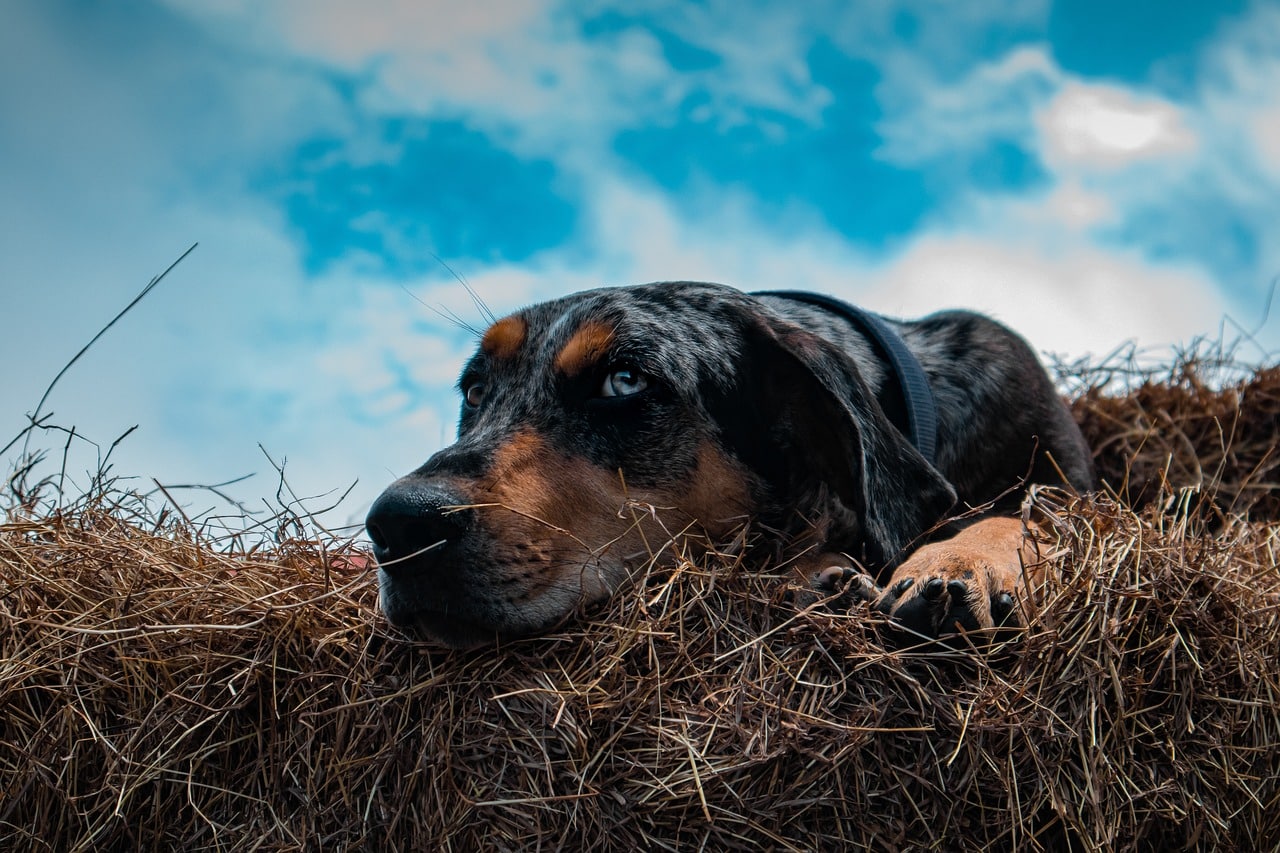
The Catahoula Leopard Dog: A Comprehensive Guide
The Catahoula Leopard Dog, also known as the Catahoula Cur, Catahoula Hound, or Louisiana Catahoula Leopard Dog, is a striking and unique breed known for their intelligence, loyalty, and incredible working abilities. With their distinctive spotted coats, variety of eye colors, and sturdy, muscular build, Catahoulas stand out from other breeds. They make devoted companions for experienced owners and thrive in active homes that can provide an outlet for their energy and smarts.
In this comprehensive guide, we‘ll dive into the origin and history of Catahoulas, their physical characteristics, temperament, training and exercise needs, health concerns, grooming, and more interesting facts. Whether you‘re already a proud Catahoula owner or considering adding one of these remarkable dogs to your home, read on to learn everything you need to know about the Catahoula Leopard Dog breed.
Breed Origin and History
The Catahoula Leopard Dog‘s lineage traces back to northern Louisiana, where Native Americans are believed to have developed the foundation of the breed. Originally called the Wolf Dog, these dogs were later bred with Greyhounds, Bloodhounds, and Mastiffs brought in by Spanish explorers and settlers starting in the 16th century. Some theories suggest that French explorers arriving in Louisiana introduced Beauceron dogs which were also cross-bred into the Catahoula line.
As European settlers moved into Louisiana, they further developed the breed into a versatile working dog that could hunt wild hogs and boar, drive cattle, herd livestock, and serve as loyal guardians. Catahoulas proved especially adept at herding unruly feral hogs and cattle that thrived in Louisiana‘s challenging landscape of swamps, dense forests, and brush. The name "Catahoula" comes from a Choctaw Indian word meaning "sacred lake" in reference to Catahoula Lake in north-central Louisiana. The region around the lake was where the breed first developed and gained notoriety for their working abilities. To this day, a strong herding instinct remains a defining breed characteristic.
Physical Characteristics
Catahoulas are medium-large dogs with powerful, muscular builds. Males typically stand 24-26 inches and weigh 65-90 pounds, while females stand 22-24 inches and weigh 50-65 pounds. Their short coats come in a wide variety of colors including blue merle, red merle, brindle, black, tan, white, and various shades of red/brown. Most have striking leopard-like spots, brindles, or black and tan patterns on a background of gray, white, or cream fur. Solid color coats can occur but are less common.
One of the breed‘s most distinctive features is their eye color. Catahoulas may have brown, green, blue, or amber eyes, sometimes with flecks of color that create a "cracked glass" appearance. Some may have two different colored eyes, or even two colors within the same eye.
Their ears are medium-sized and hang down, and their long tapering tail curves slightly upward without curling over the back. Overall, the Catahoula‘s sturdy, balanced frame and striking coat and eyes combine to create a dog with a highly distinctive look.
Temperament and Personality
Catahoulas are known for being highly intelligent, energetic, loyal, and protective. As working dogs bred for herding livestock and hunting wild boar, they have strong instincts to guard and lead. Catahoulas bond closely with their owners and can be standoffish or suspicious of strangers if not well socialized. While deeply loyal to their families, Catahoulas tend to be independent thinkers and can have a stubborn streak, making them a better fit for experienced dog owners.
Proper training and socialization from a young age are crucial for Catahoulas to grow into well-adjusted dogs. They respond best to firm, consistent training that relies on positive reinforcement rather than harsh corrections. Catahoulas have a strong prey drive and will instinctively chase after small animals like squirrels, rabbits, and even cats unless trained otherwise. A securely fenced yard is a must to prevent them from taking off after perceived prey.
As watchful guardians with strong protective instincts, Catahoulas make excellent watchdogs and will alert their owners to any perceived threats. They can be territorial and don‘t always get along with unknown dogs, so careful socialization is important. With proper introductions and training, they can coexist well with other dogs and pets in the home.
Exercise and Living Needs
As high energy working dogs, Catahoulas require a lot of daily exercise. They need a minimum of one hour of vigorous exercise per day, but will happily take more. Catahoulas thrive when given a job to do, whether that‘s herding livestock, participating in canine sports like agility or tracking, or just playing challenging games with their owner. Puzzle toys that engage their mind are also important for combating boredom and destructive behavior.
Catahoulas do best in homes with a large securely fenced yard where they can run and play. They are not well suited for apartment living or homes where they will be left alone for long periods. Catahoulas crave companionship and will become anxious and destructive if isolated too much or under-exercised.
Because of their high exercise needs and powerful builds, Catahoulas may not be the best fit for families with young children. They can easily knock over a small child during exuberant play. With older children, they can be incredibly affectionate and loyal companions. As with any breed, children and dogs should always be supervised.
Grooming and Diet
Catahoulas have short, dense coats that shed moderately year-round. Weekly brushing and occasional baths are usually sufficient to keep their coat and skin healthy. Because of the breed‘s large active frame, providing a high quality diet formulated for big dogs is important. Look for foods with meat proteins listed as the first few ingredients and that contain joint-supporting nutrients like glucosamine and chondroitin. Avoid foods with cheap fillers like corn, wheat, and soy.
It‘s important to keep Catahoulas at a healthy weight and not to over-feed, as excess weight can exacerbate joint issues like hip dysplasia which the breed has a genetic predisposition to. Your veterinarian can help you determine the appropriate amount of food for your dog‘s size and activity level.
Training and Socialization
Consistent training beginning in puppyhood and ongoing into adulthood is crucial for Catahoulas. As intelligent, independent-minded dogs, they need an owner who can confidently establish leadership and maintain clear boundaries. Positive reinforcement methods using praise, play, and high value treats work best for motivating Catahoulas. Avoid harsh corrections which can damage your bond and lead to fear, anxiety, and even aggression.
Socialization with new people, dogs, places, and situations is also critical for Catahoulas, especially in the first 16 weeks of life. Encourage positive interactions and make new experiences fun with plenty of treats and praise. Well-run puppy kindergarten classes can be a great way to jump start socialization and basic obedience in a safe setting.
Because of their strong herding and prey drive, Catahoulas may instinctively attempt to herd or chase children, other pets, bikes, and even cars. Training them to redirect this instinct is important for everyone‘s safety. Teaching a strong recall, implementing a "leave it" cue, and rewarding them for focusing on you can help curb this behavior. For outlets, consider letting them herd toys or pet grade rubber balls, or take them to herding trials or competitions.
Health and Lifespan
Catahoulas are generally healthy dogs with a typical lifespan of 10-14 years. Like many large breeds, they can be prone to genetic joint problems like hip dysplasia and elbow dysplasia. Responsible breeders will screen their breeding stock for these issues. Eepin