Discovering the Delightful World of Bichon Frise Mixes
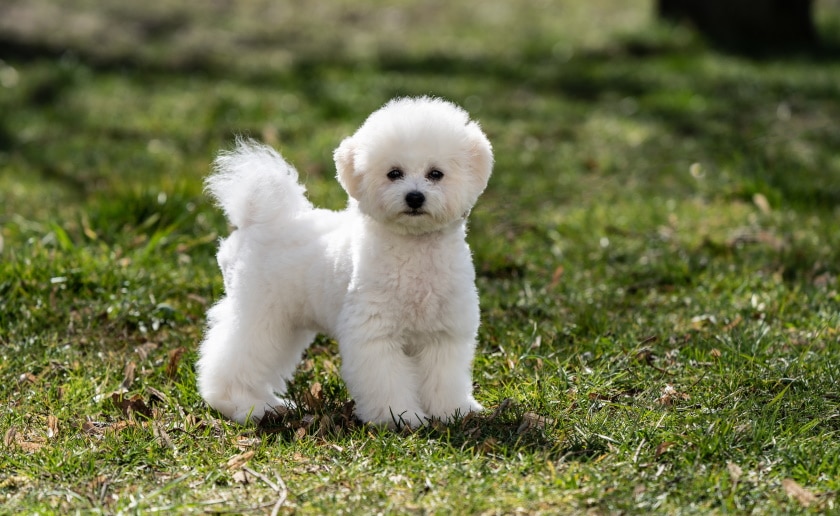
As a dog lover and veterinary expert, I‘ve had the pleasure of working with countless adorable and affectionate canine companions over the years. But there‘s one type of dog that never fails to melt my heart: the Bichon Frise mix. These fluffy little charmers combine the best qualities of the beloved Bichon Frise with those of other popular breeds, resulting in a wide variety of irresistible crossbreeds.
The Bichon Frise: A Brief History
To understand what makes Bichon Frise mixes so special, it helps to know a bit about the history of the Bichon Frise itself. This ancient breed originated in the Mediterranean region, where it was known as the "Bichon Tenerife" after the Canary Island of Tenerife. Sailors brought these small white dogs with them on their voyages, and they eventually became popular among European nobility in the 16th century.
The Bichon Frise as we know it today was developed in France in the late 1800s, where it was bred to be a charming and affectionate companion dog. The breed‘s name comes from the French words "bichon," meaning small dog, and "frise," meaning curly, referring to its distinctive fluffy white coat.
The Rise of Designer Dogs
In recent decades, there‘s been a growing trend of crossing purebred dogs to create so-called "designer" breeds. The goal is to combine the desirable traits of two different breeds into one adorable package. Bichon Frise mixes have become increasingly popular due to the Bichon‘s many wonderful qualities, including its:
- Small, portable size
- Friendly, affectionate personality
- Low-shedding, hypoallergenic coat
- Adaptability to various living situations
By crossing the Bichon with other breeds, breeders aim to create dogs with these same appealing traits, but with a unique twist based on the other parent breed.
Popular Bichon Frise Mixes
There are countless Bichon Frise mixes out there, each with its own distinct appearance and personality. Here are some of the most popular crosses:
-
Yorkie Bichon (Bichon Frise + Yorkshire Terrier): This spunky little mix typically weighs between 6-12 pounds and has a soft, wavy coat that can be white, cream, black, or tan. Yorkie Bichons are known for their lively, affectionate personalities and make great apartment dogs.
-
Maltichon (Bichon Frise + Maltese): Maltichons are gentle, sweet-natured lapdogs that typically weigh 5-15 pounds. They have a soft, silky white coat that may have a slight wave, and they shed very little. These dogs are ideal for seniors or anyone looking for a calm, low-maintenance companion.
-
Cavachon (Bichon Frise + Cavalier King Charles Spaniel): This adorable mix combines the Bichon‘s playful personality with the Cavalier‘s gentle, affectionate nature. Cavachons typically weigh 10-18 pounds and have a soft, fluffy coat that can be white, cream, apricot, or tri-colored. They make wonderful family pets and get along well with children and other dogs.
-
Shichon/Zuchon (Bichon Frise + Shih Tzu): Also known as the "Teddy Bear" dog, the Shichon has a soft, fluffy coat and a sweet, cuddly personality. These dogs typically weigh 8-18 pounds and come in a variety of colors, including white, cream, apricot, and black. Shichons are adaptable and friendly, making them great companions for all types of households.
-
Poochon (Bichon Frise + Toy Poodle): This intelligent, low-shedding mix combines the best of both parent breeds. Poochons typically weigh 6-12 pounds and have a soft, curly coat that can be white, cream, apricot, or black. They‘re easy to train and make excellent therapy dogs due to their loving, intuitive nature.
Here‘s a table comparing some key characteristics of these popular Bichon mixes:
| Mix | Average Weight | Coat Type | Personality Traits |
|---|---|---|---|
| Yorkie Bichon | 6-12 lbs | Soft, wavy | Lively, affectionate |
| Maltichon | 5-15 lbs | Silky, slightly wavy | Gentle, sweet-natured |
| Cavachon | 10-18 lbs | Soft, fluffy | Playful, affectionate |
| Shichon | 8-18 lbs | Soft, fluffy | Cuddly, adaptable |
| Poochon | 6-12 lbs | Soft, curly, low-shedding | Intelligent, loving, intuitive |
Health Concerns and Lifespan
Like all dogs, Bichon Frise mixes can inherit health issues from their parent breeds. Some common concerns include:
- Patellar luxation (dislocating kneecaps)
- Eye problems such as cataracts and progressive retinal atrophy
- Dental issues like tooth decay and gum disease
- Skin allergies and ear infections
According to a survey by the Bichon Frise Club of America, the average lifespan of a purebred Bichon is 12-15 years. However, many Bichon mixes may live even longer due to the genetic diversity introduced by the other parent breed. A study published in the Journal of the American Animal Hospital Association found that mixed-breed dogs tend to have a lower incidence of genetic disorders than their purebred counterparts.
To help your Bichon mix live a long, healthy life, it‘s important to choose a reputable breeder who health tests their parent dogs, or to adopt from a rescue organization that provides full veterinary care. Regular check-ups, a healthy diet, and plenty of exercise and mental stimulation can also go a long way in preventing health issues down the road.
Grooming and Care
One of the main draws of Bichon Frise mixes is their low-shedding, hypoallergenic coats. However, this doesn‘t mean they‘re maintenance-free! Most Bichon crosses will need regular brushing and trimming to keep their coats healthy and mat-free.
According to professional groomer Jennifer Lee, owner of Fluff Pet Salon in Los Angeles, "Bichon mixes should be brushed at least 2-3 times per week, and trimmed every 4-6 weeks depending on the length and style of coat you prefer. They also need regular baths, nail trims, and ear cleanings to stay looking and feeling their best."
In addition to grooming, Bichon mixes need plenty of exercise and mental stimulation to stay happy and well-behaved. Aim for at least 30 minutes of moderate exercise per day, such as walks, playtime, or trips to the dog park. Puzzle toys, training games, and interactive play can help keep their minds sharp and prevent boredom-related behavior issues.
Training and Socialization
Like all dogs, Bichon Frise mixes benefit greatly from early socialization and consistent, positive reinforcement training. According to certified dog trainer Maria Haggerty, "Bichon mixes are intelligent and eager to please, but they can also be sensitive and stubborn at times. The key is to start training early, keep sessions short and fun, and use plenty of praise and rewards to encourage good behavior."
Some important skills to focus on with your Bichon mix include:
- Basic obedience commands like sit, stay, come, and heel
- Potty training and crate training
- Socialization with people, dogs, and new environments
- Impulse control and polite leash walking
- Tricks and interactive play to keep their minds engaged
With patience, consistency, and positive reinforcement, your Bichon mix can grow into a well-mannered, confident companion that‘s a joy to be around.
Costs of Owning a Bichon Mix
If you‘re considering adding a Bichon Frise mix to your family, it‘s important to factor in the various costs of ownership. According to a survey by the American Pet Products Association, the average annual cost of owning a small dog like a Bichon mix is $1,471, including food, veterinary care, grooming, toys, and other expenses.
The initial cost of a Bichon mix puppy can vary widely depending on the breeder and location, but expect to pay anywhere from $500 to $2,500 for a well-bred pup from a reputable source. Adopting an adult Bichon mix from a rescue organization may cost $200 to $500, which typically includes spay/neuter surgery, vaccinations, and microchipping.
Other one-time expenses to budget for include:
- Crate, bed, and other essential supplies: $200-$500
- Initial veterinary exam and vaccinations: $100-$300
- Spay/neuter surgery (if not already done): $200-$500
- Training classes or private lessons: $100-$500
Ongoing expenses for your Bichon mix may include:
- High-quality food and treats: $30-$50 per month
- Routine veterinary check-ups and preventative care: $200-$800 per year
- Professional grooming: $30-$50 every 4-6 weeks
- Toys, accessories, and other supplies: $50-$100 per year
- Pet insurance or emergency medical fund: $20-$50 per month
While owning a Bichon mix is certainly a financial commitment, most dog lovers agree that the unconditional love and companionship these little fluffballs provide is truly priceless.
Frequently Asked Questions About Bichon Mixes
-
Are Bichon Frise mixes hypoallergenic?
While no dog is truly 100% hypoallergenic, Bichon mixes are often a good choice for allergy sufferers due to their low-shedding coats. However, it‘s important to spend time around the individual dog to gauge your own sensitivity before committing to adoption. -
How big do Bichon mixes get?
Most Bichon Frise mixes are small to medium in size, typically weighing between 6 and 20 pounds and standing 8 to 15 inches tall at the shoulder. The exact size will depend on the size of the other parent breed. -
Are Bichon mixes good with kids and other pets?
Generally, yes! Bichon Frise mixes are known for their friendly, outgoing personalities and tend to get along well with children and other dogs. However, as with any dog, it‘s important to supervise interactions and teach kids how to respectfully interact with pets. -
How much exercise do Bichon mixes need?
Most Bichon crosses have moderate exercise needs and do well with 30 minutes to an hour of activity per day, split into walks, playtime, and interactive games. They‘re adaptable to various living situations but do best with regular mental and physical stimulation. -
Are Bichon mixes easy to train?
Bichon Frise mixes are intelligent and eager to please, which makes them generally easy to train with positive reinforcement methods. However, they can also be sensitive and stubborn at times, so patience and consistency are key.
A Personal Story
As a veterinarian and lifelong dog lover, I‘ve had the joy of sharing my life with several wonderful Bichon Frise mixes over the years. My current furry companion is a 5-year-old Shichon named Teddy, who has been by my side through thick and thin.
I first met Teddy when he was just a tiny 8-week-old puppy, all fluffy and wide-eyed and full of curiosity. From the moment I held him in my arms, I knew he was meant to be mine. Despite my years of experience with dogs, I was amazed at how quickly and deeply I fell in love with this little ball of fluff.
As Teddy grew, so did our bond. He followed me everywhere, always eager to please and quick to learn new things. We attended puppy classes together, went on long walks in the park, and snuggled up on the couch after long days at the clinic. Through every life change and challenge, Teddy was there, offering unconditional love and support.
Now, at 5 years old, Teddy is my constant companion and the light of my life. He greets me at the door with a wagging tail and a big smile, always ready for a cuddle or a game of fetch. He‘s been there through moves, breakups, and career changes, reminding me every day of the simple joys in life.
Looking back, I can‘t imagine my life without this sweet, fluffy little Shichon by my side. He embodies all the best qualities of the Bichon Frise breed – the affectionate nature, the adaptability, the endless love and devotion. He may be small in size, but he has a huge presence in my heart and in my life.
To anyone considering a Bichon Frise mix as a companion, I can‘t recommend them highly enough. These dogs have a way of stealing your heart and enriching your life in ways you never thought possible. With their big personalities, unwavering loyalty, and adorable fluffy faces, they truly are the perfect little packages of love and joy.
Of course, as with any dog, owning a Bichon mix is a big responsibility. They require time, attention, patience, and a lifelong commitment to their health and happiness. But for those who are ready and willing to open their hearts and homes to one of these special dogs, the rewards are immeasurable.
In the end, I think that‘s what draws so many people to Bichon Frise mixes – the promise of unconditional love, the joy of companionship, and the unbreakable bond between human and dog. It‘s a relationship that‘s truly like no other, and one that I feel grateful for every single day with my sweet Teddy by my side.
References
- Bichon Frise Club of America. (2021). About the Bichon Frise. Retrieved from https://bichon.org/about-the-bichon/
- American Kennel Club. (2021). Bichon Frise. Retrieved from https://www.akc.org/dog-breeds/bichon-frise/
- Turcsan, B., Miklosi, A., & Kubinyi, E. (2017). Owner perceived differences between mixed-breed and purebred dogs. PLoS ONE, 12(2), e0172720. https://doi.org/10.1371/journal.pone.0172720
- American Pet Products Association. (2021). Pet Industry Market Size, Trends & Ownership Statistics. Retrieved from https://www.americanpetproducts.org/press_industrytrends.asp
- Bellumori, T. P., Famula, T. R., Bannasch, D. L., Belanger, J. M., & Oberbauer, A. M. (2013). Prevalence of inherited disorders among mixed-breed and purebred dogs: 27,254 cases (1995-2010). Journal of the American Veterinary Medical Association, 242(11), 1549-1555. https://doi.org/10.2460/javma.242.11.1549