Are German Shepherds Good for First-Time Dog Owners? A Comprehensive Guide
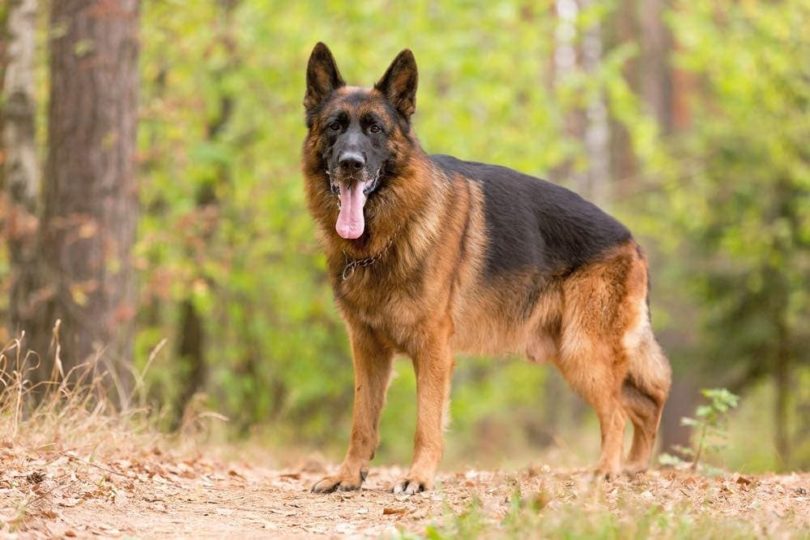
As a dog lover and veterinary expert, I‘m often asked whether certain breeds are suitable for first-time owners. One breed that comes up frequently in these conversations is the German Shepherd. Known for their intelligence, loyalty, and versatility, German Shepherds are a popular choice for many dog enthusiasts. However, they also come with certain challenges that may make them a difficult fit for some first-time owners. In this comprehensive guide, we‘ll explore the characteristics of German Shepherds and help you determine whether this breed is the right match for your lifestyle and experience level.
German Shepherd Popularity and Ownership Statistics
German Shepherds consistently rank as one of the most popular dog breeds in the United States and around the world. According to the American Kennel Club (AKC), German Shepherds were the second most popular breed in the U.S. in 2020, behind only Labrador Retrievers. They have held a spot in the top 5 most popular breeds for decades.
However, popularity doesn‘t necessarily mean a breed is right for everyone. It‘s estimated that there are over 3.5 million German Shepherds in the United States alone, but not all of these dogs are in homes well-suited to their needs. In fact, German Shepherds are often surrendered to shelters or rescue organizations due to owners being unprepared for their energy levels, training needs, and other challenges.
A study published in the Journal of Veterinary Behavior found that German Shepherds were among the breeds most commonly relinquished to shelters, along with Chihuahuas, Pit Bulls, and Labrador Retrievers. The study cited behavioral issues, housing problems, and lack of time for the dog as common reasons for surrender.
These statistics highlight the importance of doing thorough research and honest self-assessment before bringing any dog into your home, especially a high-energy, intelligent breed like the German Shepherd.
German Shepherd Temperament and Behavior
German Shepherds were originally bred as herding dogs, tasked with guiding and protecting sheep. This heritage has given them a number of valuable traits, including intelligence, loyalty, and a strong work ethic. However, these same traits can also make them challenging for first-time owners who aren‘t prepared to meet their needs.
According to the AKC, German Shepherds are confident, courageous, and smart dogs with a strong protective instinct. They bond closely with their families and can be aloof or suspicious of strangers. While they are not inherently aggressive, they do require proper socialization and training to ensure they develop into well-adjusted adult dogs.
A 2013 study published in the journal PLOS One analyzed the behavior and personality traits of over 14,000 dogs from 101 different breeds. The study found that German Shepherds scored high in traits such as trainability, stranger-directed aggression, and attachment to their owners. They scored lower in traits like energy level and ease of handling.
These findings suggest that while German Shepherds have many admirable qualities, they may not be the easiest breed for a first-time owner to handle. Their intelligence and trainability can be an asset, but their potential for aggression and strong attachment to their owners may be challenging for someone without prior dog experience.
Exercise and Training Needs
One of the most important factors to consider when deciding if a German Shepherd is right for you is their exercise and training needs. As a high-energy working breed, German Shepherds require a significant amount of daily activity and mental stimulation to stay happy and healthy.
The AKC recommends that German Shepherds get at least 2 hours of exercise per day, split into several sessions. This can include walks, runs, playtime, and training activities. Without adequate exercise, German Shepherds can become bored, destructive, and even develop behavioral issues like excessive barking or aggression.
In addition to physical exercise, German Shepherds also need plenty of mental stimulation. They thrive on having a job to do and enjoy learning new skills. Regular training sessions, puzzle toys, and interactive play can help keep their minds sharp and engaged.
As intelligent dogs, German Shepherds are highly trainable but can also be strong-willed at times. They require a confident, consistent owner who can provide firm but fair leadership. Positive reinforcement techniques, such as rewarding good behavior with treats and praise, are typically most effective for this breed.
Dr. Ian Dunbar, a world-renowned veterinarian and animal behaviorist, emphasizes the importance of early socialization and training for German Shepherds. "German Shepherds are incredibly smart and eager to learn, but they can also be easily bored and destructive if not given proper outlets for their energy," he explains. "It‘s crucial to start socialization and training early, ideally from puppyhood, to help them develop into well-mannered adult dogs."
Challenges for First-Time Owners
While German Shepherds can make wonderful companions for the right owner, they may present some challenges for first-time dog owners. Some potential difficulties include:
- Time commitment: German Shepherds require a significant time investment for daily exercise, training, and socialization. First-time owners may underestimate the amount of time and energy needed to properly care for this breed.
- Training expertise: While intelligent and trainable, German Shepherds can also be stubborn at times. First-time owners may struggle with providing consistent, effective training without guidance from an experienced professional.
- Shedding: German Shepherds have a thick, double coat that sheds heavily year-round. Regular brushing and vacuuming are necessary to keep loose fur under control.
- Size and strength: As a large, muscular breed, German Shepherds may be difficult for some first-time owners to control on walks or during play sessions.
- Cost: Owning a German Shepherd can be expensive, with costs including high-quality food, regular veterinary care, professional training, and grooming supplies.
That being said, these challenges aren‘t insurmountable for the dedicated first-time owner. With the right preparation, resources, and commitment, it‘s possible to successfully raise a well-adjusted German Shepherd even without prior dog experience.
Ideal Owner Characteristics and Living Situation
So what makes someone well-suited to owning a German Shepherd? Here are some characteristics and circumstances that can help set you up for success:
- Active lifestyle: German Shepherds thrive with owners who can provide plenty of daily exercise and outdoor adventures. If you enjoy hiking, running, or other active hobbies, a German Shepherd may be a great fit.
- Consistent schedule: German Shepherds do best with a predictable daily routine including regular mealtimes, exercise, and training sessions. Owners who work from home or have a consistent schedule may find it easier to meet their needs.
- Prior dog experience: While not a requirement, prior experience owning and training a dog can be helpful when taking on a German Shepherd. Familiarity with positive reinforcement training techniques and canine body language is a plus.
- Spacious living environment: As a large breed, German Shepherds do best in homes with plenty of indoor and outdoor space to move around. A securely fenced yard is ideal for off-leash playtime and exercise.
- Family involvement: German Shepherds bond closely with their families and enjoy being involved in daily activities. Households where multiple family members can participate in the dog‘s care and training are often a good match.
- Financial stability: Owning a German Shepherd can be expensive, with annual costs averaging $1,500-$2,000 according to a survey by the German Shepherd Dog Club of America. Financial stability is important to provide for the dog‘s needs over their lifetime.
- Commitment to training and socialization: Successful German Shepherd owners understand the importance of ongoing training and socialization throughout the dog‘s life. A willingness to attend classes, work with a professional trainer, and expose the dog to new experiences is key.
Alternatives to German Shepherds for First-Time Owners
If you‘re not sure if a German Shepherd is the right fit for your lifestyle and experience level, there are plenty of other breeds that may be a better match for first-time owners. Here are a few to consider:
- Golden Retrievers: Known for their friendly, outgoing personalities and trainability, Golden Retrievers are a popular choice for first-time owners. They are patient with children and make great family pets.
- Labradors: Like Golden Retrievers, Labrador Retrievers are friendly, trainable, and adaptable to many different living situations. They are also known for their love of swimming and fetching.
- Greyhounds: If you‘re looking for a lower-energy breed, consider a Greyhound. Despite their reputation for speed, Greyhounds are actually quite calm and lazy indoors. They require only moderate exercise and are generally easy to handle.
- Corgis: These short-legged herding dogs are intelligent, affectionate, and adaptable to many different living situations. They require regular exercise and training but are generally easier to manage than larger breeds.
- Poodles: Available in three different sizes (toy, miniature, and standard), Poodles are intelligent, trainable, and hypoallergenic. They excel in obedience and agility training and make wonderful companions for active owners.
Remember, the best breed for you will depend on your individual lifestyle, living situation, and experience level. It‘s crucial to do thorough research and carefully consider the needs of each breed before making a decision.
Making the Decision: Is a German Shepherd Right for You?
Deciding to bring a German Shepherd into your life is a big commitment that requires careful consideration. Here are some steps you can take to help determine if this breed is the right fit:
- Research the breed extensively. Read books, articles, and breed-specific resources to learn as much as you can about German Shepherds‘ history, temperament, health, and care needs.
- Talk to experienced owners. Reach out to German Shepherd owners in your area or online to hear about their experiences with the breed. Ask about the challenges and rewards of ownership.
- Meet German Shepherds in person. Attend dog shows, visit reputable breeders, or spend time with German Shepherds owned by friends or family. Observe their behavior and interact with them in different settings.
- Consider your lifestyle and living situation. Honestly assess whether you have the time, energy, and resources to provide a German Shepherd with the exercise, training, and care they need. Consider factors like your work schedule, living space, and family dynamics.
- Consult with professionals. Talk to your veterinarian, a professional dog trainer, or a German Shepherd breed expert about your interest in the breed. They can provide valuable insights and guidance based on your individual circumstances.
- Be honest about your experience level. If you‘ve never owned a dog before, a German Shepherd may not be the easiest breed to start with. Consider whether you‘re willing to invest in professional training and support to help you succeed.
Finding a German Shepherd: Breeder vs. Rescue
If you‘ve decided that a German Shepherd is the right breed for you, the next step is finding your new companion. You have two main options: buying from a reputable breeder or adopting from a rescue organization.
If you choose to buy from a breeder, it‘s important to do your research and choose a responsible, ethical breeder who prioritizes health, temperament, and welfare. Look for a breeder who:
- Performs health screenings on breeding dogs to minimize genetic disorders
- Provides documentation of health clearances, vaccinations, and pedigree
- Raises puppies in a clean, enriching environment with socialization
- Allows you to visit the breeding facility and meet the puppies and parents
- Offers a written contract and health guarantee
- Is willing to answer your questions and provide support after the sale
Avoid breeders who seem more interested in making a profit than ensuring the well-being of their dogs. Red flags include breeders who always have puppies available, won‘t let you visit the facility, or can‘t provide health and pedigree documentation.
If you prefer to adopt, there are many German Shepherd rescue organizations across the country that work to rehome surrendered or abandoned dogs. Adopting an adult German Shepherd can be a great choice for first-time owners, as the dog may already be trained and have a more settled temperament. However, it‘s important to work with a reputable rescue group that provides thorough behavioral and medical assessments of their dogs to ensure a good match.
Conclusion
German Shepherds are intelligent, loyal, and versatile dogs that can make wonderful companions for the right owner. However, they also require significant time, energy, and dedication to reach their full potential. As a first-time dog owner, it‘s important to carefully consider whether you‘re prepared to meet the breed‘s needs before bringing one into your home.
By doing thorough research, assessing your lifestyle and experience level, and seeking guidance from professionals, you can make an informed decision about whether a German Shepherd is the right fit for you. If you do choose to welcome one of these magnificent dogs into your life, be prepared to invest in their training, socialization, and care to help them thrive.
With the right preparation and commitment, owning a German Shepherd can be an incredibly rewarding experience. These devoted, intelligent dogs have a way of capturing our hearts and enriching our lives in countless ways. By providing them with the love, guidance, and care they deserve, you can build an unbreakable bond with a loyal companion that will stand by your side for years to come.