European vs American German Shepherds: A Dog Lover‘s Guide
As a lifelong dog lover and veterinarian, I‘ve always been fascinated by the German Shepherd Dog (GSD) – their majestic appearance, keen intelligence, and unparalleled working ability. But not all German Shepherds are created equal. In this article, we‘ll dive into the key differences between European and American lines of this incredible breed, with a special focus on the European German Shepherd.
A Brief History of the German Shepherd
To understand the split between European and American German Shepherds, we need to go back to the breed‘s origins. GSDs were first developed in Germany in the late 1800s by Captain Max von Stephanitz, who sought to create the ultimate herding and working dog.
Von Stephanitz carefully selected shepherd dogs from the central and northern districts of Germany, focusing on traits like intelligence, strength, loyalty, and working drive. He began refining the breed through selective breeding, and in 1899, he founded the Verein für Deutsche Schäferhunde (SV), or German Shepherd Dog Club, to maintain breed standards.
Some of the foundation dogs that shaped the GSD breed include:
- Horand von Grafrath (formerly Hektor Linksrhein) – the first registered GSD and genetic basis for the breed
- Hektor von Schwaben – known for his hardness, sharpness and fighting drive
- Beowulf – famous gray sire who passed on his coloring
- Pilot – credited with improving the breed‘s gait and elegance
Under von Stephanitz‘s guidance, the German Shepherd quickly gained popularity as a versatile working dog. They served in the German military in World War I and later spread around the world, prized for their intelligence and trainability.
The Split Between American and European Lines
As the German Shepherd breed expanded to the United States and other countries, different breeding priorities emerged. In Europe, the focus remained on preserving the GSD as a working dog. Breeding programs emphasized health, temperament, and working ability over appearance.
However, in the United States, some breeders began to prioritize the dog‘s looks and movement for the show ring. The American Kennel Club (AKC) breed standard favored a more angulated back and hind legs, as well as a sloping topline. This "German Shepherd slope" became exaggerated over time, leading to concerns about the breed‘s health and functionality.
Today, there is a noticeable split between show line German Shepherds bred for conformation and working line dogs bred for performance. And within working lines, there are differences between American working dogs and European working dogs, particularly those from Germany and the Czech Republic.
Physical Differences Between European and American German Shepherds
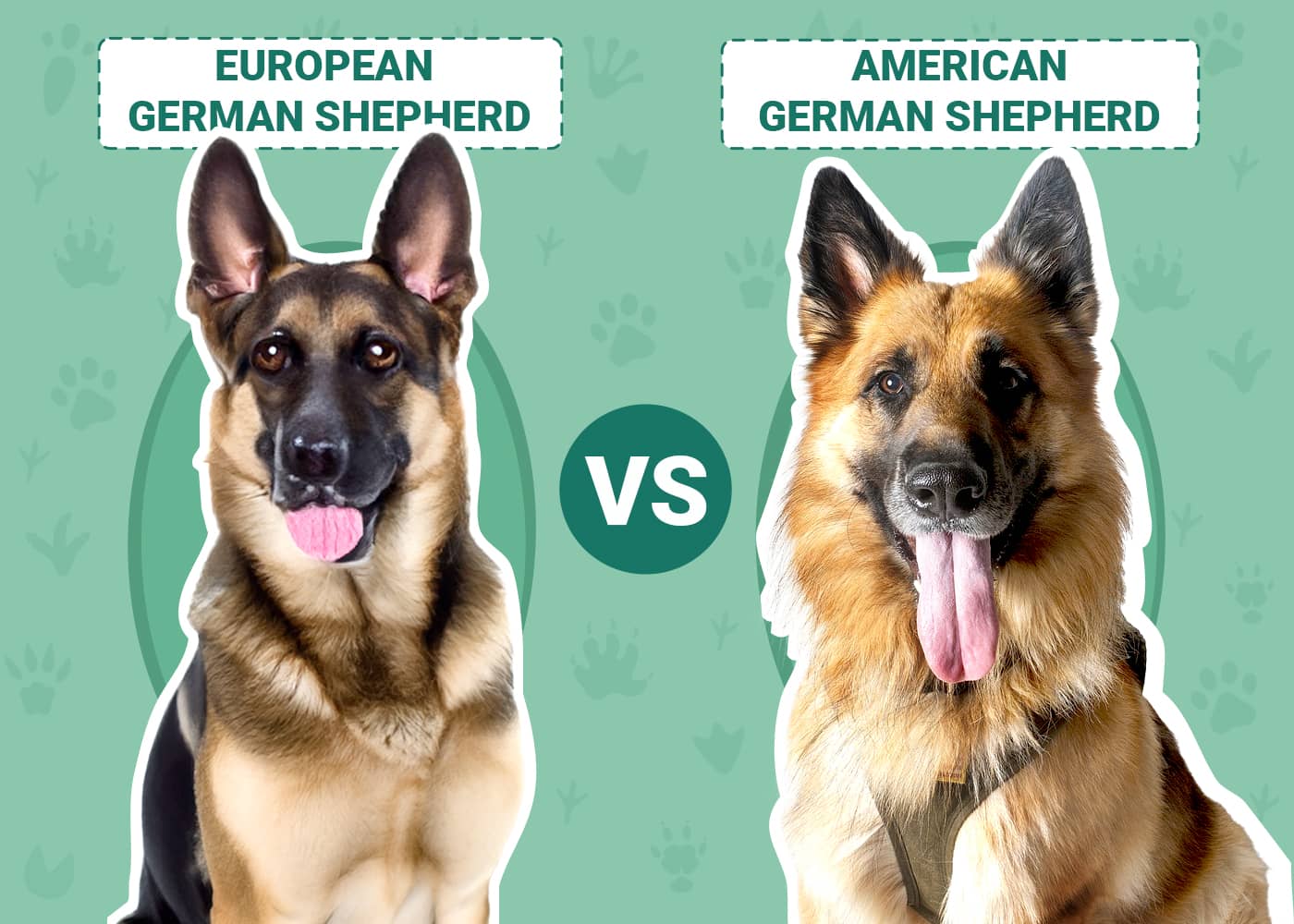
One of the most obvious differences between European and American German Shepherds is their appearance. European GSDs tend to have a more functional, athletic build compared to the American show lines.
Some key physical characteristics of European German Shepherds include:
- Straighter topline with little to no slope from withers to croup
- Moderate rear angulation allowing for efficient, enduring movement
- Thick, dense bones and sturdy muscles designed for stamina
- Dark, rich pigmentation with a black mask and saddle
- Compact, tight-knit paws suited for gripping and maneuvering
In contrast, American show line GSDs often display:
- Extreme rear angulation and slope to the hind legs
- Elongated, thinner bone structure
- Lighter coloring, including tan, liver, or sable shades
- A longer, more refined head shape
Of course, there is individual variation within each type. But in general, European GSDs have a more balanced, functional structure while American show lines tend towards a flashier, exaggerated appearance.
Here is a side-by-side comparison photo showing a European working line GSD (left) and an American show line GSD (right):
[Insert comparison photo]Size and Weight of European German Shepherds
According to the SV breed standard, male European German Shepherds should stand 60-65 cm (23.6-25.6 inches) at the withers and weigh 30-40 kg (66-88 lbs). Females should stand 55-60 cm (21.7-23.6 inches) and weigh 22-32 kg (48.5-70.5 lbs).
| Sex | Height (cm) | Height (inches) | Weight (kg) | Weight (lbs) |
|---|---|---|---|---|
| Males | 60-65 | 23.6-25.6 | 30-40 | 66-88 |
| Females | 55-60 | 21.7-23.6 | 22-32 | 48.5-70.5 |
However, some working line European GSDs may be slightly larger or heavier than the standard depending on their specific bloodlines and purpose. For example, border patrol or police K9s may be bred for a bigger, more powerful build.
European German Shepherd Temperament and Working Ability
The European German Shepherd is prized for its stable, courageous temperament and strong working drives. Bred for generations as a versatile working dog, the European GSD excels in a variety of roles such as law enforcement, military, protection, search and rescue, competitive sports, and service work.
Some key aspects of the European GSD temperament include:
- High intelligence and trainability
- Loyalty and desire to work closely with a handler
- Protective instincts and willingness to defend
- Alert, confident disposition with a degree of aloofness toward strangers
- Resilience to stress and environmental pressures
- Strong prey and fight drives balanced with clear-headed obedience
These traits are carefully cultivated and tested in European breeding programs. In Germany, the SV has a rigorous system of breed surveys, conformation ratings, and working titles that dogs must acquire in order to be bred.
Some of the most coveted working titles in Europe include:
- IPO/IGP (International Prüfungsordnung) – tests tracking, obedience, and protection
- Schutzhund – a German word meaning "protection dog", similar to IPO
- Körung – a breed survey to evaluate conformation, temperament, and working ability
- FH (Fährtenprüfung) – advanced tracking titles
Earning these titles is no easy feat – it requires countless hours of training and a dog with the right drives, nerves, and genetic potential. Breeders use these titles to select the best possible breeding stock and produce the next generation of top working dogs.
As a result, European German Shepherds are known for their exceptional trainability, work ethic, and mental stability. They are highly responsive to their handlers and can switch gears quickly between aggression and obedience. With proper training and socialization, they make reliable, clear-headed partners in high-stress situations.
Health of European German Shepherds
The SV‘s strict breeding regulations and focus on functional structure have contributed to generally better health in European working lines compared to American show lines. However, like all large breeds, GSDs are still prone to certain health issues such as hip and elbow dysplasia, bloat, and degenerative myelopathy.
Responsible European breeders take great care to screen their breeding stock for genetic health problems. The SV requires dogs to have hip and elbow certifications in order to be bred, and many breeders also test for conditions like degenerative myelopathy.
Thanks to these screening measures, the incidence of hip dysplasia in European GSDs is estimated to be only around 8%, compared to nearly 20% in American lines. A 2013 study published in the journal Veterinary Medicine Austria found that German Shepherds from working lines had significantly lower rates of hip dysplasia than those from show lines.
As an owner, you can help support your European GSD‘s health through proper nutrition, exercise, and preventive care. Feed a high quality diet formulated for large breeds, maintain a lean body weight, and provide joint supplements like glucosamine and chondroitin. Regular grooming, dental care, and check-ups with your vet will also help keep your dog in top shape.
Owning a European German Shepherd
With their intelligence, loyalty, and impressive working abilities, European German Shepherds can make exceptional companions for the right owner. However, these dogs are not for everyone. Their high energy level, demanding exercise needs, and strong protection drives require an experienced, committed owner.
As a veterinarian, I always advise potential GSD owners to carefully consider their lifestyle and experience level before getting one of these dogs. European GSDs need plenty of daily exercise (both mental and physical), ongoing training, and a clear job to do. They can easily become bored and destructive without enough stimulation and direction.
Ideally, European GSDs should be placed in working homes or with owners who are dedicated to training and titling them in a dog sport. They also make excellent active companions for people who enjoy hiking, running, biking, or other outdoor adventures. With proper training and socialization, they can even excel as loyal family protectors and guardians.
If you think a European German Shepherd might be right for you, be sure to do your research and choose a reputable breeder. Look for breeders who health test their dogs, compete in working sports, and prioritize temperament and function over appearances. Expect to pay anywhere from $1500-$5000+ for a well-bred European GSD puppy.
Raising and training a high-drive working dog like a European GSD is no small feat, but the rewards are immense. With their keen intelligence, unwavering loyalty, and incredible versatility, these dogs will exceed your expectations in any task you set before them. As a dog lover, I can‘t help but admire the European German Shepherd and all that they represent as a breed. They truly are the ultimate working dog.