Gentle Giants: A Guide to Newfoundland Dog Breed Mixes
Introduction
There‘s something undeniably captivating about a Newfoundland dog. These massive, fluffy, bear-like dogs are known for their gentle dispositions, intelligence, and strength. Bred on the island of Newfoundland to help fishermen with water rescue and pulling in heavy nets, Newfies have become beloved companions around the world.
But what happens when you mix a Newfoundland with another breed? The result is often a unique and wonderful dog that combines the best traits of both parent breeds. Newfoundland mixes are becoming increasingly popular as people discover the appeal of a giant breed with a special twist.
As a veterinarian and lifelong dog lover, I‘ve had the pleasure of meeting many Newfoundland mixes over the years. From the popular Newfypoo to the rare Newfoundland-Cane Corso mix, these dogs never fail to impress with their striking looks, fun-loving personalities, and devotion to their families.
In this comprehensive guide, we‘ll take a closer look at some of the most intriguing Newfoundland mixes out there, exploring their history, characteristics, grooming and exercise needs, and potential health concerns. Whether you‘re considering adding a Newfoundland mix to your family or are simply curious about these gentle giants, read on to learn more.
Why Newfoundland Mixes?
You may be wondering – why not just get a purebred Newfoundland? While Newfies are indeed incredible dogs, there are a few reasons why someone might prefer a Newfoundland mix:
-
Unique look: Mixing a Newfoundland with another breed can result in a dog with a one-of-a-kind appearance, such as the striking black and white coat of a Landseer Newfoundland (a Newf mixed with a different coat color pattern).
-
Specific traits: If you love Newfoundlands but also admire certain traits of other breeds, a mix can provide the best of both worlds. For example, a Newfoundland-Poodle mix may have the hypoallergenic coat of a Poodle with the gentleness of a Newf.
-
Varied size: While most Newfoundland mixes are still quite large, some may be slightly smaller than the average purebred Newf (which can weigh up to 150 pounds or more). A Newfoundland-Golden Retriever mix might be a bit less giant.
-
Health benefits: Purebred dogs can be more prone to certain genetic health issues due to limited gene pools. Mixing breeds introduces more genetic diversity which can lead to hybrid vigor and potentially healthier dogs.
Of course, it‘s important to note that mixed breed dogs can still inherit health issues from either parent breed, which is why finding a responsible breeder who conducts genetic testing is so important (more on that later).
Meet the Newfoundland
Before we dive into the different mixes, let‘s review what makes Newfoundlands so special. According to the American Kennel Club breed standard, Newfoundlands are "sweet-dispositioned, gentle and trainable dogs" that possess "dignity, strength, and good nature."
Newfoundland Physical Characteristics
- Height: 26-28 inches (male), 24-26 inches (female)
- Weight: 130-150 pounds (male), 100-120 pounds (female)
- Coat: Thick, dense double coat that can be black, brown, gray, or white-and-black (Landseer). Regular brushing is a must to prevent matting and reduce shedding.
- Head: Large, broad head with small, soft expression. Ears are relatively small and triangular.
- Body: Massive, muscular body with a deep chest, straight back, and strong legs. Webbed feet make them excellent swimmers.
Newfoundland Temperament
The Newfoundland‘s most endearing quality is arguably their sweet, gentle temperament. They are known for being patient and tolerant with children, making them excellent family pets.
Newfies are also typically very trainable and eager to please, although their large size and strength means early training and socialization is a must to prevent unintentional bumping or knocking over of objects (or people).
While Newfoundlands are generally friendly and outgoing, they can be somewhat aloof with strangers and have a deep bark that makes them good watchdogs. However, they are not aggressive by nature and prefer to keep the peace.
Newfoundland Exercise and Grooming Needs
Despite their large size, Newfoundlands don‘t require a tremendous amount of exercise. A couple walks per day plus some playtime will usually suffice, as they are not high energy dogs. However, Newfies do love to swim and pulling activities like cart-pulling, so providing opportunities to enjoy the water or use their strength is a great idea.
Newfies are also famous for their drool, so be prepared for some slobber! Regular dental care can help reduce drool and keep teeth healthy.
In terms of grooming, Newfoundlands have thick double coats that require brushing several times per week to prevent matting and remove loose fur. They shed moderately throughout the year and more heavily during shedding season. Periodic visits to a groomer can help keep their coats in good shape.
Newfoundland Health
Like many large and giant breeds, Newfoundlands can be prone to certain health issues, including:
- Hip and elbow dysplasia
- Heart conditions like cardiomyopathy and subaortic stenosis
- Certain cancers like osteosarcoma
- Bloat (gastric torsion)
- Cruciate ligament rupture
- Eye problems like cherry eye and cataracts
Responsible breeders will screen their dogs for these issues and provide health clearances. It‘s also important to feed Newfoundland puppies a special large breed growth food to support healthy development.
With proper care, nutrition, and regular vet check-ups, Newfoundlands can live 8-10 years on average.
Popular Newfoundland Mixes
Now that you have a sense of what makes Newfoundlands so wonderful, let‘s explore some of their most popular mixes.
1. Newfypoo (Newfoundland x Poodle)
The Newfypoo, also known as a Newfiedoodle or Poofoundland, is a highly sought-after mix that combines the intelligence and low-shedding coat of a Poodle with the gentle, trainable nature of a Newfoundland.
- Height/Weight: A Newfypoo generally stands 20-29 inches tall and can weigh anywhere from 70-150 pounds depending on the size of the Poodle parent (Standard, Moyen, or Miniature).
- Coat: Newfypoos usually have medium-length wavy or curly coats with the potential for minimal shedding if they inherit more of the Poodle coat. Common colors include black, brown, gray, apricot, and parti.
- Temperament: This mix is known for being friendly, social, and trainable. They tend to be playful and energetic like Poodles while also inheriting the patience and gentleness of the Newfoundland.
- Exercise: Newfypoos require moderate daily exercise such as long walks, swimming, or play sessions. Mental stimulation is also important to keep their intelligent minds engaged.
- Grooming: Regular brushing and professional grooming every 8-12 weeks is a must to maintain a Newfypoo‘s curly coat and prevent matting.
- Health: Like all mixes, Newfypoos can inherit health issues common to both parent breeds such as hip dysplasia, heart conditions (from the Newf side) and bloat, epilepsy, and eye disorders (from the Poodle side).
- Lifespan: 9-12 years
2. Labrafoundland (Labrador x Newfoundland)
Labrador Retrievers and Newfoundlands actually share some history, as both were bred on the island of Newfoundland to help fishermen with water work. Mixing the two results in a friendly, active, water-loving dog.
- Height/Weight: Labrafoundlands are typically 25-28 inches tall and weigh 65-130 pounds. They have large, strong bodies with broad heads and thick, otter-like tails.
- Coat: The Labrafoundland‘s dense double coat can be short like a Lab‘s or longer like a Newfie‘s, and is usually black, brown, or yellow. Expect moderate to heavy shedding.
- Temperament: Both parent breeds are known for being outgoing, trainable, and excellent with children, so a Labrafoundland is likely to be a friendly, stable family pet. They tend to be more energetic than a purebred Newf.
- Exercise: This mix needs plenty of daily exercise, including long walks, swimming, and fetching. They excel at canine sports like agility and dock diving.
- Grooming: Weekly brushing and periodic baths will help keep a Labrafoundland‘s coat clean and healthy. They may drool quite a bit, so keep a drool rag handy!
- Health: Potential health concerns include hip and elbow dysplasia, heart conditions, eye problems, and exercise-induced collapse. Puppies need a slow-growth diet to prevent joint issues.
- Lifespan: 8-12 years
3. Saint Bernewfie (Saint Bernard x Newfoundland)
The Saint Bernewfie is a giant among giants, combining two of the largest, most powerful, and most gentle breeds around. These enormous dogs are sure to turn heads and steal hearts.
- Height/Weight: A Saint Bernewfie can easily reach 30+ inches tall and weigh upwards of 180 pounds. Females may be slightly smaller but are still very large dogs.
- Coat: This mix inherits a thick, dense double coat from both parent breeds, usually in shades of brown, red, and white. Shedding will be significant and regular brushing is a must.
- Temperament: Saint Bernards and Newfoundlands are both known for their calm, patient, nanny-like personalities. A Saint Bernewfie is likely to be a gentle giant that is great with kids but may be aloof with strangers.
- Exercise: While they don‘t need a ton of exercise, Saint Bernewfies do best with a large, securely fenced yard where they can roam and play. Daily walks and the occasional swim are also ideal.
- Grooming: Be prepared for drool – both Saint Bernards and Newfs are notorious droolers! Regular tooth brushing and wiping of the face can help. Their dense coats will also need brushing several times a week.
- Health: Like all giant breeds, Saint Bernewfies can be prone to orthopedic issues like hip dysplasia, as well as heart conditions, bloat, and certain cancers. Responsible breeding and preventive care are musts.
- Lifespan: 6-10 years
According to the Newfoundland Club of America, mixing Newfoundlands with other breeds became more common in the 1980s as breeders sought to create more varied looks and sizes. Some other popular Newfoundland mixes you may come across include:
- Bernefie (Bernese Mountain Dog x Newfoundland): Striking tricolored coat, strong work ethic, gentle family dog
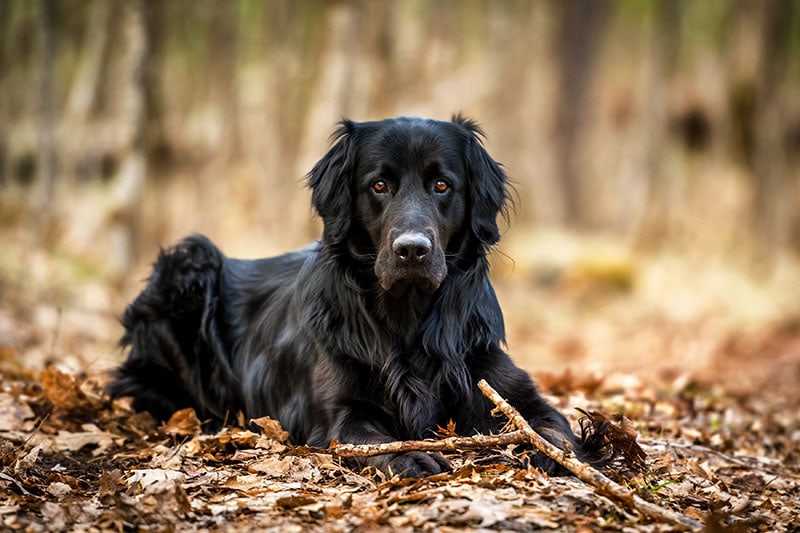
- Newfador (Flat-Coated Retriever x Newfoundland): Energetic, water-loving, often solid black
- Golden Newfie (Golden Retriever x Newfoundland): Friendly, trainable, makes a great therapy dog
- Newfshar (Shar Pei x Newfoundland): Unique wrinkled skin, loyal, protective nature
- Newfdoodle (Newfoundland x Goldendoodle): Fluffy teddy bear look, intelligent, less shedding
Finding a Newfoundland Mix Breeder
If you‘ve fallen in love with one of these gentle giant mixes, your next step is to find a responsible breeder. Mixed breed dogs are not recognized by major breed registries like the AKC, so it‘s up to you to do your homework and ensure you‘re working with an ethical breeder.
Some tips:
- Seek out breeders who specialize in Newfoundland mixes and are knowledgeable about both parent breeds.
- Ask for health clearances on the parent dogs, especially for issues like hip dysplasia and heart conditions. Responsible breeders will be upfront about health testing.
- Observe the living conditions of the parent dogs and puppies. They should be clean, spacious, and enriching.
- Meet the parent dogs if possible to get a sense of their temperaments and ensure they are friendly and well-socialized.
- Be wary of breeders who always have puppies available or cannot provide detailed information about their breeding program. Responsible breeding takes time.
- Consider adopting a Newfoundland mix from a rescue organization. Many wonderful mixes end up in shelters and deserve loving homes.
Living with a Newfoundland Mix
As with any dog, living with a Newfoundland mix has its joys and challenges. Some key things to keep in mind:
- Space: Newfoundland mixes are large to giant-sized dogs that take up a lot of room. Be sure you have adequate indoor and outdoor space for your gentle giant to sprawl out.
- Training: While generally trainable, Newfoundland mixes can be somewhat stubborn and slow to mature. Patience, consistency, and positive reinforcement are key. Enrolling in puppy classes is highly recommended.
- Grooming: Most Newfoundland mixes have thick double coats that shed heavily. Regular brushing, periodic baths, and even professional grooming may be necessary. Invest in a good vacuum and lint rollers!
- Expenses: Giant breed dogs tend to be more expensive to care for, from food to veterinary bills to supplies. Be prepared for higher costs, especially if health issues arise.
- Travel: Taking a road trip or flying with a giant dog can be tricky. You‘ll need an extra large crate and may have to deal with breed restrictions. Fortunately, many Newfoundland mixes love car rides!
That said, Newfoundland mixes also bring immense joy to their families. They are known for their loving, gentle personalities and goofy antics. Snuggling up with a 130-pound lap dog is an experience like no other!
Conclusion
Newfoundland mixes offer a unique twist on the traditional gentle giant breed. From the popular Newfypoo to the rare Saint Bernewfie, these dogs come in a range of sizes, looks, and personalities.
What they all tend to have in common is a sweet, trainable nature, love of family, and impressive size.
If you‘re considering adding a Newfoundland mix to your life, be prepared for a lot of dog – both in size and personality! These gentle giants require plenty of space, training, grooming, and love.
But for the right family, a Newfoundland mix can be an incredibly rewarding companion. With their big hearts and even bigger paws, these dogs have a way of winning people over with their unique charms.
As a veterinarian, my best advice is to do your research, find a responsible breeder, and be prepared for the commitment of caring for a giant breed dog. With proper nutrition, exercise, training and preventive care, a Newfoundland mix can live a long, happy, drool-filled life by your side.