How Aggressive Are Havanese Dogs? A Dog Lover‘s Perspective
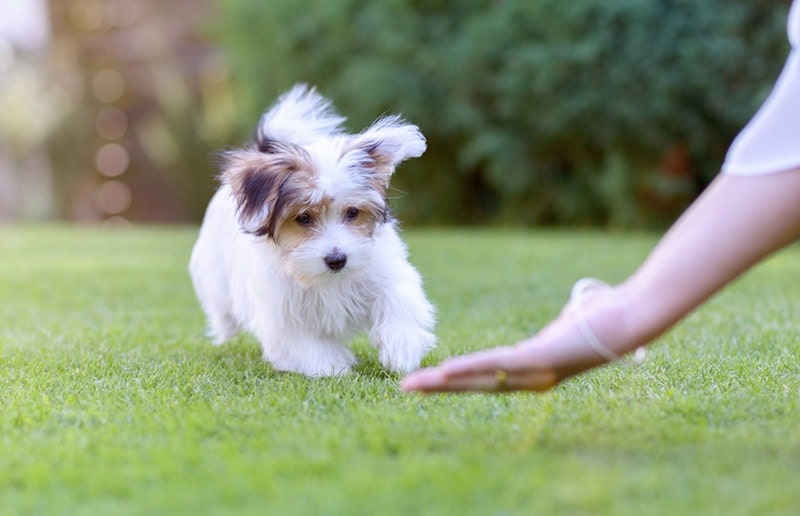
As a devoted dog lover and veterinary professional, I‘ve had the pleasure of working with many Havanese over the years. These charming little dogs, with their silky coats, expressive eyes, and springy gaits, have a special place in my heart. While the Havanese is not typically an aggressive breed, it‘s important for owners and prospective owners to understand what may contribute to aggressive behavior in any dog, and how to prevent or manage it. Let‘s dive into the topic of Havanese aggression from a caring, canine-centric perspective.
A Brief History of the Havanese Breed
The Havanese descended from the now-extinct Bichon Tenerife, a small companion dog brought to Cuba by Spanish colonists in the 1500s. These dogs likely interbred with other small breeds on the island, resulting in the Havanese we know today. The Havanese served as devoted companions to Cuban aristocrats and wealthy planters, and later as performing dogs in European circuses.
Throughout their history, the Havanese were bred to be amiable, adaptable companions. While they retain some watchdog instincts from their Bichon ancestry, overt aggression towards people was never a desirable trait. This selective breeding for friendliness is a key reason why Havanese generally have such sweet, social temperaments today.
Havanese Breed Temperament
The ideal Havanese temperament is described as intelligent, outgoing, and eager to please. These little charmers typically love being the center of attention and thrive on human interaction. Havanese are often called "velcro dogs" because they stick close to their owners and hate being left alone. They are also known for their clownish antics and ability to learn tricks, making them beloved companions and show dogs.
While every dog is an individual, Havanese as a breed consistently score well on temperament assessments. In a 2008 study published in the journal Applied Animal Behavior Science, Havanese ranked among the top 20% of breeds for social engagement with strangers and low owner-directed aggression. They also showed very low territorial aggression and dog-directed fear or aggression compared to many other small breeds.
So what accounts for the friendly, non-aggressive nature of most Havanese? Genetics certainly play a role. Reputable Havanese breeders prioritize sound temperament and carefully select breeding stock for traits like sociability, trainability, and lack of fearfulness. However, genetics are only one piece of the puzzle. How a Havanese is raised, socialized, and trained also has a significant impact on their behavior.
Nature vs. Nurture: Causes of Aggression in Havanese
Like any dog, a Havanese may show aggression in certain contexts if their needs are not being met or they have had negative experiences. Some common causes of aggression in Havanese include:
Lack of Socialization
Havanese puppies have a critical socialization window from 3-16 weeks old. During this time, it‘s crucial for them to have positive experiences with a wide variety of people, animals, and environments. A well-socialized Havanese puppy is more likely to grow into a confident, well-adjusted adult.
Conversely, a Havanese who misses out on early socialization may be fearful or reactive in new situations. Fear is a leading cause of aggression in dogs, as a scared dog may resort to growling, snapping, or biting to make a perceived threat go away. This is why it‘s so important for Havanese breeders and owners to prioritize socialization from an early age.
Inconsistent or Aversive Training
Havanese are sensitive, intelligent dogs who respond best to positive reinforcement training. Harsh corrections, scolding, or physical punishment can damage the trust between a Havanese and their owner and lead to fear or defensiveness. Inconsistent rules and boundaries can also be confusing and stressful for these dogs.
Using science-based, force-free training methods is the best way to encourage good behavior and create a strong bond with your Havanese. Reward-based training helps Havanese feel safe and builds their confidence, making them less likely to react aggressively out of fear or frustration.
Resource Guarding
Resource guarding is a common cause of aggression in dogs, and Havanese are no exception. This behavior involves a dog growling, lunging, or snapping to protect a valued resource like food, toys, or sleeping areas from perceived threats (people or other animals). While resource guarding is a natural behavior for dogs, it becomes a problem when a dog is willing to bite to defend their "stuff."
Havanese may be more prone to resource guarding if they have had to compete for resources in the past (such as in a puppy mill or hoarding situation), or if they have been repeatedly punished for growling or other warning signs. Luckily, resource guarding is a behavior that can often be improved with counter-conditioning and teaching a dog to enjoy people approaching their food or toys.
Medical Issues
Pain or discomfort can cause even the friendliest Havanese to become irritable and more likely to lash out. Chronic pain from conditions like dental disease, arthritis, or orthopedic issues is a common culprit. Neurological problems, vision or hearing loss, and cognitive dysfunction in senior dogs may also contribute to aggression.
Some medical issues that may cause aggression in Havanese include:
- Luxating patellas: the kneecap slips out of place, causing pain and lameness
- Legg-Calvé-Perthes disease: degeneration of the hip joint, leading to arthritis
- Chondrodysplasia: abnormal cartilage and bone development, can result in joint pain
- Hypothyroidism: low thyroid hormone levels can cause behavior changes
- Liver shunt: a congenital defect affecting the liver and brain, may cause neurological signs
If your usually sweet Havanese suddenly becomes grouchy or aggressive, a thorough veterinary exam is in order to rule out hidden pain or illness. Once any medical issues are addressed, behavior often improves.
Signs of Stress or Discomfort in Havanese
Aggression is often a last resort for dogs who feel threatened or uncomfortable. By recognizing the subtle signs that your Havanese is stressed, you can intervene before the situation escalates. Some body language cues that a Havanese is feeling uneasy include:
- Lip licking or yawning
- Whale eye (showing the whites of the eyes)
- Lowered head or body
- Ears flattened back against head
- Tail tucked under
- Freezing or suddenly going very still
- Looking or moving away from a person or animal
- Lifting a front paw
If you notice these signs, calmly remove your Havanese from the stressful situation if possible. Pushing a dog to "face their fear" will likely only make them more upset. Let your dog set the pace for interactions and work on counter-conditioning and desensitization with a positive trainer if needed.
Building a Bond with Your Havanese
The Havanese is a breed that thrives on human companionship. They are happiest when they can be with their favorite people, whether that means cuddling on the couch, going for a walk, or learning a new trick. Building a strong bond with your Havanese through positive interactions and force-free training will boost their confidence and help prevent fear or aggression.
Some ways to strengthen your relationship with your Havanese include:
- Engage in daily play sessions with toys
- Teach tricks and obedience cues using rewards like treats or praise
- Go to a positive reinforcement-based training class together
- Give your Havanese a food puzzle or long-lasting chew to enjoy in your presence
- Groom and massage your Havanese regularly (if they enjoy it)
- Participate in dog sports like rally, agility, or nose work as a team
The more positive experiences your Havanese has with you, the more they will trust and look to you for guidance in uncertain situations. A strong owner-dog bond is the foundation for a well-behaved, emotionally resilient Havanese.
Management Tips for Havanese Households
In addition to training and socialization, management is key to preventing aggression in Havanese households. Management means arranging the environment to set the dog up for success and prevent them from practicing undesirable behaviors.
Some management tips for Havanese include:
- Use baby gates or pens to separate your Havanese from guests or other animals if needed
- Put away high-value chews or food toys when you can‘t supervise
- Teach children to respect the dog‘s space and leave them alone when eating or sleeping
- Provide a comfortable crate or bed where your Havanese can retreat if overwhelmed
- Avoid putting your Havanese in crowded or overstimulating situations they aren‘t ready for
- Stick to positive reinforcement and avoid punishment-based training techniques
For multi-dog households, it‘s important to introduce a new Havanese slowly and supervise their interactions with resident dogs. Teach the dogs to take turns with toys and attention, and separate them at mealtimes if there is any food guarding. With cats, do gradual introductions and make sure the cat has escape routes and high perches to avoid the dog if needed.
Havanese as Therapy Dogs
The friendly, outgoing nature of Havanese makes them wonderful candidates for therapy dog work. These little dogs seem to have a sixth sense for when someone needs comfort, and they excel at bringing smiles to people‘s faces. Many Havanese serve as therapy dogs in hospitals, nursing homes, schools, and other settings.
Therapy dogs must have a rock-solid temperament, as they may encounter stressful sights, sounds, and smells in their work. A good therapy Havanese should be confident, adaptable, and able to handle being petted and hugged by strangers. While not every Havanese is cut out for therapy work, those who are provide invaluable emotional support to people in need.
The Bottom Line on Havanese Aggression
In conclusion, the Havanese breed as a whole is not prone to aggression. These playful, affectionate dogs were bred to be friendly companions, and most love nothing more than being with their people. With proper socialization, training, and management, the vast majority of Havanese will never show serious aggression.
However, it‘s important to remember that any dog can bite given the "right" circumstances – usually a combination of fear, pain, and feeling trapped. Respect your Havanese‘s communication and work to build their trust in you as a benevolent leader. If you are concerned about your Havanese‘s behavior, don‘t hesitate to consult with a qualified positive trainer or veterinary behaviorist for guidance.
As a fellow Havanese lover, I encourage you to enjoy your little companion to the fullest. Provide them with plenty of positive experiences, consistent training, and loving leadership. In return, you will have a devoted friend who brings joy and laughter to your life for many years to come. While no breed is perfect, the Havanese comes pretty close – at least in this dog lover‘s book!