The Pitmatian: A Loyal and Loving Pitbull Dalmatian Mix
The Pitmatian is an eye-catching and charismatic cross between two very different purebreds: the spotted Dalmatian and the muscular American Pit Bull Terrier. While you may not see this unique mixed breed very often, those lucky enough to share their lives with a Pitmatian know just how special these dogs can be. With the energetic and friendly nature of the Pitbull and the dignity and loyalty of the Dalmatian, Pitmatians make devoted family companions for the right homes.
In this comprehensive guide, we‘ll take an in-depth look at the Pitmatian dog breed, from their physical characteristics and personality traits to their health, grooming, and training needs. You‘ll also find expert tips on how to determine if the Pitmatian is the right dog for your lifestyle and how to raise a happy, well-behaved pup.
Pitmatian Characteristics
Because the Pitmatian is a relatively new and still rare mixed breed, their appearance and temperament can vary quite a bit depending on which parent breed they take after more. In general, you can expect a Pitmatian to be a medium-to-large dog with a muscular, athletic build. Most weigh between 30 and 70 pounds and stand 18-24 inches tall at the shoulder when fully grown.
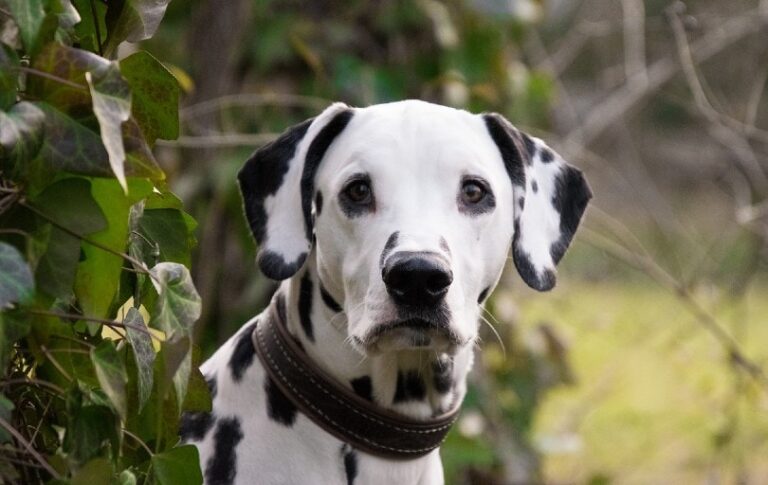
One of the most appealing physical features of Pitmatians is their unique coat. They typically have the short, sleek coat of the Pitbull but with the distinct spots or speckles of the Dalmatian. Coat colors can include black, liver, blue, or brindle spots on a white background. Some may have more subtle ticking while others sport large, well-defined spots.
As for their facial features, Pitmatians often have the broad, square-shaped head, muscular jaws, and round eyes of the Pitbull with the long muzzle, floppy ears, and alert expression of the Dalmatian. Their tail is usually medium-length and tapers to a point.
Pitmatian Temperament and Personality
The Pitmatian‘s temperament is a blend of the friendly, goofy, people-pleasing Pitbull and the more serious, dignified, and aloof Dalmatian. Most Pitmatians are highly affectionate with their families and love being the center of attention. They crave human companionship and will follow you from room to room, eager to be involved in all of your daily activities.
Pitmatians tend to be very playful dogs who retain a puppy-like enthusiasm and zest for life well into adulthood. They have a mischievous streak and seem to love making their humans laugh with their clownish antics and endearingly dopey expressions. Pitties are also known for being quite talkative, so don‘t be surprised if your Pitmatian greets you with plenty of whines, grumbles, and grunts in addition to the usual barks and howls.
While Pitmatians adore their immediate family and trusted friends, they can be more hesitant around strangers, a trait inherited from the Dalmatian side. Without proper socialization, some Pitmatians may become overly suspicious or fearful in new environments or when meeting unfamiliar people and dogs.
For this reason, it‘s essential to expose your Pitmatian puppy to a wide variety of positive experiences from a young age – take them to puppy classes, the dog park, outdoor restaurants, and anywhere else they can interact with new sights, sounds, smells, people and animals. Reward them with plenty of praise and high-value treats to build a positive association with novel stimuli.
With their high intelligence and eagerness to please, Pitmatians tend to be very trainable dogs who excel at obedience, agility, scent work, and other dog sports. They need a confident owner who can provide calm, consistent leadership and establish clear boundaries. Positive reinforcement methods work best with this sensitive breed – harsh corrections will only damage your bond and may lead to fear or aggression.
Ideal Living Situation for a Pitmatian
The energetic, athletic Pitmatian is best suited to an active household where they will receive plenty of daily exercise and mental stimulation. A home with a securely fenced yard where they can run and play is ideal, but apartment living is feasible if you commit to plenty of walks, runs, and trips to the dog park.
Pitmatians can get along well with children if raised together and socialized properly. However, their exuberant nature and strong, muscular build means they could easily knock over a small child during play. As with any dog, always supervise interactions between your Pitmatian and kids.
The Pitbull parent breed was originally developed for fighting, which means some Pitmatians may show aggression toward other dogs, especially those of the same sex. Proper training and socialization from puppyhood is essential to teach your Pitmatian good canine manners. Even so, some may do best as the only pet in the household or when paired with a canine companion of the opposite sex. Their high prey drive also means homes with cats or small animals are not advised.
Pitmatian Training and Exercise Needs
As mentioned above, the intelligent Pitmatian is typically eager to learn and highly trainable. Start teaching basic obedience commands like sit, down, stay, come, and leave it as soon as you bring your puppy home. Keep training sessions short and fun, ending on a positive note with lots of praise and rewards.
Pitmatians need at least an hour of physical exercise per day, broken up into a couple of walks/play sessions. They make excellent running, hiking, and bicycling companions. Participating in dog sports like flyball, disc dog competitions, dock diving, and weight pulling are great ways for this athletic breed to burn off steam while strengthening the bond with their owner.
Mental exercise is just as crucial as physical activity for the smart Pitmatian. Puzzle toys, food-stuffed Kongs, games of hide-and-seek, and nose work are all excellent boredom busters. A Pitmatian left alone for long periods without enough exercise and mental stimulation is likely to develop nuisance behaviors like excessive barking, chewing, digging, or attempting to escape.
Pitmatian Grooming and Care
The Pitmatian‘s short, sleek coat is relatively low-maintenance, but they do shed moderately year-round. Brushing a few times a week with a rubber curry brush or bristle brush will help remove loose fur and keep their coat looking shiny and healthy. Occasionally bathing with a gentle, moisturizing shampoo will help keep the skin and coat in top condition.
Other grooming needs include regular nail trims, ear cleaning, and tooth brushing. Start getting your Pitmatian used to having their paws, ears, and mouth handled from a young age so these grooming tasks will be easy and stress-free.
Pitmatian Health and Lifespan
As a mixed breed, Pitmatians may be less likely to inherit certain genetic disorders that affect their purebred parent breeds. However, they are still at risk for some health conditions, including:
- Hip dysplasia
- Elbow dysplasia
- Heart disease
- Hypothyroidism
- Allergies
- Skin infections
- Eye problems like cataracts and progressive retinal atrophy
Choosing a Pitmatian puppy from a responsible breeder who health tests their dogs can help reduce the risk of inherited health issues. And of course, feeding a high-quality diet, keeping your dog at a healthy weight, providing regular exercise, and visiting the vet for check-ups will all help ensure a long, healthy life for your Pitmatian. Their average lifespan is around 12-14 years.
Diet and Nutrition for the Pitmatian
Feed your Pitmatian a high-quality, nutritionally balanced dog food formulated for their life stage (puppy, adult, or senior). Look for a food that lists a high-quality animal protein source like chicken, beef, or fish as the first ingredient.
Because the Pitmatian‘s Pitbull parent breed is prone to food allergies, you may want to avoid foods that contain common allergens like wheat, corn, soy, and beef. If your Pitmatian is itching, licking their paws, or has recurrent ear infections, talk to your vet. They may recommend an elimination diet or hypoallergenic food trial.
As a large-breed dog, Pitmatians are at higher risk for bloat, a life-threatening condition in which the stomach fills with air and twists on itself. To help prevent bloat, feed your Pitmatian 2-3 smaller meals per day rather than one large meal, and avoid exercise for at least an hour before and after eating. Slow feeder bowls and puzzle feeders are also good options to help your Pitmatian eat more slowly.
While treats can be an important aid in training, remember to limit them to no more than 10% of your dog‘s daily caloric intake to avoid weight gain. With their muscular build, it can be easy to overlook a few extra pounds on a Pitmatian, but maintaining a healthy weight is crucial for their long-term health and well-being.
Finding a Pitmatian
Pitmatians are still a relatively rare mixed breed, so you may have a hard time finding a breeder who specifically sets out to produce these dogs. A better bet might be to search local animal shelters and Pitbull or Dalmatian specific rescue groups, as Pitmatians sometimes end up there as accidental litters or owner surrenders.
If you do find a breeder offering Pitmatian puppies, be sure to do your research. A responsible breeder will health test their dogs, provide a written contract, and insist on meeting potential buyers in person to ensure their puppies are going to good homes. They should also be willing to answer any questions you have about the breed and provide guidance and support throughout your dog‘s life.
Wherever you get your Pitmatian, remember that early socialization and training is key to helping them grow into a well-adjusted adult dog. Sign up for a positive puppy kindergarten class, and commit to ongoing training throughout your dog‘s life to keep them physically and mentally stimulated.
Should You Get a Pitmatian?
The Pitmatian can be a loving, loyal, and entertaining companion for the right person or family. However, they are not the easiest breed and are not recommended for first-time dog owners. Pitmatians need an experienced, active owner who understands the challenges of owning a strong, energetic dog with a high prey drive and potential dog reactivity.
In many areas, Pitbulls and Pitbull mixes like the Pitmatian are also unfairly targeted by breed specific legislation that may restrict where they can live or require special licensing, insurance, or muzzling in public. It‘s important to be aware of the laws in your area before bringing home a Pitbull mix.
If you can commit to providing your Pitmatian with plenty of exercise, training, and socialization, you will be rewarded with a devoted and affectionate best friend who will bring joy and laughter to your life for many years to come.
Fun Facts About the Pitmatian
- The Pitmatian‘s parent breeds have very different histories. The Dalmatian was bred to accompany horse-drawn carriages and firefighting equipment, while the Pitbull was originally developed for the cruel sports of bull baiting and dog fighting. Fortunately, many Pitbulls today have left that past behind them to become loving family pets, therapy dogs, and search and rescue dogs.
- Speaking of heroic dogs, one of the most famous Dalmatians of all time was Pongo, the star of Disney‘s animated film 101 Dalmatians. In the story, Pongo and his mate Perdita parent 15 puppies and then rescue 84 more from the villainous Cruella de Vil, who wants to use their spotted coats to make fur coats.
- Despite their fearsome reputation, Pitbulls consistently rank among the most affectionate and least aggressive dogs in temperament tests conducted by the American Temperament Test Society. In fact, they beat out Chihuahuas, Beagles, and even Golden Retrievers! Individual dogs should always be judged by their own merits, not stereotypes about their breed.
As you can see, the Pitmatian is a unique and fascinating mixed breed dog with a lot of love to give the right family. If you think this could be the breed for you, start your search for a devoted Pitmatian of your own today!