Everything You Need to Know About the Adorable Paperanian Dog Breed
Are you looking for a tiny, affectionate dog that will be your constant companion? If so, the Paperanian may be the perfect breed for you! This hybrid cross between a Papillon and a Pomeranian is a relatively new breed, but they‘ve quickly stolen the hearts of many dog lovers. Paperanians combine some of the best traits of their parent breeds into an adorable, portable package.
Whether you‘re already smitten with this cute little dog or are considering adding one to your family, read on to learn everything you need to know about the Paperanian dog breed, including their history, physical characteristics, temperament, training and care needs, and more. By the end, you‘ll know if this delightful little dog is meant for you!
The History of the Paperanian
Like many hybrid dog breeds, the exact origins of the Paperanian are a bit of a mystery. This breed likely originated sometime in the early 2000s in the United States, when deliberately crossing different purebreds to create smaller "designer dogs" became trendy. The Papillon and the Pomeranian were ideal candidates for creating a new toy breed – both are affectionate, intelligent companion dogs in the 5-10 pound range.
However, no one breeder or kennel has claimed the Paperanian as their creation. Instead, it seems multiple breeders started independently crossing Papillons and Poms. The result was an instant hit. While still a relatively rare breed, Paperanians have gained a devoted following thanks to their cute appearance and wonderful temperaments.
To understand the Paperanian, it helps to know a bit about their parent breeds. The Papillon is an old European breed, originally called the "dwarf spaniel." Their name comes from the French word for "butterfly," referring to their oversized, wing-shaped ears. The Pomeranian also has a long history as a companion breed. These furry little balls of energy are descended from large Arctic sled dogs but were downsized over time to be lapdogs for European nobility.
The Papillon and the Pomeranian are both members of the Toy group in the American Kennel Club and have a lot in common. They‘re lively, alert small dogs who bond very closely with their owners. Crossing these two breeds results in a loving, loyal little companion – the perfect recipe for a great family pet!
Paperanian Characteristics
So what does a Paperanian look like? As a hybrid breed, there can be a lot of variation depending on which parent breed the dog most takes after. In general, though, Paperanians are very small dogs, typically weighing between 5-10 pounds and standing 8-12 inches tall at the shoulder. They have slightly elongated bodies, though again the exact proportions depend on the individual dog.
Paperanians can have the long, straight single coat of the Papillon or the thick, fluffy double coat of the Pomeranian. Either way, they‘re soft and silky to the touch. The fur is medium to long in length and may be either straight or slightly wavy. These dogs come in many colors, including white, black, tan, red, orange sable, chocolate, and tri-color patterns.
One of the Paperanian‘s most distinctive features is their ears. They may inherit the oversized, upright butterfly ears of the Papillon, the small, erect fox ears of the Pom, or have one ear of each type! This lopsided look is utterly charming and makes these dogs even more endearing.
Paperanians have dark, alert eyes that always seem to be smiling. They have a compact muzzle that‘s shorter than the Papillon‘s but not quite as flat as the Pom‘s. Overall, these are cute, well-proportioned little dogs that turn heads wherever they go.
The Ideal Home for a Paperanian
Paperanians are adaptable little dogs thanks to their small size. They do equally well in apartments and houses, in the city or the countryside. These are not outdoor dogs by any means – they‘re devoted companion animals that want to be by your side as much as possible. A securely fenced yard for playtime is a bonus, but daily walks can keep them happy as well.
Thanks to their gentle, affectionate nature, Paperanians can make great family dogs. They generally do very well with considerate children, though these tiny dogs can easily be injured by rough play. Toddlers should always be supervised around them. Many Paperanians also do well with other dogs, cats, and pets in the family, especially if raised with them.
This is an ideal breed for first-time dog owners, singles, couples, and seniors looking for a loving lapdog. Paperanians can fit into many different lifestyles, as long as they get plenty of attention and aren‘t left alone for long periods. Their small size also means they‘re allowed in many rental homes and are easy to travel with.
Paperanian Temperament and Training
Paperanians are lively, alert little dogs, always interested in what‘s going on around them. They‘re very intelligent and curious, with a mischievous sense of fun. These dogs absolutely love being the center of attention and will do adorable tricks to make you laugh, like "dancing" on their hind legs.
One of the breed‘s best qualities is their devoted, affectionate nature. Paperanians bond very deeply with their owners and want nothing more than to be at your side, whether that means snuggling on the couch or trotting alongside you on a walk. They‘ll be a constant, loving presence in your life.
While Paperanians are quite friendly little dogs, they do tend to be a bit standoffish with strangers at first, a trait inherited from the Pomeranian side. Proper socialization from a young age will help them be confident and outgoing. These dogs are alert watchdogs and will bark to let you know when someone‘s at the door, but their friendliness means they aren‘t aggressive.
Paperanians are eager to please and generally easy to train. They respond very well to positive reinforcement with treats and praise. The key is to keep training sessions short and fun so that this intelligent breed doesn‘t get bored. They excel at learning tricks and can be a great choice for beginner-level agility and obedience competitions.
Housetraining can sometimes be a challenge with toy breeds due to their small bladders. Consistency and patience are a must. Luckily, Paperanians are smart and catch on quickly with a regular schedule. Just don‘t expect them to be able to hold it for a full work day – you‘ll need to arrange for someone to let them out.
Exercise and Play
Don‘t let the Paperanian‘s tiny size fool you – these are active little dogs that need daily exercise to stay physically and mentally healthy. They have a moderate to high energy level and get bored easily without enough activity and mental stimulation.
About 30-60 minutes of exercise per day is usually sufficient for Paperanians. The good news is that they‘re so small that they can get a lot of their activity indoors! A short walk around the block and a game of fetch down a hallway may be enough. These dogs also love to run and play with their owners in a securely fenced backyard.
When walks aren‘t possible due to weather, active play sessions indoors are a must to prevent boredom and destructive behaviors. Paperanians love all kinds of toys, especially puzzle toys that challenge their intelligent brains. Teaching them new tricks is another great way to exercise both their minds and bodies.
Grooming a Paperanian
The amount of grooming your Paperanian needs will depend a lot on the type of coat they inherit. Papillon-type coats are long and silky but shed very little and only need brushing a couple times a week. Pom-type coats are thick, fluffy, and shed more. They benefit from daily brushing to remove loose fur and prevent matting.
Either type of coat will need a full brush-out at least once a week, paying extra attention to areas like behind the ears and under the arms and legs where mats form. Many owners opt to keep their Paperanians in a shorter puppy cut, especially in warmer months, which reduces brushing time. You‘ll also need to stay on top of regular nail trims to keep your pup comfortable.
Like many small breeds, Paperanians are prone to dental issues. Daily tooth brushing with a dog-safe enzymatic toothpaste is ideal. You can also supplement with dental chews and toys. Keeping up with professional teeth cleanings as recommended by your vet is also important to prevent painful dental disease.
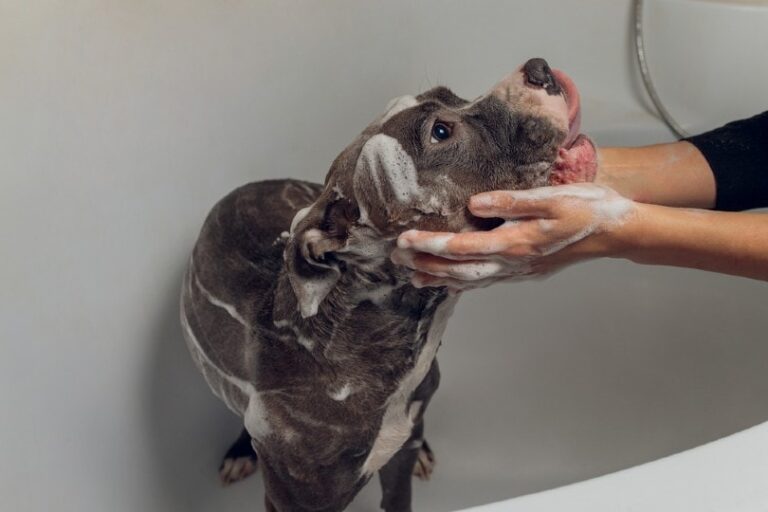
Paperanians only need occasional baths, about once a month or as needed if they get dirty. Use a gentle, dog-safe shampoo and be sure to rinse thoroughly so the skin doesn‘t get irritated. Regular trips to the groomer every 4-8 weeks will keep your Paperanian looking and feeling their best.
Paperanian Health and Lifespan
As a hybrid breed, Paperanians may benefit from heterosis, or hybrid vigor. This means they can be healthier than their purebred parent breeds, with a lower risk of inherited health problems. However, they can still be prone to some of the same issues as Papillons and Pomeranians, so it‘s important to be aware of potential health concerns.
Some of the most common health issues seen in Paperanians include:
- Patellar luxation: a congenital issue where the kneecap slips out of place, causing lameness and arthritis over time.
- Dental problems: overcrowded teeth, tooth decay, gum disease, and early tooth loss are common in toy breeds.
- Collapsing trachea: a weakness in the tracheal rings causes the airway to collapse and makes breathing difficult.
- Heart defects: Pomeranians are prone to heart murmurs and other cardiac issues.
- Eye problems: issues like cataracts, dry eye, and eyelashes that rub on the cornea can occur.
- Hypothyroidism: an underactive thyroid gland can cause weight gain, hair loss, and lethargy.
The good news is that most Paperanians are healthy little dogs that can enjoy a long lifespan of 12-16 years. The key is to work with a reputable breeder who health tests their dogs and to keep up with regular vet checkups. Catching any health issues early gives your pup the best chance at a long, healthy life.
Paperanians are also prone to obesity, which can make any existing health issues worse and put strain on their joints. Measuring your dog‘s food and limiting treats will keep them at a healthy weight. Splitting their daily amount into two or three meals can help prevent hypoglycemia, or low blood sugar, which is a risk for tiny dogs.
Finding a Paperanian Puppy
f you‘ve fallen in love with the Paperanian breed, your next step is to find a puppy from a responsible breeder. This can be a challenge since this is still a relatively rare breed without a large number of established breeders. Avoid pet stores and online ads, as these puppies often come from puppy mills. Instead, look for breeders who specialize in Papillons, Pomeranians, and their crosses.
A good breeder will welcome your questions and be happy to discuss their dogs and practices with you. They should provide health certificates for the parent dogs, showing they‘ve been tested for genetic issues like luxating patellas and heart problems. Ideally, they will raise the puppies in their home with plenty of socialization and not release them to new homes before 8-12 weeks of age.
Be prepared to wait for the right puppy, as most breeders will have a waiting list. Expect to pay anywhere from $1000-$3500 for a Paperanian puppy, depending on the breeder and the pup‘s pedigree. While this may seem expensive, a well-bred dog from health-tested parents can save you money on vet bills in the long run.
You may also want to search Papillon and Pomeranian rescue organizations, as they sometimes take in mixes like Paperanians. Adopting an older dog can be very rewarding if you don‘t have your heart set on a puppy. No matter where your new dog comes from, get them checked out by a vet right away to catch any potential health issues.
5 Fun Facts About the Paperanian
-
Some Paperanians have one upright Papillon ear and one floppy Pom ear, giving them an adorable lopsided look.
-
These dogs are sometimes affectionately called "PapiPoms" as a combination of their parent breed names.
-
With their gentle, intuitive nature, Paperanians make fantastic therapy dogs, especially for seniors.
-
When Paperanians get excited, they often do a cute little "dance" by bouncing around on their front paws.
-
Paperanians are very attentive and have a habit of cocking their heads to the side as they listen to you, which is impossibly cute!
The Bottom Line on the Paperanian
The Paperanian may be small in stature, but they‘re big in personality! These affectionate, devoted little dogs are the perfect companion for many different households. They‘ll keep you laughing with their playful antics and melt your heart with their constant desire to be near you. Paperanians may not be a well-known breed yet, but anyone who meets one is sure to fall in love.
While Paperanians are adaptable and relatively low-maintenance dogs, they‘re not the right fit for everyone. They don‘t do well being left alone for long periods and need a decent amount of exercise and mental stimulation to thrive. Regular grooming and vet care is also a must to keep them healthy. With a lifespan of 12-16 years, a Paperanian is a long-term commitment.
If you‘re able to meet this little dog‘s needs, though, you‘ll be rewarded with an incredibly loving, loyal best friend. These portable pups are always up for an adventure, whether that‘s a trip to the dog park or just snuggling on the couch. With a Paperanian in your life, every day will be full of laughter, love, and the pitter-patter of tiny paws.