
Shiba Inu vs. Corgi: Breed Comparison (With Pictures)
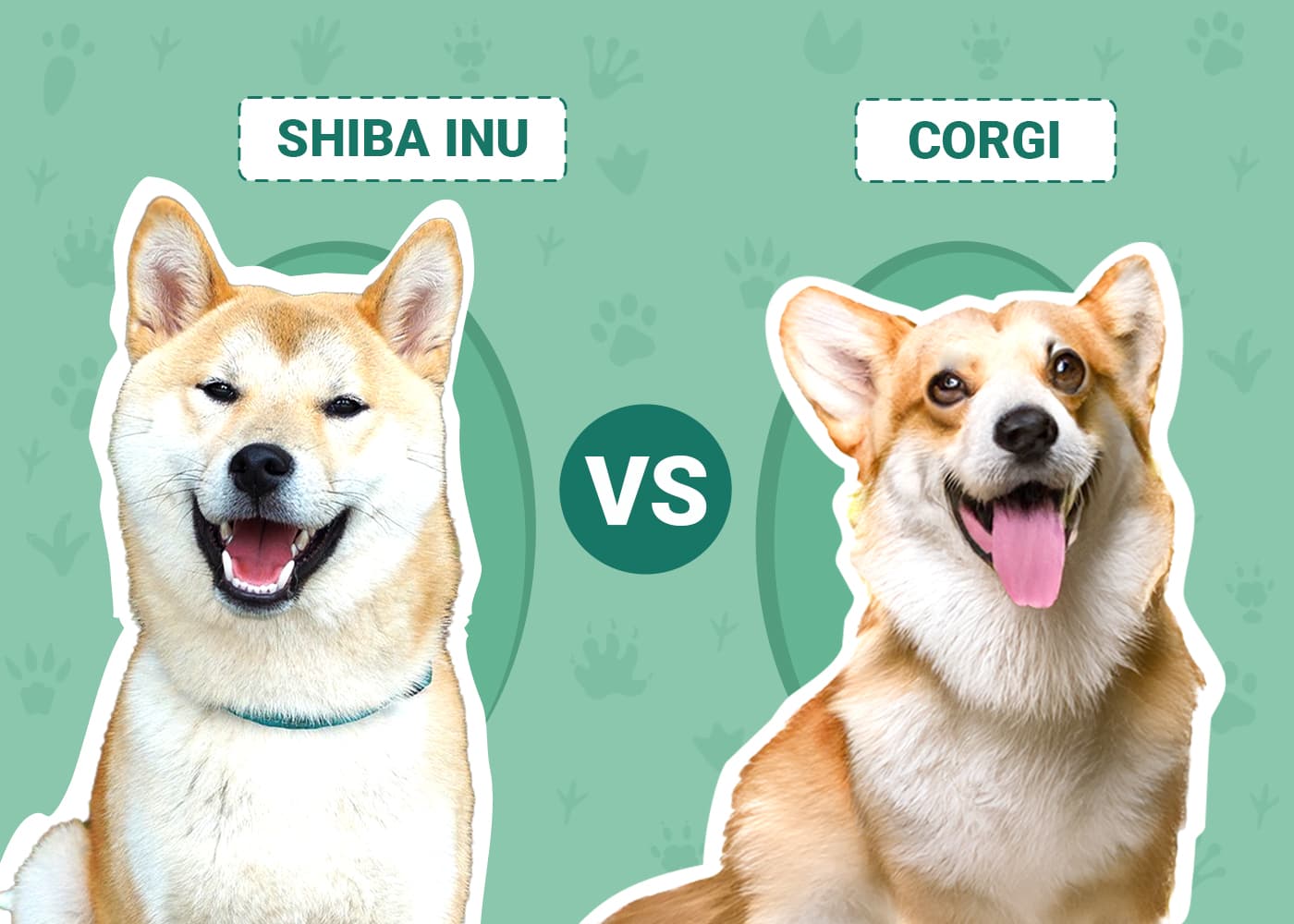
When it comes to companion dogs, the shiba inu and corgi are two popular breeds that turn heads with their distinct looks and endearing personalities. Although they have some similarities, like a thick double coat and pointy ears, these breeds hail from different corners of the globe and were developed for very different purposes.
As a dog lover and veterinarian, I find it fascinating to compare the history, traits, and care needs of different breeds. If you‘re considering adding a shiba or corgi to your family, understanding their key differences is essential for determining which is the better match for your lifestyle. Let‘s dive in and take a closer look at what makes the shiba inu and corgi unique!
Origins and History
The shiba inu and corgi may look nothing alike, but they share a proud heritage as hard-working dogs developed to help their humans with essential tasks. Shiba inus originated in Japan‘s rugged mountain regions, where they were used to flush out and hunt small game like birds and rabbits. Their name means "brushwood dog," referring to the red brushwood bushes where they would hunt. Prized for their agility, bravery and alertness, shibas have been beloved companions in Japan for centuries.
In contrast, the corgi‘s roots lie in the green hills and pastures of Wales. The Pembroke welsh corgi and the slightly larger cardigan welsh corgi were bred to herd cattle, nipping at their heels to drive them along. Corgis had to be bold and tough to handle this dangerous job. Their long, low-set body allowed them to avoid flying hooves, while their big bark and bossiness helped them control herds many times their size. Corgis transitioned from farm work to family companions in the 1900s and gained worldwide popularity after being favored by Queen Elizabeth II.
Size and Appearance
The shiba inu and corgi may be similarly sized, but their body proportions and overall look are quite distinct. Shibas are small-to-medium dogs standing 13 to 17 inches tall at the shoulder and typically weighing between 17 and 23 pounds, with males larger than females. They have a fox-like appearance with a compact body, pointy muzzle, and triangular upright ears. Their eyes are small and triangular and their tail curls over their back.
At 10 to 12 inches tall and weighing 25 to 38 pounds, corgis are much longer than they are tall, with an elongated body, short but sturdy legs, and a deep chest. Their oversized, erect ears are their signature feature, giving them an alert and whimsical expression. Corgis have a muscular build that hints at their herding background. While Pembrokes have a docked tail, cardigans have a long, bushy tail.
Coat and Colors
One trait the shiba and corgi share is a luxurious double coat that protects them from the elements. Shibas have a short, straight outer coat and a thick, soft undercoat. They come in three coat colors – red, sesame (red with black-tipped hairs), and black and tan. Their underside, cheeks and tail are cream, white or buff.
Corgis also have a thick undercoat and a slightly longer, coarse and weatherproof outer coat, with more obvious feathering on the ears, chest, legs and feet. Pembrokes come in red, sable, fawn, and black and tan, sometimes with white markings. Cardigans have the same colors plus brindle and blue merle, and white markings are required.
Temperament and Personality
While shibas and corgis can both make wonderful companions, their temperaments are quite different. Shibas tend to be independent, proud and stubborn, with a cat-like personality. They form strong bonds with their families but can be standoffish with strangers. Shibas like to keep themselves fastidiously clean and have a lower tolerance for handling compared to most dogs.
Corgis are known for being outgoing, affectionate and attached to their humans – they love being the center of attention! Despite their small size, they have big personalities and can be quite vocal. Corgis tend to get along well with everyone they meet and have a comical, happy-go-lucky outlook on life. They can sometimes be bossy, stubborn and prone to excessive barking if not trained properly.
Exercise Needs
The energetic shiba and corgi both need an active lifestyle to be fulfilled and well-behaved. Shibas have a high prey drive and love chasing small animals, so they need securely fenced yards. They require at least an hour of vigorous exercise daily in the form of walks, hikes, or playtime to stay physically and mentally stimulated.
As former herding dogs, corgis have strong instincts to chase and nip and need positive training to curb these behaviors. While they don‘t need as much intense activity as shibas, they still require a moderate amount of daily exercise through walks and active play sessions. Corgis are adaptable companions and can thrive in many living situations as long as they get enough attention and activity.
Training and Socialization
Given their headstrong nature, both shibas and corgis benefit from early training and socialization starting in puppyhood. Shiba inus can be challenging to train as they are intelligent but don‘t have a strong desire to please people. They need a confident handler with a firm but kind approach. Socialization is a must to prevent shibas from becoming overly suspicious and snippy with strangers and other animals.
Corgis are eager learners and people-pleasers at heart, which makes training easier, although they can have a stubborn streak. They excel at canine sports like obedience, agility and herding due to their smarts and athleticism. Proper socialization is essential to teach corgis polite manners and prevent nuisance barking, nipping, and guarding behaviors.
Health Concerns
Shiba inus and corgis are generally healthy breeds with long lifespans averaging 12 to 16 years. However, they can be prone to certain hereditary health issues. In shibas, common concerns include allergies, glaucoma, cataracts, hip dysplasia, luxating patellas, and hypothyroidism. Responsible breeders test for eye disorders, joint problems, and thyroid disease.
For corgis, long backs and short legs put added strain on their spine and joints. Degenerative myelopathy and intervertebral disk disease (IVDD) can cause back pain, weakness, and even paralysis. Like shibas, they can also suffer from hip dysplasia, eye problems like progressive retinal atrophy, and hypothyroidism. Corgis‘ love of food, combined with their low activity level, means owners must be vigilant about preventing obesity.
Grooming Needs
With their thick double coats, both the shiba and corgi need regular brushing to keep shedding under control. Shibas blow their coat twice a year and need more frequent grooming during seasonal sheds. They are exceptionally clean dogs who often groom themselves like cats. Baths are only needed a few times a year, unless they get into something messy.
Corgis, on the other hand, are heavy shedders year-round. Daily brushing is recommended to remove loose fur and keep their coat shiny and healthy. They also need occasional baths and nail trims. Both shibas and corgis should have their ears checked regularly for signs of infection, especially after swimming or bathing.
Best-Suited For
When choosing between a shiba and a corgi, consider your lifestyle and what you‘re looking for in a canine companion. Shiba inus can be a good fit for experienced dog owners who want a beautiful, agile, and independent-minded dog to join them on outdoor adventures. They do best with an active family who can give them plenty of daily exercise and interaction on their own terms.
Corgis are better suited for households seeking a sociable, affectionate dog who loves participating in family activities and being in the thick of the action. They are great with kids and other pets if socialized properly. While corgis need less intense exercise than shibas, they crave human companionship and don‘t tolerate being left alone for long periods.
Ultimately, the shiba inu and corgi are both charming breeds with unique personalities and care needs. By understanding their distinct traits and tendencies, you can select the breed that will be the best addition to your pack. Whichever breed you choose, get ready for many comical moments and a devoted friendship!




)