The Amazing Ability of Dogs to Detect Cancer: Top Breeds and How They Do It
As dog lovers, we all know that our furry friends are incredible creatures with a wide range of talents and abilities. From providing unconditional love and companionship to assisting with various tasks, dogs have proven time and again that they are truly man‘s best friend. But did you know that some specially trained dogs can even detect cancer? Yes, you read that right! In this article, we‘ll explore the top dog breeds known for their cancer-detecting abilities, how they do it, and the exciting research that‘s pushing the boundaries of what‘s possible with our canine companions.
The Superhero Snout: Understanding a Dog‘s Incredible Sense of Smell
To understand how dogs can detect cancer, we first need to appreciate just how powerful their sense of smell is. Dogs have an astounding 300 million olfactory receptors in their noses, compared to a mere 6 million in humans (Tyson, 2012). This means that their sense of smell is up to 100,000 times more acute than ours!
But it‘s not just the number of receptors that makes a dog‘s nose so special. The anatomy of a dog‘s nasal cavity is also designed for maximum scenting efficiency. When a dog inhales, the air is split into two separate paths – one for breathing and one for smelling. This allows them to continuously smell even while breathing, something humans cannot do (Tyson, 2012).
Moreover, the part of a dog‘s brain dedicated to analyzing smells is proportionally 40 times larger than ours (Tyson, 2012). This incredible combination of anatomy and physiology makes dogs the ultimate scent detectors, capable of identifying even the subtlest odors.
The Science Behind Cancer-Sniffing Dogs
So, how exactly can dogs smell cancer? The answer lies in the unique volatile organic compounds (VOCs) produced by cancer cells. These VOCs create a distinct odor that is different from the odors produced by healthy cells. While humans cannot detect these subtle differences, dogs with their super-powered noses can.
In a groundbreaking study, researchers found that dogs could be trained to detect lung cancer with an accuracy rate of 97%, which was significantly higher than the 70% accuracy rate of traditional screening methods (Ehmann et al., 2012). This study, along with many others, has opened up new possibilities for using dogs as a non-invasive, early detection tool for various types of cancer.
Top Dog Breeds for Cancer Detection
While any dog with a strong sense of smell can potentially be trained to detect cancer, certain breeds are known for their exceptional scenting abilities. Let‘s take a closer look at some of the top contenders:
1. Bloodhound
Bloodhounds are famous for their tracking skills and have been used for centuries to hunt down everything from escaped convicts to missing persons. With their long, droopy ears and wrinkled faces, these gentle giants have a keen sense of smell and an unwavering determination to follow a scent. In fact, Bloodhounds have up to 300 million scent receptors, making them one of the best scent detectors in the canine world (American Kennel Club, 2021).
2. German Shepherd
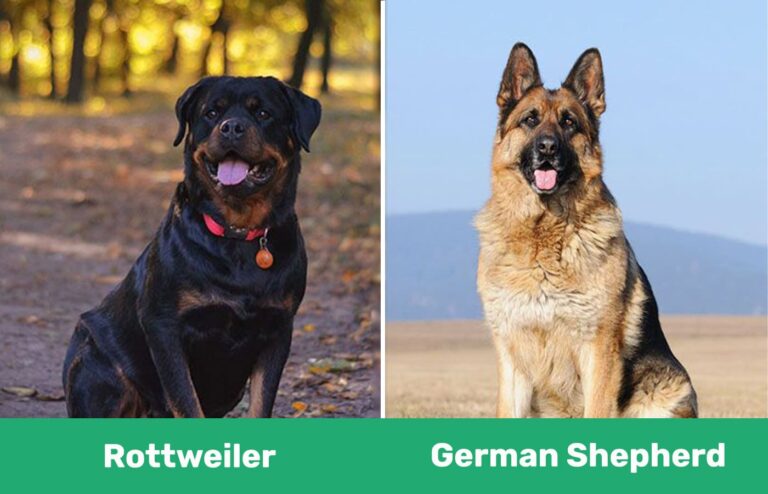
Known for their intelligence, loyalty, and versatility, German Shepherds are a popular choice for various scent detection roles, including cancer detection. These confident and courageous dogs have a powerful nose and a strong work ethic, making them highly trainable and efficient in their tasks. German Shepherds have been successfully trained to detect various types of cancer, including ovarian, prostate, and lung cancers (Levi et al., 2015).
3. Labrador Retriever
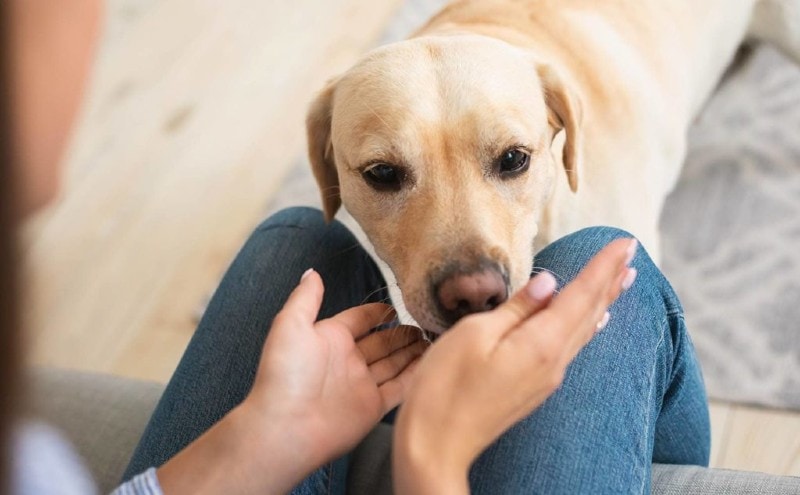
Labrador Retrievers, with their friendly nature and eagerness to please, are not only popular family pets but also excel in various working roles. Labs have a strong sense of smell and are highly trainable, making them well-suited for cancer detection work. In a study conducted by the University of Pennsylvania, Labrador Retrievers were able to identify ovarian cancer with an accuracy rate of over 90% (Junqueira et al., 2015).
4. Beagle
Don‘t let their small size fool you – Beagles have an incredible nose and a natural desire to follow scents. These energetic and friendly dogs were originally bred for hunting, but their scenting abilities have made them valuable in various detection roles, including cancer detection. Beagles have been successfully trained to detect lung cancer in exhaled breath samples with an accuracy rate of 97% (Ehmann et al., 2012).
5. Belgian Malinois
Often used in military and police work, Belgian Malinois are highly focused, athletic, and have a keen sense of smell. These intelligent and trainable dogs have been used in various scent detection roles, including cancer detection. Belgian Malinois have been trained to detect prostate cancer with an accuracy rate of over 90% (Taverna et al., 2015).
Training Cancer-Sniffing Dogs: A Rewarding Journey
Training a dog to detect cancer is a rigorous process that typically takes several months to a year. The dogs are trained using positive reinforcement methods, such as rewarding them with treats or playtime when they correctly identify a cancerous sample. The training process usually involves the following stages:
-
Scent imprinting: The dog is introduced to the specific odor of cancer cells and learns to associate it with a reward.
-
Discrimination training: The dog learns to distinguish between cancerous and non-cancerous samples, with the difficulty level gradually increasing.
-
Double-blind testing: The dog‘s accuracy is tested in a controlled setting where neither the handler nor the dog knows which samples are cancerous.
Throughout the training process, the bond between the dog and the handler grows stronger, as they work together towards a common goal. For dog lovers, the experience of training a cancer-sniffing dog can be incredibly rewarding, knowing that their furry friend is helping to save lives.
Real-Life Success Stories: Dogs Making a Difference
There have been numerous cases where cancer-sniffing dogs have made a real difference in people‘s lives. Here are a few inspiring examples:
-
In 2015, a Labrador Retriever named Daisy successfully detected breast cancer in her owner, alerting her to the presence of a lump that turned out to be malignant. Thanks to Daisy‘s early detection, her owner was able to receive prompt treatment and make a full recovery (Yin, 2016).
-
A Japanese Chin named Nagi was trained to detect colorectal cancer and successfully identified the disease in a patient who had previously received a false negative result from a traditional screening test. Nagi‘s accurate detection allowed the patient to receive timely treatment (Sonoda et al., 2011).
-
In a study conducted by the Pine Street Foundation, a Belgian Malinois named Stewie was able to detect lung cancer with an accuracy rate of 97%, providing hope for early detection and improved patient outcomes (Beveridge, 2016).
These success stories demonstrate the incredible potential of cancer-sniffing dogs and the vital role they can play in the early detection and treatment of various types of cancer.
Current Research and Future Potential
The use of dogs in cancer detection is an active area of research, with scientists exploring ways to refine training methods, improve accuracy, and expand the types of cancers that dogs can detect. Some of the ongoing research includes:
- Developing standardized training protocols to ensure consistency and reliability in cancer-sniffing dog performance (Edwards et al., 2017).
- Investigating the use of dogs to detect cancer in other biological samples, such as urine, saliva, and skin (Seo et al., 2018).
- Exploring the potential of using cancer-sniffing dogs in combination with traditional screening methods to improve overall detection accuracy (Taverna et al., 2015).
In addition to the ongoing research with dogs, some scientists are working on developing "electronic noses" that mimic a dog‘s scenting abilities. These devices use advanced sensors and algorithms to detect the specific VOCs associated with cancer, potentially making cancer screening more accessible and affordable in the future (Shehada et al., 2015).
Can My Pet Dog Detect Cancer?
While it‘s possible that an untrained pet dog may display unusual behavior around a person with cancer, such as sniffing or licking a particular area more frequently, this is not a reliable method of detection. It‘s essential to rely on professional medical advice and regular cancer screenings rather than depending on your pet‘s behavior.
However, if you notice any persistent changes in your dog‘s behavior or health, it‘s always a good idea to consult with your veterinarian to rule out any underlying health issues.
Conclusion
The ability of dogs to detect cancer is a fascinating and promising area of research that highlights the incredible bond between humans and our canine companions. From the top breeds known for their scenting abilities to the rigorous training process and inspiring success stories, the world of cancer-sniffing dogs is full of hope and potential.
As we continue to learn more about this extraordinary skill, we may find new ways to harness the power of a dog‘s nose to save lives through early cancer detection. The future of cancer screening may well involve our furry friends working alongside medical professionals, providing a non-invasive and accurate method of detection.
For dog lovers, the idea of our beloved companions playing such a vital role in the fight against cancer is both exciting and heartwarming. It‘s a testament to the incredible abilities of dogs and the strong bond we share with them.
So, the next time you marvel at your dog‘s sniffing prowess, remember that their incredible sense of smell could one day play a crucial role in saving lives and bringing hope to those affected by cancer. As we continue to explore the amazing potential of cancer-sniffing dogs, let us cherish the love, loyalty, and life-saving abilities of our furry friends.
References
American Kennel Club. (2021). Bloodhound. https://www.akc.org/dog-breeds/bloodhound/
Beveridge, C. (2016, March 2). The nose knows: Dogs detect lung cancer. American Kennel Club. https://www.akc.org/expert-advice/news/the-nose-knows-dogs-detect-lung-cancer/
Edwards, T. L., Browne, C. M., Schoon, A., Cox, C., & Poling, A. (2017). Animal olfactory detection of human diseases: Guidelines and systematic review. Journal of Veterinary Behavior, 20, 59-73. https://doi.org/10.1016/j.jveb.2017.05.002
Ehmann, R., Boedeker, E., Friedrich, U., Sagert, J., Dippon, J., Friedel, G., & Walles, T. (2012). Canine scent detection in the diagnosis of lung cancer: Revisiting a puzzling phenomenon. European Respiratory Journal, 39(3), 669-676. https://doi.org/10.1183/09031936.00051711
Junqueira, H., Quinn, T. A., Biringer, R., Underwood, L., Koopmans, M., Fefferman, N., & Eckmann, D. M. (2015). Accuracy of canine scent detection of non-small cell lung cancer in blood serum. American Journal of Respiratory and Critical Care Medicine, 191, A2410. https://doi.org/10.1164/ajrccm-conference.2015.191.1_MeetingAbstracts.A2410
Levi, J., Sela, T., Ashkenazy, H., & Reuveni, E. (2015). The ability of dogs to detect cancer: A systematic review. Journal of Veterinary Behavior, 10(4), 326. https://doi.org/10.1016/j.jveb.2015.07.030
Seo, I. S., Lee, I. S., Kim, Y. S., Lee, H., Hwang, C. H., & Choi, B. I. (2018). Cancer detection by canine scent: A review. Clinical and Experimental Otorhinolaryngology, 11(3), 161-168. https://doi.org/10.21053/ceo.2018.00059
Shehada, N., Brönstrup, G., Funka, K., Christiansen, S., Leja, M., & Haick, H. (2015). Ultrasensitive silicon nanowire for real-world gas sensing: Noninvasive diagnosis of cancer from breath volatolome. Nano Letters, 15(2), 1288-1295. https://doi.org/10.1021/nl504482t
Sonoda, H., Kohnoe, S., Yamazato, T., Satoh, Y., Morizono, G., Shikata, K., Morita, M., Watanabe, A., Morita, M., Kakeji, Y., Inoue, F., & Maehara, Y. (2011). Colorectal cancer screening with odour material by canine scent detection. Gut, 60(6), 814-819. https://doi.org/10.1136/gut.2010.218305
Taverna, G., Tidu, L., Grizzi, F., Torri, V., Mandressi, A., Sardella, P., La Torre, G., Cocciolone, G., Seveso, M., Giusti, G., Hurle, R., Santoro, A., & Graziotti, P. (2015). Olfactory system of highly trained dogs detects prostate cancer in urine samples. Journal of Urology, 193(4), 1382-1387. https://doi.org/10.1016/j.juro.2014.09.099
Tyson, P. (2012, September 5). Dogs‘ dazzling sense of smell. NOVA. https://www.pbs.org/wgbh/nova/article/dogs-sense-of-smell/
Yin, S. (2016, April 19). Dog detects owner‘s breast cancer before doctors do. American Kennel Club. https://www.akc.org/expert-advice/news/dog-detects-owners-breast-cancer-before-doctors/