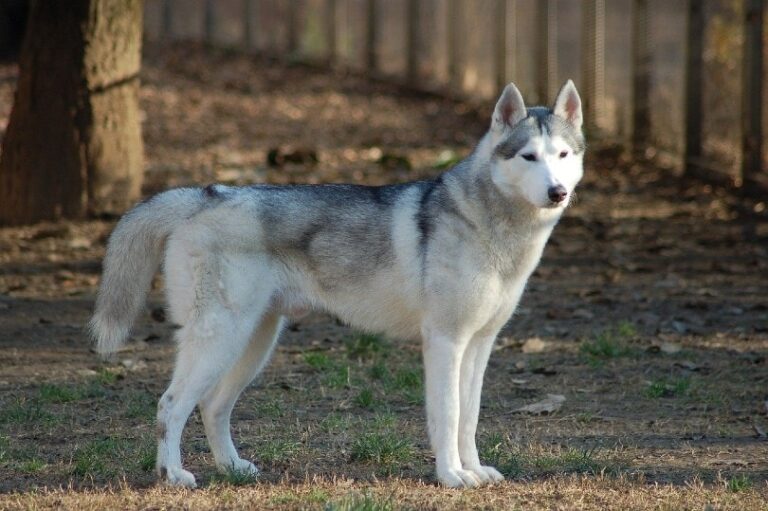
The Berniefie: A Guide to the Gentle Giant Bernese Mountain Dog Newfoundland Mix

If you‘re looking for a dog that combines the best traits of the Bernese Mountain Dog and the Newfoundland, look no further than the Berniefie. This relatively new designer breed is quickly gaining popularity among dog lovers who appreciate their calm demeanor, devoted nature, and impressive size. As a veterinarian and Berniefie enthusiast, I‘m excited to share an in-depth guide to this wonderful breed.
Breed History and Development
The Berniefie is considered a designer breed, meaning they are the intentional cross of two purebred dogs. Crossing popular breeds has become increasingly common in recent decades, though it remains controversial among some purebred dog advocates. Proponents argue that responsible crossing can minimize the health issues that affect many purebred lines.
Berniefies are thought to have first been bred in the 1990s or early 2000s in North America, though their exact origins are unclear. Breeders likely sought to create a large companion dog suitable for colder climates by combining the gentle, affectionate nature of the Bernese Mountain Dog with the Newfoundland‘s strong swimming abilities and water-resistant coat.
Though initially quite rare, Berniefies have steadily gained popularity as family pets in the United States and Canada. While they have not received recognition from major breed registries like the American Kennel Club due to their hybrid status, several smaller organizations have begun to develop breed standards. The Designer Breed Registry recognized the Berniefie (also known as the Newfanese) in 2009.
The Berniefie‘s parent breeds both have long histories as versatile working dogs. The Bernese Mountain Dog originated in the Swiss Alps, where they were used as all-purpose farm dogs to herd cattle, pull carts loaded with goods, and serve as watchdogs. According to the American Kennel Club, the breed was named after the canton of Bern and is one of four ancient Swiss Sennenhund-type dogs.
Across the Atlantic in Newfoundland, Canada, the Newfoundland breed evolved as a powerful water dog used by fishermen to haul nets, retrieve objects from the water, and even rescue drowning people. They are renowned for their swimming prowess, with webbed feet, a water-resistant double coat, and strong lungs that allow them to swim long distances. Newfoundlands have a long history as ship dogs on sailing vessels and in port cities.
Physical Characteristics
One of the first things you‘ll notice about a Berniefie is their immense size. These dogs typically weigh between 90 to 150 pounds, with males on the larger end of the scale. They have a sturdy, muscular build and tend to be slightly longer than they are tall. The following table shows the average height, weight, and body length for male and female Berniefies:
| Sex | Height | Weight | Body Length |
|---|---|---|---|
| Male | 27-29 inches | 110-150 pounds | 33-38 inches |
| Female | 25-27 inches | 90-130 pounds | 31-36 inches |
Berniefies inherit the thick double coats of their parent breeds, with a dense undercoat and a longer, coarser outer coat that protects them from harsh weather. They may have either a straight or wavy outer coat. The most common coat colors are black and white, brown and white, and tricolor (black, white and rust), often with markings similar to the Bernese Mountain Dog.
Other notable physical traits of Berniefies include:
- A broad, rounded head with a slightly arched skull
- Medium-sized, triangular ears that hang down
- A wide, deep muzzle with a scissors bite
- Large, expressive brown eyes
- A strong, muscular neck
- A deep, broad chest with a straight back
- A thick, low-set tail that hangs down when relaxed
- Large, rounded paws that may be slightly webbed
Temperament and Behavior
Berniefies are known for their calm, gentle temperament and deep devotion to their families. They are typically patient and tolerant with children, making them excellent family pets. However, their large size means they can accidentally knock over small children, so supervision is important. They are also quite sensitive and respond best to positive reinforcement training.
As with many large breeds, Berniefies can be quite laid-back and even a bit lazy once they reach adulthood. They still require daily exercise to maintain a healthy weight, but they aren‘t as high-energy as some working breeds. A few 30-minute walks or play sessions throughout the day are usually sufficient. Just be careful not to overexert them in hot weather, as their thick coats make them prone to overheating.
Socialization is extremely important for Berniefies, especially because of their size. They are innately friendly towards people and get along well with other dogs, but early exposure to different people, animals, and environments will help ensure they grow into well-adjusted adults. Socialization also helps prevent fear-based aggression. Berniefies have a moderate prey drive, but proper introductions can help them coexist peacefully with cats and other small pets.
While Berniefies are easy to train thanks to their intelligence and eagerness to please, first-time dog owners may find their size challenging. It‘s crucial to teach polite leash manners and discourage jumping up from a young age. They can also have a stubborn streak, so patience and consistency are key. Group obedience classes are highly recommended.
Potential behavioral issues to watch out for include separation anxiety, excessive barking or howling, and destructive chewing. Separation anxiety is common in Berniefies due to their devoted nature and strong attachment to their people. Crate training, plenty of exercise, and avoiding prolonged absences can help minimize anxiety. Providing them with sturdy chew toys and engaging puzzle toys will help discourage destructive chewing.
Health and Care
Like many large and giant breeds, Berniefies are prone to certain health issues. Responsible breeders screen their breeding stock for common genetic conditions to minimize risk, but it‘s important for owners to be aware of potential problems. Some of the most common health concerns in Berniefies include:
- Hip and elbow dysplasia: Abnormal development of the hip or elbow joints that can lead to arthritis and mobility issues. Screening parents with X-rays can help reduce risk.
- Gastric dilatation volvulus (bloat): A life-threatening condition in which the stomach twists and fills with gas. Deep-chested breeds are at higher risk.
- Cruciate ligament rupture: Tearing of the knee ligament, which can cause lameness and require surgery to repair.
- Dilated cardiomyopathy (DCM): A disease of the heart muscle that causes an enlarged heart and weakened contractions.
- Entropion: A genetic condition in which the eyelid rolls inward, causing irritation and discomfort.
- Hypothyroidism: An underactive thyroid gland that causes weight gain, hair loss, and lethargy.
- Cancer: Large breeds like Berniefies have an increased incidence of certain cancers like osteosarcoma (bone cancer) and lymphoma.
To keep your Berniefie healthy, it‘s important to schedule regular veterinary check-ups, keep them at a healthy weight, and follow your vet‘s recommendations for preventative care like vaccinations, parasite control, and screenings. Feeding a high-quality dog food formulated for large breeds and avoiding overfeeding can help prevent obesity and its associated health risks.
Grooming is another essential aspect of Berniefie care. Their thick double coats require brushing at least 2-3 times per week, and daily during shedding season, to prevent matting and remove loose fur. Regular baths every 1-2 months will help keep their skin and coat healthy. Don‘t forget to trim their nails every 3-4 weeks, brush their teeth daily, and check their ears weekly for signs of infection.
Mental stimulation is just as important as physical exercise for this intelligent breed. Berniefies enjoy learning new tricks, playing hide-and-seek with their people, and solving food puzzles. They also tend to love water, so swimming can be an excellent low-impact activity for them. Just be sure to supervise them around pools and bodies of water, as their heavy coats can weigh them down when saturated.
Ownership Considerations
Before bringing home a Berniefie, it‘s important to carefully consider whether you have the time, space, and financial resources to care for a giant breed dog. Some key factors to keep in mind:
- Space: Berniefies do best in homes with plenty of indoor and outdoor space for them to stretch out. A securely fenced yard is ideal for exercise and playtime. Apartments and small homes may feel crowded.
- Time: While they don‘t require hours of intense exercise, Berniefies do best with a moderately active lifestyle and a family that can spend ample time with them. They are prone to separation anxiety if left alone too much.
- Budget: Giant breed dogs come with giant expenses, from food bills to medications to grooming supplies. Expect to spend $200-300 per month on food alone for an adult Berniefie.
- Training: Berniefies need consistent positive reinforcement training and socialization from an early age. First-time dog owners may find their size and strength challenging.
- Mess: Between shedding, drool, and muddy paws, Berniefies aren‘t the tidiest housemates. If you‘re fastidious about cleanliness, this may not be the breed for you.
- Lifespan: Like many large dogs, Berniefies have a relatively short lifespan of 7-10 years on average. Potential owners should be prepared for the heartbreak of saying goodbye sooner than with smaller breeds.
As with any dog, it‘s important to find a responsible breeder or rescue organization when seeking a Berniefie puppy or adult dog. Look for breeders who health screen their dogs, provide health guarantees, and prioritize temperament and trainability. Avoid pet stores, online ads, or breeders who always seem to have puppies available, as these may be fronts for puppy mills.
Expect to spend anywhere from $1,000 to $3,000 for a Berniefie puppy, depending on your location and the breeder‘s reputation. Adopting an adult Berniefie from a rescue may cost a few hundred dollars, which typically includes vaccinations, spay/neuter surgery, and any necessary medical treatment.
Once you bring your Berniefie home, be sure to have plenty of supplies on hand, including:
- A spacious crate for training and safety
- High-quality large breed puppy or adult food
- Bowls for food and water
- A sturdy leash and collar or harness
- Grooming tools like brushes, nail clippers, and shampoo
- Plenty of tough chew toys and interactive puzzles
- Bedding that can accommodate their size
- Car safety restraints designed for large dogs
- A kiddie pool or sprinkler for outdoor water play
A Veterinarian‘s Perspective
As a veterinarian, I‘ve had the pleasure of caring for several Berniefies over the years. One thing that always impresses me about this breed is their gentle, calm demeanor, even in stressful situations like vet visits. I‘ve seen Berniefies comfort anxious canine patients in the waiting room and soothe nervous children during exams.
That said, their size and strength can pose challenges in a veterinary setting. I always advise my clients to work on cooperative care exercises with their Berniefies from a young age, like touching their paws, ears, and mouths and rewarding them for holding still. This makes procedures like blood draws and dental exams much easier and less stressful for everyone.
I also can‘t stress enough the importance of keeping Berniefies at a healthy weight through portion control and regular exercise. Obesity is a major risk factor for many of the health issues that affect this breed, like joint problems and heart disease. I recommend using a body condition score chart to assess your Berniefie‘s weight regularly and adjusting their food and activity as needed.
Anesthesia is another concern with giant breeds like Berniefies. They require careful monitoring and specialized protocols to ensure their safety during procedures. That‘s why it‘s crucial to choose a veterinarian who is experienced with giant breeds and has the necessary equipment and training to care for them.
Overall, I‘ve found Berniefies to be a joy to work with as a veterinarian. Their sweet personalities and eagerness to please make them wonderful patients and delightful companions. With proper care and attention to their unique needs, they can enjoy long, happy lives with their devoted humans.
Conclusion
The Berniefie is truly a gentle giant of the dog world, combining the best traits of the Bernese Mountain Dog and the Newfoundland. While their size and strength may pose some challenges, their calm demeanor, affectionate nature, and trainability make them excellent family companions for the right household.
If you have the space, time, and resources to devote to a Berniefie, you‘ll be rewarded with a loyal, loving friend who will stick by your side through thick and thin. Just be prepared for a lot of fur, a lot of drool, and a whole lot of love.
Sources
- American Kennel Club. (n.d.). Bernese Mountain Dog. Retrieved from https://www.akc.org/dog-breeds/bernese-mountain-dog/
- American Kennel Club. (n.d.). Newfoundland. Retrieved from https://www.akc.org/dog-breeds/newfoundland/
- Designer Breed Registry. (2009). Berniefie. Retrieved from https://designerbreedregistry.com/breeds/berniefie/
- Gibeault, S. (2020). Giant Dog Breeds. American Kennel Club. Retrieved from https://www.akc.org/expert-advice/dog-breeds/types/giant-dog-breeds/
- Meyers, H. (2016). The Bernese Mountain Dog: A Study of the Breed Standard. Bernese Mountain Dog Club of America. Retrieved from https://bmdca.org/breed/breedstandard.php
- Newfoundland Club of America. (2021). Breed History. Retrieved from http://www.ncanewfs.org/history.shtml
- Personal interviews with Berniefie breeders, owners, and veterinary professionals.