
Mini Corgi vs. Corgi: Thorough Breed Comparison
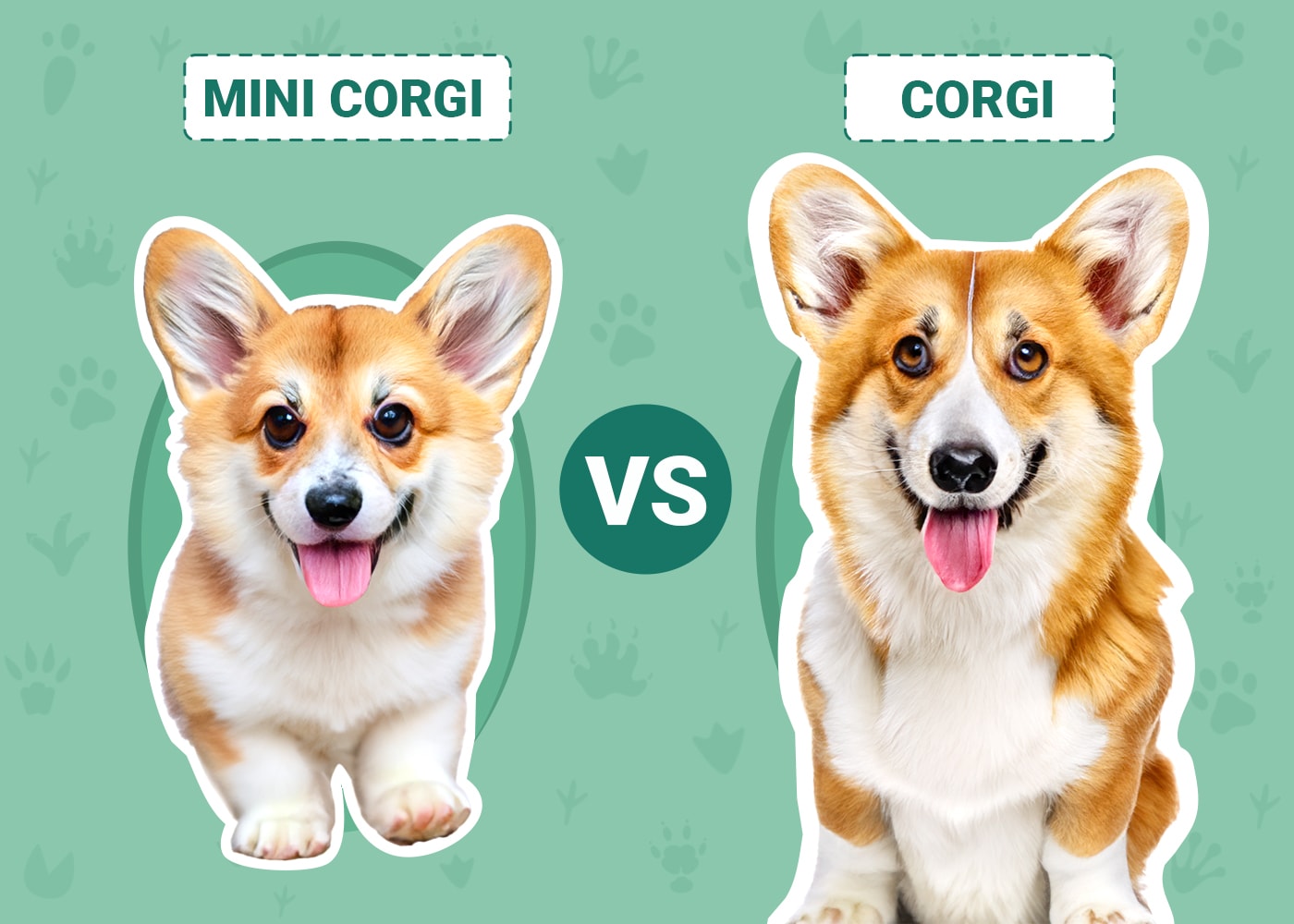
When it comes to adorable dogs with big personalities, it‘s hard to top the corgi. These lovable low-riders, originally from Wales, have captured hearts around the world with their goofy grins, fluffy butts, and endearing antics. In recent years, the rising popularity of pint-sized pooches has led to the development of the mini corgi – a smaller version of the iconic breed. So how do these fun-sized corgis compare to their full-sized counterparts? Let‘s take an in-depth look at the similarities and differences between mini corgis and standard corgis.
Origins of the Corgi
The Pembroke Welsh Corgi, the more common of the two corgi breeds, descended from dogs brought to Wales by Flemish weavers in the 10th century. Don‘t let their short legs fool you – corgis were originally working dogs, prized for their herding abilities. According to Welsh legend, the corgi was the preferred method of transportation for fairies and elves! Their low build allowed them to nip at the heels of cattle while avoiding kicks. Corgis also served as excellent watchdogs, alerting their owners to any potential threats.
Over time, corgis transitioned from the pasture to the palace, becoming beloved companions to Queen Elizabeth II and her family. The Queen has owned more than 30 corgis over her lifetime, and the dogs have become closely associated with the royal family. Corgis are now popular pets around the globe, known for their bright, affectionate personalities.
The Rise of the Mini Corgi
The mini corgi, on the other hand, is a much more recent development. These petite pups are not a distinct breed, but rather a sized-down version of the standard corgi. Mini corgis are typically created by crossing a corgi with a smaller breed like a Chihuahua, toy poodle, or Pomeranian. Some mini corgis are simply small standard corgis bred from runts of the litter.
The intent behind developing the mini corgi was to offer the corgi‘s winning personality in a more compact, apartment-friendly package. However, this trend is somewhat controversial, as some breeders feel it compromises the breed‘s integrity. The American Kennel Club does not recognize the mini corgi as a distinct breed.
Physical Differences
The most obvious difference between mini and standard corgis is, of course, their size. Pembroke Welsh Corgis typically stand 10-12 inches tall and weigh 27-30 pounds (males) or 24-28 pounds (females). Cardigan Welsh Corgis are slightly larger at 10.5-12.5 inches tall and 30-38 pounds. In contrast, mini corgis are usually 8-10 inches tall and weigh just 10-20 pounds – a good deal smaller than their full-sized cousins.
While standard corgis have an elongated, muscular build, minis tend to have a more square, compact frame as a result of being crossed with toy-sized breeds. The corgi‘s characteristically short legs should still be evident in minis, just on a smaller scale.
Both mini and standard corgis have a thick double coat that sheds heavily. Standard corgis come in five colors: red, sable, black and tan, fawn, and tri-colored (black, white and tan). Minis may have additional color variations depending on the breed they‘re mixed with. For example, a corgi-Chihuahua mix could be chocolate, cream, or merle.
As for facial features, minis typically retain the standard corgi‘s adorably expressive face, with perky ears, bright almond-shaped eyes, and a slightly tapered muzzle. However, the influence of the second parent breed may alter their appearance. A corgi-poodle mix might have a more rounded skull, while a corgi-Pomeranian could have fluffier, fox-like features.
Temperament and Personality
Despite their size difference, mini and standard corgis are quite similar in terms of temperament. Both tend to be friendly, playful, and affectionate dogs that bond closely with their families. They‘re known for being good with respectful children, and their goofy antics are sure to entertain. Corgis of all sizes tend to be quite talkative, so be prepared for some adorable vocalizations!
As herding breeds, corgis are highly intelligent and thrive on having a job to do, whether it‘s chasing a ball or learning new tricks. Mini corgis are just as smart as their larger counterparts and are usually a breeze to train with positive reinforcement methods. Like standard corgis, minis may try to herd children or nip at heels, so it‘s important to discourage this behavior early on.
Both sizes of corgi can have a bit of a stubborn streak and strong-willed nature, so patience and consistency are key in training. First-time dog owners may find mini corgis easier than standards simply because of their smaller size.
One potential issue to watch for in mini corgis is "small dog syndrome," where tiny dogs become yappy, snappy, or overprotective because they‘re used to being coddled. Owners should treat mini corgis like any other dog in terms of boundaries and training. With proper socialization, both minis and standards get along well with other dogs.
Health Considerations
All dogs have some health concerns to be aware of, and corgis are no exception. Hip dysplasia, a malformation of the hip joint that causes arthritis, is common in the breed. Responsible corgi breeders test their dogs‘ hips prior to breeding to avoid passing on this painful condition.
Corgis are also prone to intervertebral disc disease (IVDD), where the cushioning discs between the vertebrae bulge or rupture. This is related to their long back and short legs. Keeping corgis at a healthy weight and using ramps instead of stairs can help reduce the risk of IVDD.
Other issues seen in standard corgis include eye disorders like progressive retinal atrophy, cardiac problems like degenerative myelopathy, and a bleeding disorder called von Willebrand‘s disease. Reputable breeders perform pre-breeding health screenings to minimize these risks.
Since minis have a more diverse gene pool, they may be less prone to some of the congenital issues seen in standard corgis. However, they can inherit health problems from their non-corgi parent as well. Minis with short muzzles may have breathing difficulties, while those with tiny skulls are at risk for dental crowding.
In general, mini corgis tend to have a shorter lifespan than standard corgis. While standards often live 12-15 years, minis typically live 10-12 years. This is likely because their mixed heritage means they don‘t have the same level of health testing and careful breeding as purebred corgis.
Grooming and Upkeep
With their luxurious double coats, both mini and standard corgis require regular grooming to keep shedding under control. Corgis "blow their coat" once or twice a year, releasing huge amounts of fluff that gets everywhere if not contained. Weekly brushing is a must, with daily brushing during shedding season. Occasional baths keep the coat clean and conditioned.
Minis may be easier in terms of coat care simply because they have less surface area. They‘ll still leave plenty of cute little corgi tumbleweeds, but perhaps not in the massive quantities a standard corgi produces.
Nail trims, ear cleanings, and dental care are also important for corgis big and small. Since minis are closer to the ground, their nails may wear down naturally more than standards. Still, regular nail trims keep them comfortable and prevent snagging on the carpet.
Both types of corgi need daily exercise and mental stimulation. Standard corgis require a bit more activity, at least an hour total per day. Two half-hour walks plus some playtime is usually sufficient. Minis may do fine with 30-45 minutes of exercise daily. Both love to run and play, so a fenced yard is a big bonus. That said, corgis of all sizes can adapt well to apartment life as long as they get enough outdoor time.
While corgis tend to be hearty eaters, portion control is important to avoid weight gain, especially in less active minis. Obesity puts major strain on those short legs and long backs. Measuring food and limiting treats keeps corgis fit and trim.
Cost and Availability
One major consideration for prospective corgi owners is the price difference between minis and standards. Standard corgis from reputable breeders typically cost $1,000 to $2,500, depending on the pup‘s pedigree and location. Show-quality dogs can be even pricier.
As designer dogs, mini corgis often have an even heftier price tag, with $2,000 being on the low end. Some mini breeders charge $4,000 or more per puppy. The rarity of these pint-sized pups, combined with the trend factor, leads to increased costs.
For budget-conscious corgi lovers, adoption may be the way to go. While there aren‘t a ton of corgis or corgi mixes in shelters, they do sometimes end up in rescue. Purebred corgi rescue organizations are a great way to find a fur-ever friend in need of a home. Adopted adult dogs are typically a fraction of the cost of a puppy.
It‘s also important to factor in a lifetime of expenses when considering adding a corgi to the family. Minis may be a bit cheaper in terms of food, gear, and medication simply because of their size. However, both types of corgi need high-quality food, regular vet care, grooming supplies, and toys for mental stimulation. Pet insurance can be a smart idea to offset the cost of any health issues that arise.
Choosing the Right Corgi
So which type of corgi is the ideal fit for you? Both share the same charming personality, so it ultimately comes down to practical concerns like space, budget, and owner preferences.
Mini corgis are well-suited for small homes or apartments, those seeking a more portable pooch, or folks who want the corgi look and temperament with a little less dog. They‘re easier to physically handle and less expensive to feed. However, they‘re harder to find and more costly upfront. They also face some health disadvantages and a shorter lifespan compared to standards.
Standard corgis are the way to go for those who love the classic corgi look, have a yard or easy access to outdoor space, and don‘t mind a bit of extra grooming. They‘re more widely available from responsible breeders and rescues. While they‘re a bigger financial commitment over their lifetime, they tend to be hardier and longer-lived than minis.
For those who can‘t decide, there‘s always the option of one of each! No matter the size, corgis have a way of worming into your heart with their outgoing, comical ways. These brilliant, busy, affectionate dogs are endlessly entertaining and sure to keep you smiling with their clownish antics. Just be ready for a lot of fur, a lot of love, and the occasional bark at a non-existent intruder. Life with a corgi, big or small, is never dull!


