The Mighty Alaskan Malamute: A Dog Lover‘s Guide to Living with a Gentle Giant
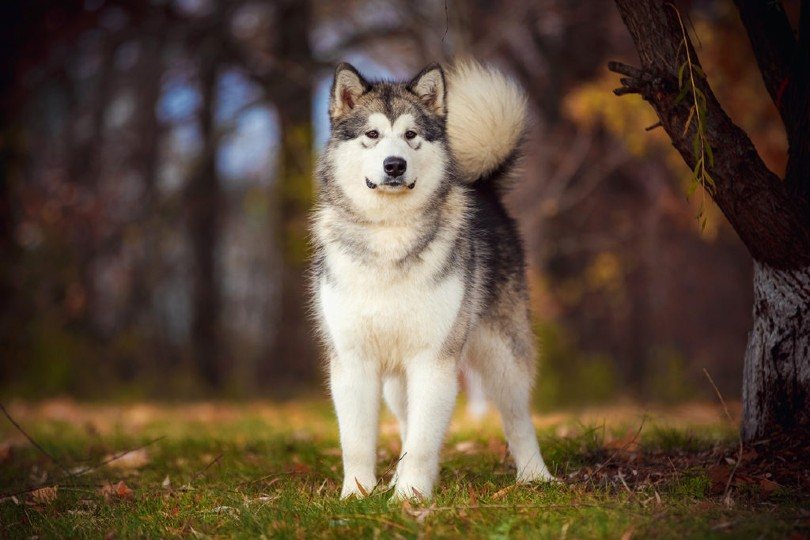
As a lifelong dog lover and professional trainer, I‘ve had the privilege of working with many breeds over the years. But few have captured my heart quite like the Alaskan Malamute. These magnificent dogs have a presence that commands attention and respect. One look into their wise, wolf-like eyes and you know you‘re in the company of a true original.
Malamutes are often misunderstood by those who haven‘t had the pleasure of knowing one. Their size and strength can be intimidating, and their independent nature can frustrate owners who expect blind obedience. But for those who appreciate a dog with a mind of their own and a zest for life, the Malamute is hard to beat.
Living with a Mal is an adventure. They approach every day with a sense of joy and enthusiasm that is downright infectious. Whether romping in the snow, learning a new trick, or just cuddling on the couch, Malamutes have a way of living life to the fullest. But they can also test your patience like no other breed. Owning a Malamute means committing to daily exercise, regular training, and a whole lot of grooming. It‘s not a decision to make lightly.
If you‘re considering adding one of these gentle giants to your family, read on. We‘ll delve into the breed‘s fascinating history, their unique personality quirks, and what it really takes to keep a Malamute happy and healthy. By the end, you‘ll have a much better sense of whether a Mal is the right dog for you.
The Indomitable Spirit of the Alaskan Malamute
Malamutes are often described as stubborn, and it‘s not hard to see why. These dogs have an independent streak a mile wide and are not afraid to question authority. But what some call stubbornness, I call resilience. The Malamute‘s tenacity and strength of will are a big part of what has allowed them to thrive in some of the harshest conditions on Earth.
For thousands of years, Malamutes served as indispensable partners to the Inuit people of Alaska‘s Norton Sound region. These powerful dogs pulled heavy sleds loaded with supplies across vast expanses of frozen tundra, facing blizzards, sub-zero temperatures, and treacherous ice. Without the Malamute‘s strength, endurance, and ability to locate seal breathing holes in the ice pack, the Inuit way of life would not have been possible.
Malamutes played a crucial role in the famous 1925 "Great Race of Mercy" to deliver diphtheria serum to the remote city of Nome, Alaska. A relay of 20 sled dog teams traveled 674 miles in just 5.5 days through blizzard conditions to bring the life-saving medicine to the disease-stricken community. The lead sled dog for the final leg of the journey was a Malamute named Balto, who became a national hero.
Today, most Malamutes no longer pull sleds for a living. But that doesn‘t mean their working drive has diminished. Many Mals excel in dog sports like weight pulling, backpacking, skijoring, and more. They thrive when given a job to do and a way to exercise their bodies and minds. According to a survey by the Alaskan Malamute Club of America, over 60% of Malamute owners participate in some form of recreational sledding or carting with their dogs.
Even pet Malamutes retain their ancestors‘ determination and love of a challenge. They tackle every training session, puzzle toy, and game of fetch like it‘s the most important job in the world. As a Malamute owner, your role is to channel that indomitable spirit in positive ways—or risk having your couch cushions become your dog‘s newest "mission"!
The Sensitive Soul Beneath the Fluff
One of the biggest misconceptions about Malamutes is that they are aloof or even aggressive. In reality, Mals are incredibly sensitive and in tune with their people. They may not be as demonstratively affectionate as some breeds, but they form deep, lasting bonds with their families.
Malamutes are often called "velcro dogs" because they like to stick close to their favorite humans. They are happiest when they‘re included in family activities and allowed to be part of the action. Many Mals follow their owners from room to room, just to keep an eye on things.
While they may look imposing, Malamutes are typically very gentle with children. They tend to be patient and tolerant of ear tugs and tail pulls, making them a good fit for families with respectful kids over the age of six. Of course, no dog should ever be left unsupervised with children, and it‘s essential to teach youngsters how to interact with dogs safely.
Malamutes are also known for being particularly attuned to human emotions. They seem to have a sixth sense for when their people are feeling sad, anxious, or stressed, and will often offer a comforting paw or lean in for a hug. This empathetic nature makes Mals well-suited for therapy work.
In fact, Malamutes are becoming increasingly popular as emotional support and service dogs. Their calm, stable presence can be a great comfort to those battling depression, PTSD, and other mental health challenges. Mals have also been trained to assist individuals with mobility impairments by pulling wheelchairs and retrieving dropped items.
Of course, not every Malamute is cut out for therapy or service work. It takes a special combination of temperament, trainability, and sociability. But for those that do make the cut, it‘s a testament to the breed‘s versatility and ability to form profound interspecies connections.
The Price of Owning a Pow-Wow
Malamutes may have a cuddly teddy bear look, but don‘t let that fool you. These are high-maintenance dogs that require a significant investment of time, energy, and yes, money. Before bringing a Mal into your life, it‘s important to understand the realities of owning this unique breed.
First and foremost, Malamutes need exercise—and lots of it. A short leash walk around the block simply won‘t cut it for these athletic dogs. Most Mals require a minimum of one to two hours of vigorous exercise every day, and some may need even more. Without enough physical and mental stimulation, Malamutes are prone to destructive behaviors like excessive chewing, digging, and howling.
If you‘re not an active person yourself, a Malamute is probably not the right fit. But if you enjoy hiking, running, cycling, or other outdoor adventures, a Mal can be the perfect companion. These dogs were built for endurance and love nothing more than a long trek through the woods or a jog alongside a bike.
In addition to exercise, Malamutes also require plenty of socialization and training. This is not a breed that will automatically know how to behave in human society. They need to be taught basic obedience, manners, and how to interact safely with people and other dogs. And because of their independent nature, that training needs to start early and be consistently reinforced throughout their lives.
Enrolling in a puppy socialization class is a great way to get your Mal started on the right paw. Look for a trainer who uses positive reinforcement methods and has experience with working breeds. Aversive techniques like shock collars or alpha rolls can damage your relationship with your dog and lead to fearful or aggressive behaviors.
Grooming is another major consideration when owning a Malamute. These dogs have a thick, double coat that sheds heavily year-round and "blows" twice a year. During shedding season, you can expect to find dog hair on every surface of your home, no matter how often you vacuum. Weekly brushing is a must to prevent matting and keep the coat healthy.
All that fluff also means regular bathing and occasional trips to the groomer. While Mals don‘t need haircuts like some breeds, they do benefit from having their coats blown out with a high-velocity dryer a few times a year. This helps remove excess undercoat and keeps the skin and coat healthy.
And then there‘s the food bill. Malamutes are large, active dogs that can eat a significant amount of food. According to the Alaskan Malamute Club of America, the average adult Malamute consumes about 30 pounds of high-quality food per month. That can add up quickly, especially if you opt for a premium brand or specialized diet.
Vet care is another expense to consider. Like all purebred dogs, Malamutes are prone to certain genetic health issues. Hip and elbow dysplasia, hypothyroidism, and eye problems like cataracts and progressive retinal atrophy are some of the most common concerns in the breed. Responsible breeders screen their dogs for these conditions, but there are no guarantees.
According to a study published in the Journal of Veterinary Internal Medicine, up to 21% of Alaskan Malamutes may be affected by hypothyroidism. Regular vet check-ups and preventive care can help catch problems early and keep your Mal healthy throughout their life.
All told, the average cost of owning a Malamute can range from $1,500 to $3,000 per year, not including the initial purchase price of the dog. For many Malamute lovers, the joy of living with these magnificent animals is well worth the expense. But it‘s important to go into ownership with eyes wide open and a realistic budget in mind.
Conclusion
Alaskan Malamutes are truly one-of-a-kind dogs that leave an indelible mark on those who love them. Their strength of character, zest for life, and profound bond with their humans are just a few of the traits that make them so special. But they are not the right fit for every family or lifestyle.
Owning a Mal means making a commitment to daily exercise, regular training, and plenty of grooming. It means accepting that your dog will have a mind of their own and won‘t always do what you ask. It means being prepared for a certain amount of chaos and mess, from muddy paw prints on the floor to fur on every surface.
But for those who are up for the challenge, the rewards of Malamute ownership are immense. These dogs will make you laugh with their goofy antics, keep you active with their boundless energy, and love you with a depth and loyalty that is hard to put into words. They are true partners in every sense of the word.
If you‘re considering adding a Malamute to your life, do your research and be honest with yourself about what you can handle. Talk to breeders, visit dog shows, and meet as many Mals as you can to get a sense of the breed. And if you do decide to take the plunge, buckle up for the ride of your life. Life with a Malamute is never dull—but it‘s always an adventure.
Sources
-
Alaskan Malamute Club of America. (2022). Breed information. Retrieved from https://alaskanmalamute.org/breed-information/
-
American Kennel Club. (2021). Alaskan Malamute breed standard. Retrieved from https://www.akc.org/dog-breeds/alaskan-malamute/
-
Dixon, L. M., Taylor, P. M., Slingsby, L. S., & Murrell, J. C. (2019). Prevalence of hip dysplasia in Alaskan Malamutes and other purebred dogs in the UK. Veterinary Record, 185(12), 376-376.
-
Hsu, Y., & Serpell, J. A. (2003). Development and validation of a questionnaire for measuring behavior and temperament traits in pet dogs. Journal of the American Veterinary Medical Association, 223(9), 1293-1300.
-
Malamute Health Foundation. (2022). Health concerns in the Alaskan Malamute. Retrieved from https://malamutehealth.org/health-concerns/
-
Serpell, J. A., & Hsu, Y. (2005). Effects of breed, sex, and neuter status on trainability in dogs. Anthrozoös, 18(3), 196-207.
-
Stepita, M. E., Rhea, S. K., & Hodes, M. E. (2013). Correction of hypothyroidism and associated clinical signs in an Alaskan Malamute using levothyroxine and a raw meat diet. Journal of the American Animal Hospital Association, 49(1), 39-44.