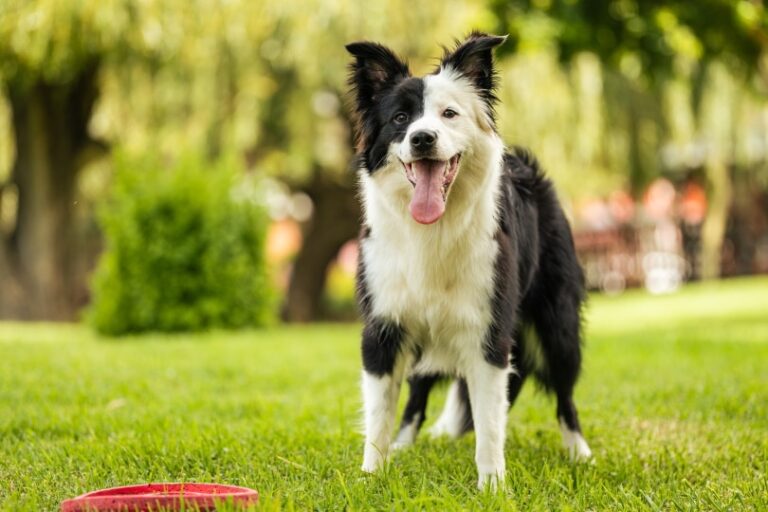
The Pawesome Pomsky: A Comprehensive Guide for Dog Lovers

As a veterinarian and lifelong dog lover, I‘ve seen my fair share of adorable and unique breeds over the years. But few have captured hearts quite like the Pomsky, a relatively new designer dog that‘s a cross between a Pomeranian and a Siberian Husky. With their teddy bear faces, fluffy coats, and big personalities in pint-sized packages, it‘s no wonder Pomsky puppies have become highly sought after. But what do you really need to know before bringing one of these little bundles of energy home? Let‘s dive into the world of Pomskies!
Pomsky History: A Viral Sensation
The Pomsky first gained attention back in 2011, when a Buzzfeed article featuring pictures of adorable "Pomsky" puppies went viral. The only problem? The dogs pictured weren‘t actually Pomeranian-Husky mixes at all, but a Finnish breed called the Alaskan Klee Kai. Nonetheless, the article sparked a huge demand for the cute little dogs people thought were Pomskies.
Clever breeders saw an opportunity, and by 2012, the first official Pomsky puppies were born. The International Pomsky Association was established in 2015 to promote responsible breeding practices and work toward breed standardization. While still a very new and uncommon breed not yet recognized by the AKC, Pomskies have risen in popularity over the last decade. The AKC currently ranks the Siberian Husky as the 14th most popular breed in the U.S. and the Pomeranian at #23, so it‘s no surprise that their adorable offspring are in high demand.
Pomsky Appearance: Fluffy Teddy Bears Come to Life
One of the major draws of Pomskies is their irresistible, almost stuffed animal-like appearance. Since they are a cross of two distinct breeds, their looks can vary quite a bit, but in general, Pomskies sport the fluffy double coat of a Husky and the compact size of a Pom. According to the Pomsky Club of America, the ideal height for a full-grown Pomsky is between 10 to 15 inches tall, and they typically weigh 20 to 30 pounds.
| Pomsky Size | Male | Female |
|---|---|---|
| Height | 10-15" | 10-14" |
| Weight | 20-30 lbs | 15-25 lbs |
Pomskies come in a wide variety of coat colors and patterns, including black, white, gray, red, sable, brown, and blue merle. Some may inherit striking blue eyes from their Husky lineage, while others have brown, hazel, or bi-colored eyes. Their coats may be soft and plush like a Pom or thick and dense like a Husky – either way, expect lots of fluff and shedding.
Dr. Sarah Wooten, DVM, CVJ, says that potential Pomsky owners need to be prepared for intensive grooming needs. "Pomskies typically inherit a thick double coat from their Husky parent that will ‘blow coat‘ seasonally, shedding profusely. Daily brushing and regular professional grooming is a must to keep their coat healthy and prevent matting."
Pomsky Temperament: Energetic, Playful, Loyal
PCA characterizes the ideal Pomsky temperament as "intelligent, athletic, and loyal" with a "pleasant, affectionate demeanor." These clever little dogs love being the center of attention and bond very closely with their families. They are playful and energetic, always up for a game of fetch or a good cuddle on the couch.
While generally good-natured, Pomskies can inherit some challenging behavioral traits from their parent breeds. "Separation anxiety can be an issue for Pomskies, as they hate being left alone and may resort to barking, howling, or destructive behavior," cautions Dr. Jerry Klein, AKC Chief Veterinary Officer. "They may also inherit a tendency toward aggression from the Pomeranian side if not properly socialized."
Early and consistent positive reinforcement training is key for Pomskies. They are intelligent and eager to please but can also have a stubborn streak. With their high energy levels, they need lots of exercise and mental stimulation to prevent boredom-induced misbehavior. Puzzle toys, trick training, and dog sports like rally or agility are great outlets for their active minds and bodies.
Pomsky Health and Lifespan: Maximizing Your Pup‘s Well-Being
As with any breed, Pomskies are prone to certain genetic health issues stemming from their parent breeds. Some potential concerns include hip dysplasia, luxating patellas, dental disease, tracheal collapse, skin problems, and eye disorders like cataracts or progressive retinal atrophy. Responsible Pomsky breeders will screen prospective parent dogs for these issues to minimize the risk of passing them on to puppies.
One important thing to be aware of is that toy-sized Pomskies are at increased risk for certain health issues. "Breeding Pomskies under 10 pounds is considered unethical, as very small size can predispose them to issues like hypoglycemia, heart defects, and respiratory problems," says Dr. Wooten. "Be wary of breeders advertising ‘teacup‘ or ‘micro‘ Pomskies."
The average lifespan for a Pomsky is around 12 to 15 years, although some may live even longer with proper care. To maximize your Pomsky‘s healthy years, feed a high-quality diet, keep them at a healthy weight, provide plenty of exercise, and stay on top of preventative vet care like vaccinations, dental cleanings, and parasite control.
Fun Pomsky Facts and Stats
Still curious to learn more about the spectacular Pomsky? Chew on these tasty tidbits:
- A Pomsky named Mya holds the Guinness World Record for most dog tricks performed in one minute, at a whopping 13 tricks!
- Pomskies are highly valued for their looks and can sell for anywhere from $1,000 to over $5,000 from a reputable breeder.
- Despite their small size, Pomskies make excellent watchdogs due to their alert nature and tendency to bark at strangers.
- The most famous Pomsky on social media is Mya the Pomsky, who has over 650,000 Instagram followers.
- Pomskies are recognized as an official breed by the International Pomsky Association, Pomsky Club of America, and American Pomsky Club.
Is a Pomsky Your Perfect Match?
So you‘ve fallen for the foxy face of a Pomsky – I can‘t blame you! They are heart-meltingly cute. But before you bring one home, really assess whether your lifestyle is a good fit for these active, high-maintenance little dogs. In my professional opinion, Pomskies are best suited for experienced dog owners who:
- Have plenty of time to dedicate to training, socialization, and exercise
- Understand the grooming demands of a double-coated breed
- Don‘t mind some barking, as Pomskies are vocal dogs
- Have a securely fenced yard or are committed to plenty of walks/play
- Aren‘t frequently absent for long workdays, as Pomskies can develop separation anxiety
- Have older children, or no children, as Pomskies can be nippy if handled roughly
"Pomskies are adorable, but they aren‘t for everyone," sums up Dr. Klein. "They are smart, energetic, and loyal dogs who need dedicated owners willing to put in the time to meet their needs. But for the right person, all the effort is worth it to have an affectionate, comical little fluffball by your side."
With their cute faces and big hearts, Pomskies will likely only continue to grow in popularity. But please, always do your research, choose a responsible breeder, and make sure you‘re prepared for the commitment before bringing one home. With a loving family and a lifetime of proper care, these little balls of fluff and love will be your loyal companion for many years to come.