The Schapendoes: The Shaggy Dutch Sheepdog That‘s Full of Smiles

If you‘re looking for an active, intelligent and all-around delightful companion, the Schapendoes might just be your perfect match. This rare herding breed from the Netherlands boasts a lively personality, a shaggy, huggable coat, and the versatility to thrive in any home that can meet their exercise needs. Though still little-known outside of Europe, the "Dutch Sheepdog" is quickly gaining admirers around the world.
Whether you‘re already smitten with this smiling, bearded beauty or are just learning about the breed, read on for an in-depth look at the loyal, loving Schapendoes.
History of the Schapendoes
The Schapendoes descended from the long-coated herding dogs that have inhabited the Netherlands for centuries, according to the Fédération Cynologique Internationale (FCI). They were general-purpose farm dogs, used to drive and guard flocks of sheep as well as cattle, pigs and other livestock. Schapendoes were especially popular with shepherds tending flocks on the moors and heaths of the Dutch countryside.
As it was a working dog belonging to farmers and shepherds, the Schapendoes was not well-documented and nearly disappeared after World War I, when other breeds became more popular for herding. By the 1940s, the breed was on the brink of extinction.
Fortunately, a Dutch breed enthusiast named P.M.C. Toepoel launched efforts to locate the remaining purebred Schapendoes and begin a breeding program to preserve the shaggy shepherds. In the 1970s, the FCI officially recognized the Schapendoes, helping to ensure its survival. Today, the breed remains rare globally but has a devoted following in its homeland and a growing fan base elsewhere.
Schapendoes Characteristics
The Schapendoes is a lively, high-energy herder standing 16 to 20 inches tall and weighing between 26 to 55 pounds, with males larger than females. They have an athletic, slightly rectangular build designed for speed and endurance in herding.
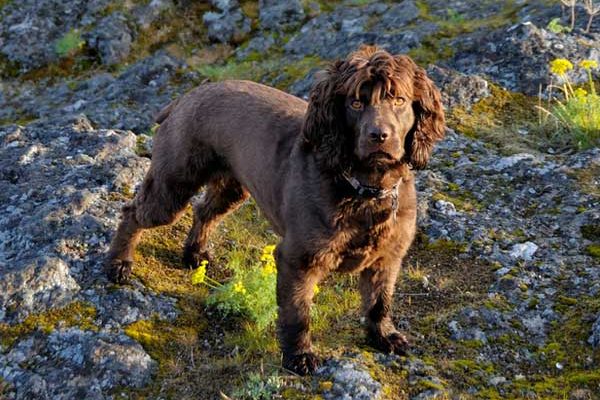
This breed‘s crowning glory is its long, shaggy coat, which comes in solid shades of black, blue-gray, brown, and white, as well as black and white and tri-colored. The dense undercoat and harsh outer coat form an insulating layer that protects the Schapendoes from the elements.
One charming characteristic is the abundant facial hair, including a beard, moustache and bushy eyebrows. Combined with alert, friendly eyes and a slightly smiling expression, this gives the Schapendoes an exceptionally sweet and endearing look.
The breed‘s plumed tail is another distinguishing feature. When excited or moving quickly, the Schapendoes often holds their tail high or stretched out straight behind them, using it as a "rudder" for balance.
Schapendoes Temperament
The Schapendoes is known for its lively, happy personality. They are upbeat, energetic and always up for an adventure. Schapendoezen (the plural form) bond closely with their families and want nothing more than to spend time with their favorite people.
These are smart, eager-to-please dogs who are very trainable. They excel at canine sports like agility, flyball, and obedience trials, and many enjoy herding trials that allow them to flex their natural instincts. The Schapendoes is happiest when given a job to do, whether actual work or play that engages their busy brain.
While they make poor guard dogs, the alert Schapendoes does have some watchdog tendencies and will bark to let you know when someone approaches the home. They can be somewhat reserved with strangers but warm up quickly once properly introduced. Early and ongoing socialization helps them develop into confident, well-mannered adults.
The affable Schapendoes gets along well with children, other dogs, and pets when raised with them. They are not prone to aggression and their high energy is "busy" rather than overly boisterous, though their enthusiasm may overwhelm very small kids or frail elderly people.
Caring for Your Schapendoes
Grooming
Despite its abundant double coat, the Schapendoes is relatively low-shedding and low-odor, needing only weekly brushing to keep the coat healthy. They don‘t need haircuts, just occasional trimming of the hair between their paw pads. Baths are only required every few months unless they get particularly dirty.
The one time Schapendoes need a lot of grooming is during the transition from puppy to adult coat, which occurs around 8-12 months old. Daily brushing is necessary during this phase to prevent mats and remove loose undercoat. Many owners take their Schapendoes to a professional groomer every 4-6 weeks during this time for intensive dematting and trimming.
Exercise
As a former sheepdog, the Schapendoes has high exercise needs and requires an active home. Expect to provide at least an hour of heart-pumping activity per day, which can take the form of long walks, jogging, hiking, vigorous play sessions, or training for dog sports.
A tired Schapendoes is a happy Schapendoes. Without enough physical stimulation, this breed is prone to boredom and may develop nuisance behaviors like excessive barking, digging or destructive chewing. Puzzle toys, trick training, and games like hide-and-seek provide much-needed mental exercise.
Training
The Schapendoes is smart, highly trainable and thrives on positive reinforcement-based training. Start training early and be consistent with house rules. Like many herding breeds, Schapendoes puppies may attempt to nip at heels during play. Teaching them to play gently with toys rather than human body parts helps nip this in the bud.
As eager learners and people-pleasers, Schapendoezen are more sensitive than strong-willed. Keep training sessions upbeat and reward them with play, praise and treats. Short sessions ending on a high note are better than long, repetitive drills.
Socialization is also key. Introduce your Schapendoes to many different people, animals, and environments as a puppy to help them grow into a confident, friendly adult.
Feeding
Most Schapendoes do well on a high-quality, meat-based diet appropriate for their life stage (puppy, adult or senior). Highly active dogs may benefit from a working or performance dog formula to meet their calorie needs. Prevent obesity by measuring meals and limiting treats to 10% of daily calories.
Health
The Schapendoes is a generally healthy breed with a lifespan of 12-14 years. Like all breeds, they can be prone to certain health conditions, including:
- Hip dysplasia: Malformation of the hip joint that can cause pain and lameness. X-ray screening is important.
- Progressive retinal atrophy (PRA): Gradual deterioration of the retina leading to night blindness and vision loss. DNA tests can identify at-risk dogs.
- Patent ductus arteriosus (PDA): Congenital heart defect where an embryonic blood vessel fails to close, straining the heart. Requires surgical correction.
Choose a reputable breeder who health tests their dogs and provides a written health guarantee. Annual vet checkups, along with proper diet and exercise, help your Schapendoes live a long, healthy life.
The Perfect Schapendoes Home
The ideal home for a Schapendoes is an active one that can provide plenty of physical and mental stimulation. Though adaptable in terms of living space, they are not suited for homes where they are alone most of the day or get minimal exercise. Dog sports and hiking are favorite pastimes for these agile herders.
Schapendoezen are excellent with children and other pets when properly socialized. Singles, couples, and families who are frequently active outdoors make a great match. First-time owners can do well with this breed, as they are sensitive and less dominant than some herding breeds. Still, they require dedicated training and may be too energetic for the very elderly or those with very young kids.
If you‘re willing to put in the exercise and grooming effort, your reward is a smart, infectiously happy dog that will be by your side through thick and thin.
Finding a Schapendoes
Schapendoezen remain rare outside their native Netherlands, so expect to do research and likely be put on a waiting list when seeking a puppy. The breed‘s rarity means there are few to no dogs in shelters or rescues. Most US owners import dogs from the Netherlands or a handful of breeders in Canada.
Due to costs of breeding and importing, Schapendoes pups are expensive, often $2000-$3000. Beware of anyone offering puppies at heavily discounted prices, as these may come from puppy mills or irresponsible breeders. Reputable breeders perform health testing on their dogs, provide a written contract, and are knowledgeable about the breed.
Organizations like the Schapendoes Club of Canada and American Schapendoes Club provide breeder referrals for those seeking the breed. Meeting dogs and owners at events held by these clubs can also provide valuable insight into living with this unique herding dog.
However you find your Schapendoes, expect to provide plenty of exercise, socialization, and love. In return, these long-haired charmers will be a constant source of smiles, laughter and shaggy hugs for many years to come.
Schapendoes Fun Facts
-
The Schapendoes name comes from the Dutch words "Schapen," meaning sheep, and "does," meaning swamp or marsh. So their name literally translates to "sheep marsh."
-
Unlike many herding breeds, the Schapendoes herds primarily by nudging and pushing the livestock rather than gripping or nipping. This makes them less "mouthy" than some sheepdogs.
-
Singer Elton John is a fan of the breed and has been photographed with his pet Schapendoes.
-
The plural of Schapendoes is Schapendoezen.
-
While adults have an abundant beard and mustache, Schapendoes puppies have short facial hair. The long eyebrows, beard and stache grow in between 2-6 months old.
-
The first Schapendoezen arrived in the United States in the 1970s but the breed remains unrecognized by the American Kennel Club as of 2023. It is part of the AKC‘s Foundation Stock Service, the first step towards full recognition.