What Were Mastiffs Bred For? An In-Depth Look at the Magnificent Mastiff
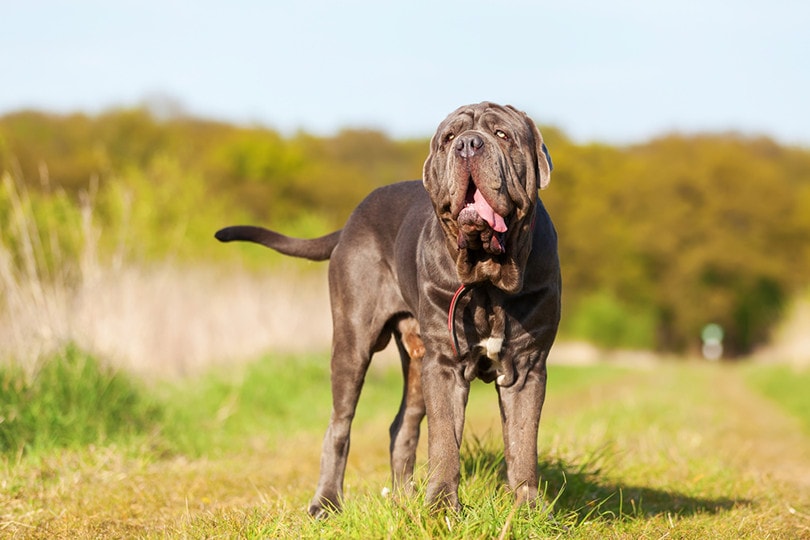

Mastiffs are a breed that have captured the hearts of dog lovers for centuries. These massive, majestic dogs are known for their gentle, loving nature and their unwavering loyalty to their families. But beneath their soft exterior lies a fierce history – one that includes serving as war dogs, guarding royalty, and even fighting lions. So, what exactly were Mastiffs originally bred for? Let‘s take a closer look at the fascinating history of this ancient and beloved breed.
The Mastiff‘s Origins as a War Dog and Guard Dog
The Mastiff‘s story begins over 5,000 years ago in Central Asia, where they were descended from the ancient Molosser dogs. Molossers were large, powerful dogs used by the Assyrians, Babylonians, Greeks, and Romans for a variety of purposes, including as war dogs and guardians.
In battle, Mastiffs were formidable opponents. Their massive size and strength allowed them to break enemy lines and take on adversaries much larger than themselves. In fact, some Mastiffs were even fitted with armor and spiked collars to make them even more fearsome in combat. One famous example of a war Mastiff was Buddah, who served in World War II and was awarded the Dickin Medal (the animal equivalent of the Victoria Cross) for his bravery.
As guard dogs, Mastiffs were highly valued for their fierce loyalty and protective instincts. They guarded estates, livestock, and even royalty. Their immense size and powerful bark were enough to deter most intruders, but Mastiffs would not hesitate to defend their charges with force if needed. There are countless stories throughout history of Mastiffs laying down their lives to protect their owners.
The Mastiff‘s Tragic History as a Fighting Dog
Sadly, Mastiffs were also bred for a much more brutal purpose – as fighting dogs. For centuries, blood sports like bear-baiting, bull-baiting, and lion-baiting were popular forms of entertainment, particularly among the nobility. Mastiffs, with their size, strength, and courage, were often pitted against these much larger animals in fights to the death.
In addition to fighting bears and lions, Mastiffs were also forced to fight each other in organized dog fights. These cruel and brutal contests were designed to test the Mastiff‘s strength, tenacity, and fighting spirit. Unfortunately, this dark chapter in the breed‘s history had a profound impact on the Mastiff‘s temperament, as aggression and viciousness were actively encouraged and bred for.
It wasn‘t until the 19th century that blood sports were finally outlawed, and the Mastiff‘s role began to shift towards that of a companion and show dog. However, the scars of the breed‘s fighting past can still be seen in some of the more aggressive tendencies that can emerge without proper training and socialization.
The Mastiff‘s Impressive Size and Stature
One of the most striking things about Mastiffs is their sheer size. These gentle giants can weigh up to 230 pounds and stand over 30 inches tall at the shoulder. In fact, the largest dog ever recorded was an English Mastiff named Aicama Zorba, who weighed in at a whopping 343 pounds and stood 37 inches tall.
To put the Mastiff‘s size into perspective, here is a table comparing the average height and weight of Mastiffs to some other large dog breeds:
| Breed | Average Height (inches) | Average Weight (pounds) |
|---|---|---|
| Mastiff | 27.5-30+ | 120-230 |
| Great Dane | 28-32 | 110-175 |
| Irish Wolfhound | 30-35 | 105-120 |
| Newfoundland | 26-28 | 100-150 |
| Saint Bernard | 25.5-27.5 | 120-180 |
As you can see, Mastiffs are consistently one of the largest dog breeds in terms of both height and weight. Their massive size is a testament to their strength and power, which were so highly valued in their original roles as war dogs, guard dogs, and fighting dogs.
The Mastiff‘s Resurgence as a Beloved Companion Breed
Despite their formidable history, Mastiffs have experienced a resurgence in recent years as beloved companion animals. While they were once quite rare, Mastiffs have steadily climbed the ranks of the American Kennel Club‘s most popular breeds. In the 1950s, Mastiffs ranked 121st out of 140 AKC-recognized breeds. By 2020, they had risen to 29th out of 195 breeds.
Here is a table showing the Mastiff‘s AKC popularity rank and registration numbers over the past few decades:
| Year | AKC Rank | # Registrations |
|---|---|---|
| 2020 | 29 | 4,029 |
| 2010 | 28 | 3,369 |
| 2000 | 39 | 1,998 |
| 1990 | 55 | 1,131 |
| 1980 | 92 | 191 |
So what is it about Mastiffs that have captured the hearts of so many dog lovers in recent years? According to Dr. Stanley Coren, a professor of psychology and renowned canine expert, it‘s their gentle, affectionate nature. "Mastiffs are often referred to as ‘gentle giants‘ because of their sweet, calm demeanor," says Dr. Coren. "They are incredibly loyal and protective of their families, but they are also very patient and gentle, especially with children."
Of course, owning a Mastiff is not for everyone. These massive dogs require plenty of space, exercise, and training to thrive. They also have strong guard dog instincts that must be properly managed through socialization and positive reinforcement. But for those who are willing to put in the time and effort, Mastiffs can make truly exceptional companions.
The Enduring Legacy of the Magnificent Mastiff
From war dogs to fighting dogs to beloved family pets, Mastiffs have played many roles throughout their long and storied history. But through it all, certain qualities have remained constant: their courage, their loyalty, and their kind, gentle souls.
Today, Mastiffs continue to capture our imaginations and our hearts. They remind us of a bygone era when dogs were more than just pets – they were partners, protectors, and even soldiers. But they also embody the very best of what we love about dogs: their unwavering devotion, their joyful spirits, and their ability to love unconditionally.
As the Mastiff Club of America so eloquently puts it, "The Mastiff is a combination of grandeur and good nature, courage and docility. He is a powerful yet gentle and loyal companion, courageous yet calm. He is a noble giant with a unique personality that has won him admirers around the world."
Whether you are a longtime Mastiff lover or are just discovering this magnificent breed for the first time, there is no denying the enduring appeal of these gentle giants. They may have started out as war dogs and fighting dogs, but today, Mastiffs are cherished for their kind hearts, their unwavering loyalty, and their unbreakable spirits. They are truly a breed unlike any other.
Sources
- American Kennel Club. (2021). Mastiff. Retrieved from https://www.akc.org/dog-breeds/mastiff/
- Coren, S. (2006). The Intelligence of Dogs: A Guide to the Thoughts, Emotions, and Inner Lives of Our Canine Companions. Free Press.
- Mastiff Club of America. (2021). About the Mastiff. Retrieved from https://mastiff.org/about-the-mastiff/
- Morris, D. (2001). Dogs: The Ultimate Dictionary of Over 1,000 Dog Breeds. Trafalgar Square Publishing.
- Palika, L. (2012). The Howell Book of Dogs: The Definitive Reference to 300 Breeds and Varieties. Howell Book House.