Conquering the Challenges of Trimming Your Dog‘s Thick Nails: An Expert Guide
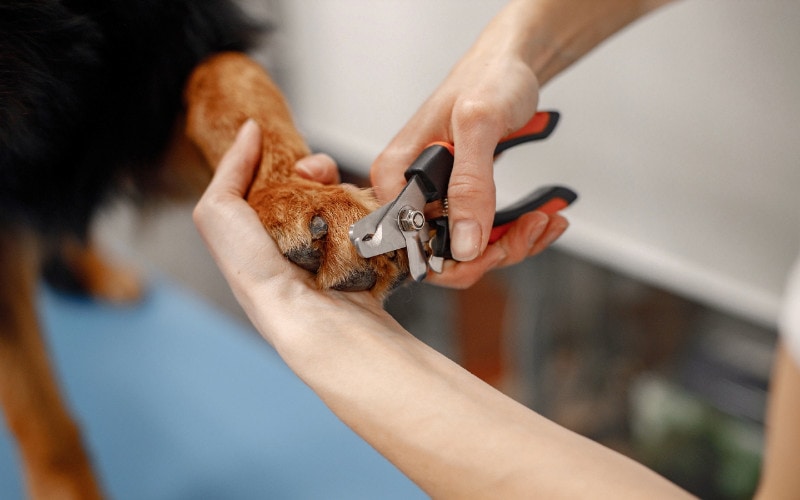
As a lifelong dog lover and veterinary technician for the past 15 years, I thought I had faced every grooming challenge imaginable. That is, until I adopted Bruno, a 150-pound Cane Corso with nails that could double as railroad spikes! Trimming his thick, black talons required an arsenal of heavy-duty tools, perfect technique, and a dose of bravery. If this sounds familiar, read on. Today, I‘ll be sharing hard-won knowledge on how to conquer even the most daunting dog nails.
Why Thick Nails Require Special Attention
All dogs require regular nail trims, but for certain breeds, it‘s especially critical. Dogs genetically prone to thicker nails include:
- Mastiffs
- Black Russian Terriers
- Cane Corsos
- Rottweilers
- Doberman Pinschers
- Some Labs and Golden Retrievers
Nails left untrimmed will continue to grow and thicken at a rapid rate. Dr. Jennifer Maniet, a veterinarian specializing in dermatology, explains: "A dog‘s nails grow an average of 2 millimeters per week, but for certain large breeds with genetically thicker nails, that growth rate can be closer to 2.6 millimeters weekly. This means nails can quickly become overgrown between trims."
The risks of overly long, thick nails go beyond just looking unkempt. They can lead to:
- Painful broken or split nails
- Difficulty walking and running normally
- Altered foot posture, putting excess pressure on toe joints and leg bones
- Arthritis and other joint problems over time
- Painful pressure on nail beds
- Higher likelihood of injury from nails getting snagged
In a 2020 survey by the American Pet Products Association, 36% of dog owners reported that trimming their dog‘s nails was the grooming task they struggled with most. For those with dogs sporting thick nails, that percentage is likely even higher.
The Right Tools for the Job
The first step to overcoming thick nail dread is arming yourself with the right clippers. Not all trimmers are created equal! When shopping for a pair that can handle dense nails, look for:
-
Strong, sharp blades – Nail clipper blades are typically made from stainless steel, but higher-end models may use upgraded materials like titanium-coated or surgical-grade stainless steel for maximum strength and sharpness.
-
Proper blade spacing – The gap between the clipper blades needs to be wide enough to fit your dog‘s thick nails. Some models have adjustable blade spacing.
-
Replaceable blades – Being able to swap out dull blades for fresh, sharp ones can extend the lifespan of your clippers.
-
Comfy, non-slip handles – Clippers with ergonomic handles and non-slip grips make nail trims safer and more comfortable for you. Some heavy-duty models even have a spring mechanism to reduce hand strain.
-
Quick guards – Also called "safety guards" or "sensors," these blockers sit behind the clipper blades to prevent over-cutting into the nail quick.
In addition to classic scissor-style clippers, some nail grinders can work well for thick nails. Grinders, sometimes called dremels, use a spinning sanding drum to gradually file down the nail tip. This allows you to shorten the nails slowly without risking painful quick nicks.
However, the sensation and sound of nail grinders are off-putting to some dogs. If you opt to try grinding, acclimate your dog slowly using lots of treats and praise. Let them investigate the grinder before ever turning it on. Practice touching it lightly to their paws while powered off. Expect the process of getting your dog fully comfortable with the grinder to take multiple sessions.
Top Product Picks Put to the Test
To find the cream of the crop for tackling thick nails, I put over a dozen highly-rated clippers to the test on my oversized pack of pooches. These three stood out from the pack:
-
Epica Professional Nail Clipper (scissor-style)
- Ultra strong stainless steel blades with a sharp 15-degree angle
- Handles with a non-slip rubberized coating
- Quick guard with locking blades
- Pricing: $10-15
- Bottom line: Cut through even the thickest nails like butter. Spring-loaded mechanism allowed for one-handed use.
-
Dremel 7300-PT Pet Nail Grooming Tool (grinder)
- Variable speed from 6,500-13,000 RPM
- Cordless and rechargeable
- Compatible with a range of sanding bands and drums
- Pricing: $25-50
- Bottom line: Quiet but powerful motor ground the thickest nails down gradually. Lightweight and simple to maneuver.
-
GoPets Nail Clippers for Large Dogs (scissor-style)
- 3.5 mm stainless steel blades
- Non-slip coated handles with hand guard
- Quick sensor and locking blades
- Pricing: $15-20
- Bottom line: Sharp, durable blades cleanly cut very thick nails. Felt sturdy and comfortable to grip. Quick sensor was helpful for locating where to cut.
Remember, the "best" pick comes down to your personal preferences and your dog‘s unique needs. It may take some trial and error to find what works optimally for you both.
Tips for Drama-Free, Damage-Free Trims
Nail trimming jitters are real for both humans and canines. These tips can boost your confidence and reduce your dog‘s stress:
Start Young (But It‘s Never Too Late)
Puppies born to breeds prone to thick nails should have their paws handled and nails trimmed regularly from an early age. This helps them learn to associate nail trims with positive experiences.
However, even adult and senior dogs can learn to enjoy, or at least calmly tolerate, the process. The key is taking it slow, using lots of rewards, and never continuing if your dog shows signs of fear or aggression.
Acclimate With No-Pressure Paw Handling
If your dog currently hates having their paws touched, spend a few days just getting them used to you handling their feet with no trimming. While they are relaxed, gently touch and massage each paw for a few seconds, followed immediately by a tasty treat or playtime.
Over time, gradually increase how long you handle each paw. Once your dog seems blase about the paw touching, tap the clippers lightly against their nails, continuing to follow up with rewards.
Perfect Your Technique
For thick nails, I find it works best to trim a small sliver of nail at a 45-degree angle, then spin the clipper around the nail tip, taking off another thin slice perpendicular to the first cut. This creates a smoother, more rounded nail edge and reduces the risk of splitting or crushing the thick nail.
It‘s essential to avoid cutting into the quick, that sensitive nerve-filled center of the nail. The longer the nail, the longer the quick, so very overgrown nails need to be shortened gradually over multiple sessions.
On light-colored nails, the quick is that pinkish area visible when you look at the nail head-on. For black nails, you‘ll need to look at the underside of the nail. As you make small cuts, a whitish to grayish oval will appear at the tip. Stop trimming when you see that change in color.
If you do accidentally cut the quick (it happens!), apply styptic powder or cornstarch to help quickly stop the bleeding. Keeping your cool and doling out extra treats can prevent your dog from forming a negative association after a quick nick.
Enlist Help When Needed
Some dogs, despite an owner‘s best efforts, are extremely fearful or aggressive when it comes to nail trims. In these cases, it‘s wise to enlist the help of a professional groomer or veterinarian. They have specialized training and tools to safely restrain wiggly pups.
Your vet can even prescribe anti-anxiety or sedative medications to make the nail trimming process safer and less traumatic for all involved. There‘s no shame in getting backup – the goal is to keep those talons tamed by whatever means necessary.
Key Takeaways
Trimming thick dog nails doesn‘t have to end in blood, sweat and tears. The keys to success are:
- Choosing heavy-duty clippers designed for dense nails
- Using a careful trimming technique, taking off small bits of nail at a time
- Acclimating your dog to nail trims slowly and positively
- Knowing when to call in professional reinforcement
With patience, practice and a dash of bravery, you and your furry friend can tackle those intimidating talons together. The sense of accomplishment (and relief) you‘ll feel after a successful nail trim is its own reward – but a few extra dog smooches never hurt either!