The Berger Picard: A Comprehensive Guide to the Shaggy French Shepherd
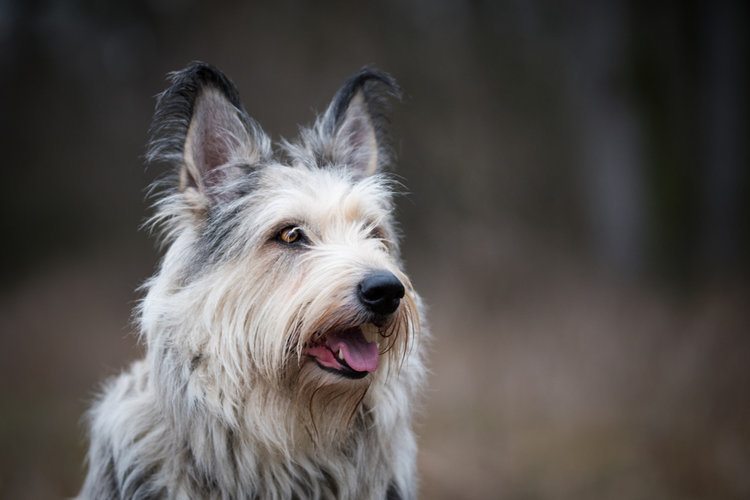

Are you looking for an independent, highly intelligent dog with a rich history and a heart of gold? Look no further than the Berger Picard, a rare and captivating French herding breed known for its shaggy good looks, keen mind, and enduring work ethic. In this comprehensive guide, we‘ll explore the history, characteristics, care needs, and unique personality of the Berger Picard to help you determine if this often-overlooked breed might be the perfect addition to your family.
The Fascinating History of the Berger Picard
The Berger Picard‘s story begins in northern France, where they were developed centuries ago as an all-purpose farm dog and sheep herder. With their origins tracing back to ancient sheepdogs brought by the Celts as early as 400 BCE, the Berger Picard became deeply interwoven with the pastoral culture of the Picardy region.
According to breed historian and author Betsy Richards, "The Berger Picard was the first herding breed developed in France and has played an integral role in the country‘s agricultural heritage. For centuries, these rugged, intelligent dogs have worked alongside shepherds and farmers, enduring harsh conditions with tireless dedication."
Sadly, the Berger Picard nearly went extinct in the early 20th century, as World Wars I and II devastated the French countryside and decimated the breed‘s numbers. By the 1950s, only a few dozen Berger Picards remained. The breed owes its survival to the efforts of a handful of dedicated breeders who scoured the country for remaining dogs and began a careful breeding program to revive the population.
Today, the Berger Picard remains a rare breed, with only a few hundred dogs registered annually worldwide. In their native France, the breed is still primarily a working dog, with many earning their keep as shepherds, livestock guardians, and all-around farm hands. In recent years, the breed‘s versatile working ability and keen intelligence have also earned them fans as search and rescue dogs, service dogs, and competitors in a variety of dog sports.
Breed Characteristics: The Berger Picard Look
The Berger Picard is a medium-sized, sturdily built herding dog known for their distinct shaggy appearance. Standing 21 to 26 inches tall at the shoulder and weighing 50 to 70 pounds, with males larger than females, the breed has a rugged yet elegant presence.
One of the Berger Picard‘s most striking features is their coat, a rough, crisp topcoat with a soft, dense undercoat. The coat is medium length, with a slight wave or curl, and comes in shades of fawn and brindle. Grooming is minimal, with a weekly brushing to remove loose hair and occasional bathing all that‘s needed to maintain the breed‘s natural, tousled look.
The Berger Picard‘s head is slightly elongated, with a tapered muzzle, alert, pointy ears, and bright, expressive eyes that convey a keen intelligence. The overall impression is one of rustic simplicity and agile strength, with a body built for hard work and endurance.
According to the breed standard, the ideal Berger Picard is well-balanced and muscular, with a deep chest, sturdy bone structure, and strong, flexible pasterns. The breed‘s signature movement is a tireless, ground-covering trot that allows them to work all day without fatigue.
Temperament and Personality: The Independent Thinker
As a herding breed developed to work independently, the Berger Picard is known for their intelligence, resourcefulness, and strong work ethic. Bred to problem-solve and make decisions on their own, the breed has a self-assured, adaptable nature that can be both a joy and a challenge to live with.
Aloof with strangers but deeply devoted to their families, Berger Picards are more reserved than effusive in their affections. While they bond intensely with their owners and are always ready to work or play, they don‘t require constant attention and physical touch the way some breeds do.
Courageous and alert, the Berger Picard has strong protective instincts and makes an excellent watchdog. However, early and extensive socialization is a must to prevent aloofness from becoming suspicious or fearful behavior. Exposing your Berger Picard puppy to a wide variety of people, animals, and situations will help ensure a well-adjusted, discriminating adult.
As a herding breed, Berger Picards have strong prey and chase instincts, as well as a tendency to nip at the heels of running children or animals. While not aggressive by nature, these behaviors can be challenging to control without proper training and outlets for the breed‘s high energy and mental stimulation needs.
Activity and Training: Engaging the Berger Picard‘s Clever Mind
The Berger Picard is an active, agile breed that requires plenty of physical and mental exercise to thrive. Expect to provide at least an hour to 90 minutes of activity per day, preferably through a combination of long walks, vigorous play sessions, and mentally stimulating training or dog sports.
As an intelligent, independent breed, the Berger Picard can be challenging to train without the right approach. Positive reinforcement methods that reward good behavior and keep sessions fun and engaging work best. Harsh corrections or repetitive drills will only dampen your Picard‘s enthusiasm and lead to stubbornness.
Berger Picards excel at a variety of dog sports, including herding trials, agility, obedience, and nose work. Participating in these activities not only provides an excellent physical outlet but also engages the breed‘s bright mind and strengthens the bond between dog and owner.
With consistent leadership and an outlet for their energy, Berger Picards can be highly trainable and adaptable companions. However, they do best with experienced owners who can provide firm, fair guidance and plenty of mental stimulation.
Health Concerns and Lifespan
The Berger Picard is generally a hardy, long-lived breed with few genetic health issues. The average lifespan is 12-13 years, with many dogs living well into their teens with proper care.
Like many medium to large breeds, hip dysplasia can be a concern, with an estimated 10-20% of dogs affected. Responsible breeders screen their breeding stock for this condition, as well as for eye health issues like progressive retinal atrophy (PRA) and hereditary cataracts.
According to a 2018 breed health survey by the Berger Picard Club of America, the most commonly reported health issues in the breed are:
- Hip dysplasia (19.5% of dogs)
- Allergies (10.9%)
- Hypothyroidism (7.8%)
- Cruciate ligament rupture (6.3%)
Overall, the breed‘s small gene pool and careful breeding practices have helped maintain a high level of health and genetic diversity. The Berger Picard‘s natural hardiness and medium size also likely contribute to their longevity and resilience.
Grooming and Care: Maintaining the Berger Picard‘s Rustic Look
The Berger Picard‘s low-maintenance coat is one of the breed‘s most appealing features for many owners. Weekly brushing with a slicker brush or pin brush is usually sufficient to remove loose hair and keep the skin and coat healthy.
Shedding is generally minimal, although the breed will "blow coat" once or twice a year, losing their thick undercoat in large clumps. During these times, more frequent brushing can help remove the loose fur and minimize shedding around the house.
The Berger Picard‘s coat has a natural ability to shed dirt and repel water, so bathing is only necessary a few times a year, unless the dog gets into something particularly messy. When bathing, use a mild, dog-specific shampoo and rinse thoroughly to prevent irritation.
Other grooming needs include regular ear cleaning, tooth brushing, and nail trims. Check your Picard‘s ears weekly for redness, odor, or excessive wax buildup, and clean with a veterinarian-recommended solution if needed. Brush your dog‘s teeth daily, or at least a few times a week, and trim their nails every 2-3 weeks, or as needed.
The Ideal Home and Owner for a Berger Picard
Given their high energy level, independent nature, and strong working instincts, Berger Picards are not the ideal breed for every owner or living situation. They thrive in homes with plenty of space to run and play, and with owners who can provide consistent leadership and plenty of physical and mental stimulation.
Berger Picards do best with a securely fenced yard where they can burn off energy and engage in natural behaviors like exploring and watching over their territory. They are not well-suited to apartment living or to being left alone for long periods without exercise or interaction.
As a herding breed with strong prey and chase drives, Berger Picards may try to herd children, cats, or other pets if not properly trained and socialized. They do best with older, respectful children who understand how to interact with dogs appropriately.
First-time dog owners may find the Berger Picard‘s intelligence and independence challenging. The breed thrives with consistent, positive training and clear boundaries, and may become stubborn or destructive without proper guidance and an outlet for their energy.
Owners who are active, experienced with working breeds, and committed to providing plenty of exercise and mental stimulation will be rewarded with a loyal, devoted, and endlessly interesting companion in the Berger Picard.
Fascinating Facts and Stats About the Berger Picard
-
The Berger Picard is named after their region of origin, Picardy, in northern France. "Berger" means "shepherd" in French.
-
The breed‘s distinctive shaggy coat helped them blend in with the sheep they herded and protected them from harsh weather.
-
During World War I, some Berger Picards served as messenger dogs, delivering crucial communications on the front lines.
-
The Berger Picard is the oldest of the French sheepdogs, with a history dating back to the 9th century.
-
As of 2021, the Berger Picard ranked 144th out of 195 breeds in popularity with the American Kennel Club.
-
A Berger Picard named Winn-Dixie was the canine star of the 2005 film "Because of Winn-Dixie."
-
The average litter size for the Berger Picard is 4-8 puppies.
-
The breed‘s French nickname is "Picard," while in the United States they are often affectionately called "Picards" or "Bergers."
Resources to Learn More About the Berger Picard
- Berger Picard Club of America (BPCA): The official AKC Parent Club for the breed, with information on breed history, health, events, and breeder referrals.
- BPCA Breed Health Survey Results: Comprehensive health data on the breed from a 2018 survey of owners and breeders.
- "The Berger Picard: A Rare Breed With a Bright Future" by Betsy Richards: An in-depth article on the breed‘s history and modern revival from the AKC Gazette.
- Berger Picard Club of Canada: The official breed club for the Berger Picard in Canada, with information on the breed standard, events, and breeders.
- "Herding Dogs: Selecting and Training the Working Farm Dog" by Stephen Bilheimer: A comprehensive guide to herding breeds, including the Berger Picard, with insights on their working style and training needs.
Why a Berger Picard Might Be the Dog For You
If you‘re looking for a highly intelligent, independent, and adventurous companion with a rich history and a heart of gold, the Berger Picard might just be your ideal match. With their keen mind, tireless work ethic, and devoted nature, these rare French shepherds have a unique charm that‘s hard to resist.
Living with a Berger Picard is never dull – these dogs thrive on new experiences and challenges, and will keep you on your toes with their clever antics and problem-solving skills. They may not be the cuddliest or most outgoing of breeds, but their loyalty and partnership are unwavering once you‘ve earned their trust.
For active owners who appreciate an intelligent, independent dog with a strong working drive, the Berger Picard can be an endlessly fascinating and rewarding companion. With their versatility and adaptability, these dogs can excel at a wide variety of activities and roles, from herding and farm work to therapy and service dog tasks.
Of course, owning a Berger Picard is not without its challenges. These dogs require consistent training, plenty of exercise and mental stimulation, and a willingness to work with their independent streaks. They may not be the best fit for first-time owners, those with very young children, or those seeking a low-key lap dog.
But for the right person, the Berger Picard is a once-in-a-lifetime dog – a true partner in adventure, work, and play. If you‘re ready for the challenge and the joy of sharing your life with one of these remarkable dogs, do your research, find a reputable breeder, and get ready for a journey you‘ll never forget.
As breed enthusiast and author Betsy Richards puts it, "The Berger Picard is not a breed for everyone, but for those who appreciate their unique qualities, they are a treasure beyond compare. These dogs have a way of capturing your heart and changing your life in ways you never expected."