
Australian Shepherd vs Labrador – Breed Comparison (With Pictures)
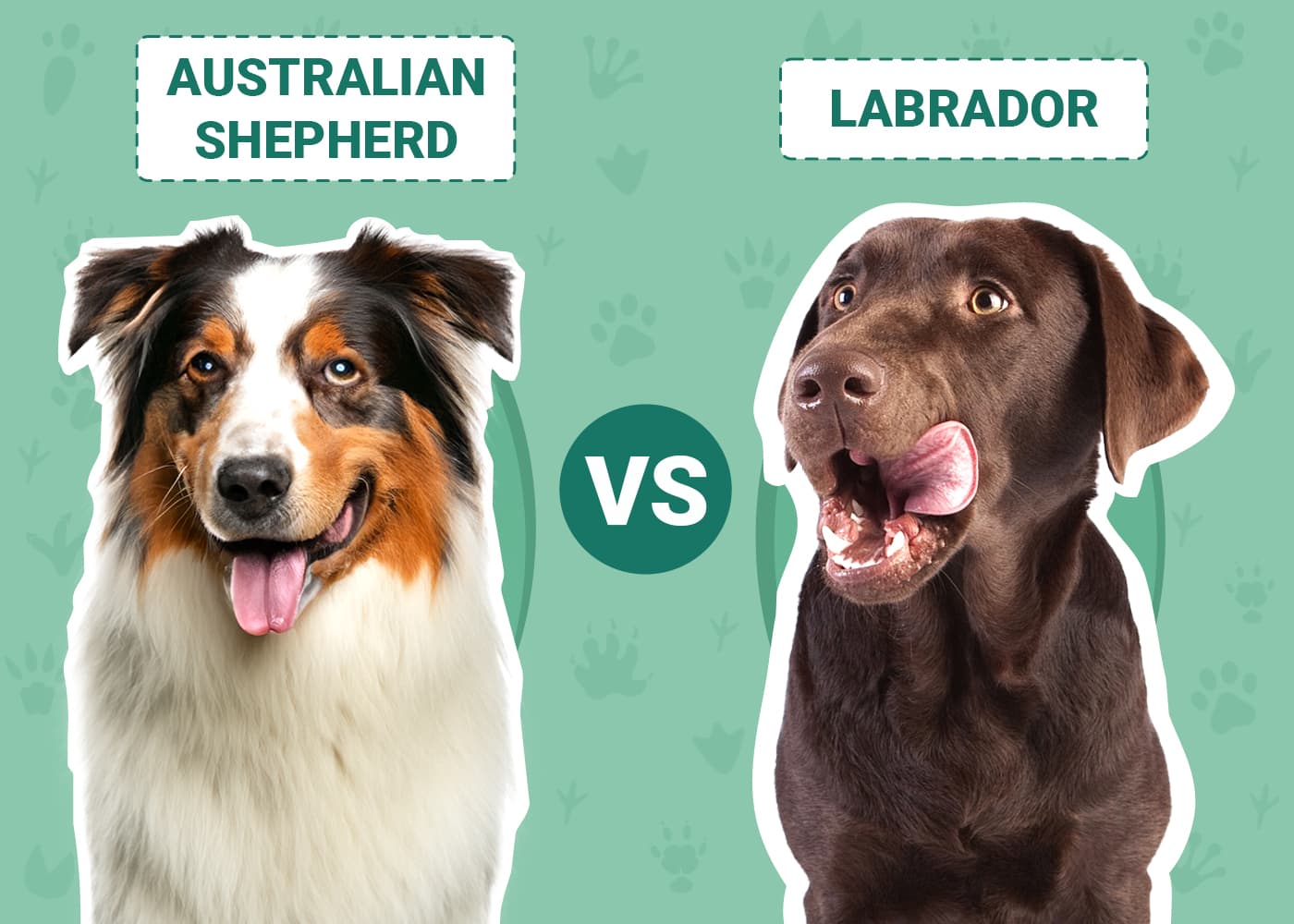
Australian Shepherd vs Labrador Retriever: Which Breed is Right for You?
Introduction
Are you trying to decide between an Australian Shepherd and a Labrador Retriever for your next canine companion? These two popular breeds may have some similarities, but they were developed for very different purposes and have distinct personalities. Let‘s take an in-depth look at the history, traits, and care needs of the Aussie and the Lab to help you determine which breed is the best match for your lifestyle.
Breed History and Original Purpose
Despite what their name suggests, Australian Shepherds were actually developed in the Western United States, not Australia, in the 19th century. Ranchers bred them to be the ultimate herding dog, with the stamina, intelligence, and strong work drive needed to tirelessly work livestock all day in tough conditions. Those herding instincts are still very much part of the modern Aussie‘s personality.
The Labrador Retriever, on the other hand, originated in Newfoundland in the 1500s. Originally called the St. John‘s Dog, they were bred to help fishermen retrieve nets, fish, and other gear from the cold waters of the North Atlantic. Their webbed paws, dense waterproof coats, and strong swimming abilities made them well-suited for this job. Over time, the breed was refined in England and became prized as skilled hunting companions who specialize in retrieving downed waterfowl. Today, they are the most popular breed in the United States.
Physical Characteristics and Appearance
Australian Shepherds are medium-sized dogs with athletic, muscular frames. They typically weigh between 40-65 pounds and stand 18-23 inches tall at the shoulder. One of their most distinguishing features is their beautiful, medium-length double coat, which comes in four main colors: black, blue merle, red, and red merle. Many Aussies have striking marbled coats and unique white or tan markings on the face, chest, and legs. Their ears are triangular and sit high on the head, giving them an alert, attentive expression.
Labrador Retrievers are larger, sturdier dogs. Males generally weigh 65-80 pounds and females 55-70 pounds. They stand 21.5-24.5 inches tall. Labs have short, dense double coats that come in three colors: black, chocolate, and yellow. Their broad heads have a kind, friendly expression with warm brown or hazel eyes. They are strongly built with powerful legs, a deep chest, and an "otter tail" that aids in swimming.
Temperament and Personality
Australian Shepherds are known for being highly intelligent, active, and loyal. They bond very closely with their owners and need to be part of the family. Aussies are always happiest when they have a job to do, whether that‘s herding livestock, competing in agility or obedience, or going on adventures with their humans. They tend to be reserved with strangers and have strong natural guarding instincts. Those herding instincts also mean Aussies may try to round up children or other pets if not given another outlet. They are best suited for owners who lead an active lifestyle and want a dog to be their constant companion.
The outgoing, eager-to-please Lab is the quintessential family dog. They are famous for their friendly temperaments and get along with just about everyone they meet – humans and animals alike. While not as intense as the Aussie, Labs still have plenty of energy and love being active with their families. Due to their retrieving background, many love playing fetch and are strong swimmers. They tend to maintain a puppy-like playfulness well into adulthood and have goofy, endearing personalities. Labs are adaptable and do well in many different living situations as long as they get enough exercise.
Exercise Needs
As a herding breed with great stamina, Australian Shepherds require a lot of physical and mental stimulation to be happy and well-behaved. Expect to provide a minimum of 60-90 minutes of vigorous exercise daily, along with plenty of brain games and training. Aussies thrive when they can put their intelligence and work ethic to use with a job like herding, agility, flyball, etc. Without sufficient activity, they can become bored and destructive. Puzzle toys, frequent training sessions, and opportunities to run and play are a must.
While energetic, Labrador Retrievers have more moderate exercise needs than Aussies, with 30-60 minutes per day being sufficient for most. Of course, many Labs (especially young ones) will happily go for longer! Favorite activities include swimming, fetching, hiking, and jogging with their owners. Labs can adapt well to many living situations, including apartments, as long as they get out for walks and playtime. Interactive toys and games will help keep your Lab mentally stimulated.
Training and Intelligence
Australian Shepherds are extremely intelligent and excel at learning new things. In fact, they are considered one of the smartest dog breeds and are superstars at advanced training and tricks. That intelligence comes with a certain stubborn streak, though – Aussies like to think for themselves and may challenge owners who are not confident leaders. Training should be firm and consistent, with plenty of positive reinforcement. Socialization from a young age is also very important to help your Aussie feel confident in different situations. Participating in dog sports is ideal for giving your Aussie an outlet for their keen mind and boundless energy.
Labrador Retrievers are also highly intelligent, consistently ranking in the top 10 smartest breeds. They are famously easy to train due to their people-pleasing personalities and strong food motivation. Start training early and be consistent, but keep things fun – Labs learn best through play and positive, reward-based methods. While most do very well with basic obedience, they also have the potential to excel in advanced training. Their gentle, stable personalities make them well-suited for jobs like therapy work, assistance dogs, and search-and-rescue.
Potential Health Issues
As with many purebred dogs, Australian Shepherds can be prone to certain genetic health problems. These include hip and elbow dysplasia, certain eye disorders such as cataracts and progressive retinal atrophy, epilepsy, and sensitivities to certain drugs. There are also some neurological issues that can occur in Aussies with the merle gene, including deafness and vision impairment. Reputable breeders will screen their dogs for these issues and provide health clearances. Even with healthy breeding, Aussies may develop joint problems as they age due to their active lifestyles.
Some of the most common health issues seen in Labrador Retrievers include hip and elbow dysplasia, eye disorders like progressive retinal atrophy, heart conditions, and certain cancers like lymphoma and mast cell tumors. Responsible breeders will test for many of these issues. Another major problem for Labs is obesity, as they tend to love food and easily gain weight. Keeping your Lab fit and trim is key to avoiding weight-related issues like diabetes and joint problems.
Grooming Needs
Australian Shepherds have thick, weather-resistant coats that shed moderately year-round and more heavily as the seasons change. Weekly brushing is a must to prevent mats and remove loose fur. They will also need occasional baths, nail trims, and ear cleanings. Many owners find that investing in a high-quality vacuum and lint brushes is essential! The Aussie‘s longer coat does provide some protection from the elements and helps regulate their body temperature.
Labrador Retrievers also shed, with heavier shedding in the spring and fall. Their short, dense double coats are relatively easy to maintain, however. Brush them weekly (more often during shedding season) to remove loose fur and distribute skin oils. Labs tend to be enthusiastic swimmers and rollers in smelly things, so they will need regular baths or hose-downs. Check and clean their ears weekly to prevent infections, and keep nails trimmed short.
Which Breed is Right For You?
Both Australian Shepherds and Labrador Retrievers can make wonderful companions for the right owners. Very active individuals or families who want a dog to participate in hiking, running, camping, dog sports, and more may find their perfect match in an Aussie. These intense, hardworking dogs will be happiest with owners who give them plenty of exercise and a job to do. Aussies can adapt to family life but are not ideal for households with young children due to their strong herding instincts.
The laidback, friendly Lab is a great choice for families and first-time owners who can meet their exercise needs. These versatile dogs just want to be with their people – whether that means going for a jog or cuddling on the couch. They typically get along well with children and other pets, and their easy-going personalities make them adaptable to many living situations. Labs are popular for good reason!
Conclusion
Choosing between an Australian Shepherd and a Labrador Retriever ultimately comes down to your lifestyle and what you want in a dog. If you lead a very active life, have experience with dogs, and want a keen partner for adventures and dog sports, an Aussie could be your ideal match. If you‘re looking for a friendly, outgoing companion to join the family on walks, play dates, and trips to the beach, a Lab may be the best fit for you. Whichever breed you choose, you‘re sure to gain a loving, loyal four-legged friend.





)