Shetland Sheepdog vs. Australian Shepherd: A Dog Lover‘s Breed Comparison
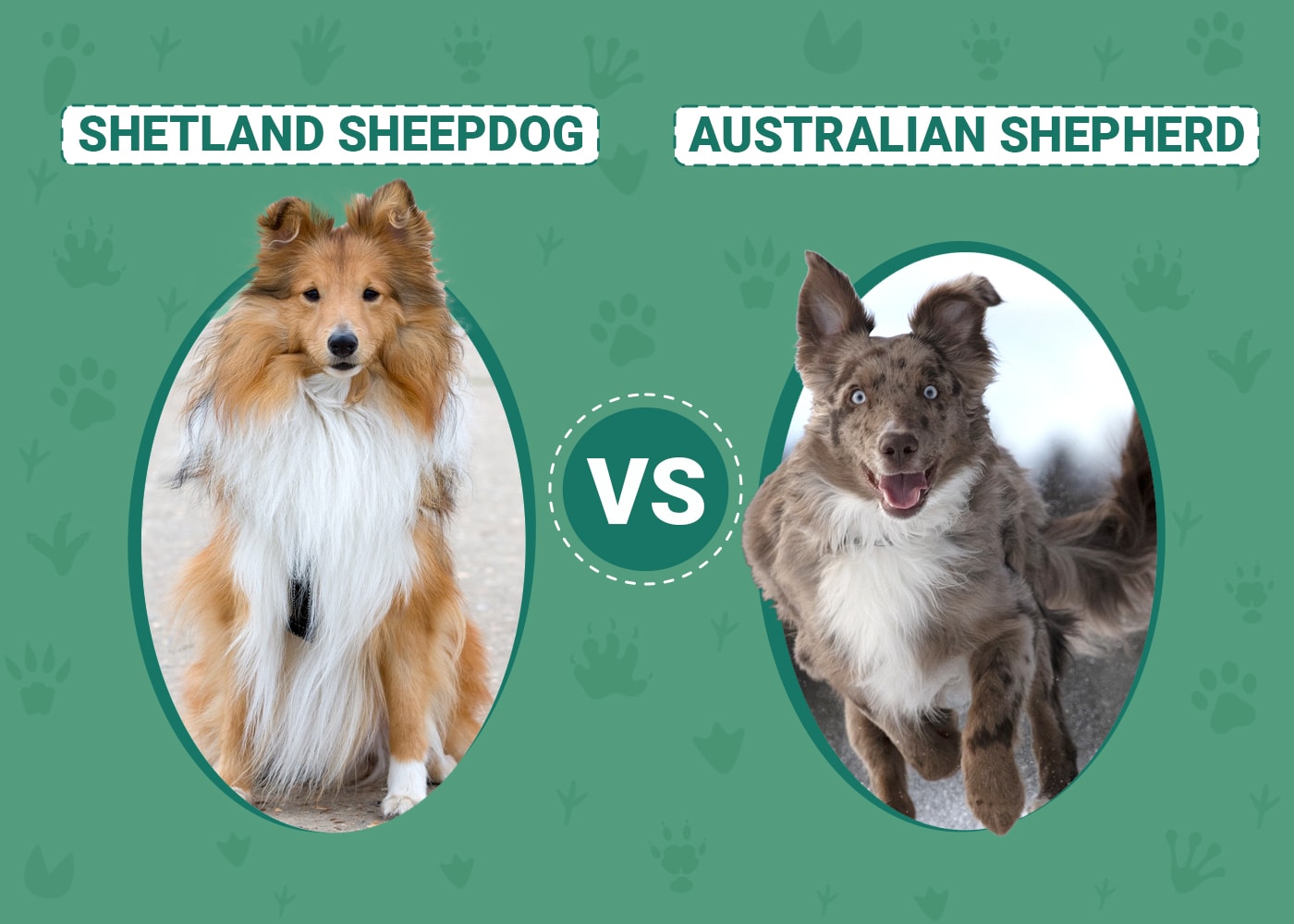
As a lifelong dog lover and experienced owner of herding breeds, I‘m always eager to analyze the similarities and differences between popular herding dogs like the Shetland Sheepdog and Australian Shepherd. While these intelligent, agile breeds share some traits, they also have distinct characteristics that make them better suited for different types of homes and owners. Let‘s take an in-depth look at the history, appearance, temperament, care needs and ideal lifestyles for Shelties and Aussies to help you determine which may be your perfect companion.
Breed History and Development
The Shetland Sheepdog, affectionately known as the Sheltie, originated in the harsh, windswept Shetland Islands off the northernmost point of the United Kingdom. For centuries, these small but hardy dogs served as versatile farm workers, herding sheep, cattle and ponies, protecting gardens and property, and serving as watchdogs and loyal companions. According to breed historians, early Shelties were likely influenced by crosses with mainland working collies, Scandinavian herding dogs, and eventually other small breeds like corgis and spaniels as the breed was refined and miniaturized. The first Shetland Sheepdogs were registered with the American Kennel Club in 1911.
Meanwhile, on ranches in the Western United States, the Australian Shepherd was developing into an invaluable herding and livestock guardian. Despite its misleading name, the Aussie is an American creation—descendants of herding dogs brought to the U.S. in the 1800s by Basque sheepherders from Australia and New Zealand. These tough, intelligent dogs were further refined by ranchers and farmers who prized their ability to tirelessly work in rugged conditions and scorching heat. Crosses with collies and other herding breeds solidified the smart, strong, driven Aussie we know today. The AKC recognized the breed in 1993.
Physical Characteristics and Breed Standards
The Shetland Sheepdog is a small but substantially built herding dog. Shelties stand between 13-16 inches tall at the shoulder, with females at the lower end of the range and males at the higher end. They typically weigh 15-25 pounds, with a compact, athletic build. The breed standard calls for a refined, wedge-shaped head, small erect ears tipped slightly at the top, and round, expressive eyes in shades of brown or blue.
One of the Sheltie‘s most striking features is its luxurious double coat, consisting of a long, straight outer coat and a soft, dense undercoat. The abundant mane, frill and feathering give the breed an elegant, almost fairy-tale look. Accepted coat colors are sable, ranging from golden to mahogany, black, and blue merle, all typically with symmetrical white and/or tan markings.
Australian Shepherds are classified as a medium-sized breed, but don‘t tell them that—they have the heart and work ethic of a much larger dog. Male Aussies stand 20-23 inches tall and weigh 50-65 pounds, while females stand 18-21 inches and weigh 40-55 pounds. They have a slightly longer than tall, muscular build designed for agility and endurance. Aussies have a moderately defined stop, triangular ears set high on the head, and intelligent, keen eyes that may be brown, blue, amber or any combination. Some Aussies display captivating heterochromia, or different colored eyes.
The Aussie‘s medium-length double coat is weather resistant and designed to protect them from harsh elements. The topcoat is straight or slightly wavy, while the undercoat provides insulation. Aussies come in four main colors—black, blue merle, red, and red merle—with or without white and/or tan markings. Many Aussies are born with naturally bobbed or partially bobbed tails, though some are born with full-length tails.
Temperament and Personality Traits
Both Shelties and Aussies are known for their keen intelligence, loyalty, and strong work ethic. These sensitive, intuitive breeds bond deeply with their families and thrive on human companionship. However, there are some important differences in their temperaments and drives.
Shelties are often described as gentle, responsive, and adaptable companions. They are typically reserved or cautious with strangers, but warm up quickly once introduced. Shelties are highly attuned to their owners‘ emotions and eager to please, which makes them very trainable using positive reinforcement methods. While energetic and playful, they also have an "off switch" and can be calm, dignified house dogs.
However, Shelties‘ herding instincts, combined with their tendency to be alert watchdogs, means they are prone to excessive barking if not trained properly. They may also try to chase and nip at children, other pets, bikes, and cars in an attempt to herd them. Shelties thrive with early socialization to boost their confidence and help them differentiate between real threats and normal sounds and activities.
Australian Shepherds, on the other hand, are known for their high energy, stamina, and strong desire to work. Aussies are assertive, confident dogs that need active, engaged owners to keep them mentally stimulated and physically exercised. They are usually friendly and outgoing with people, but may be standoffish with strange dogs.
As herding dogs bred to move and guard livestock, Aussies have strong impulse to chase, nip and herd. They require training and positive outlets for these instincts, such as herding trials, agility, flyball, disc games and other dog sports. Aussies are ideally suited for experienced owners that lead an active outdoor lifestyle and can keep them busy with training, work and play.
Exercise and Activity Level
Neither Shelties nor Australian Shepherds are content to be couch potatoes, but Aussies are definitely the more high-energy, high-stamina athletes of the two. Bred to tirelessly work long days on ranches and farms, Aussies need abundant vigorous exercise to stay physically and mentally fit.
Most Aussie owners provide at least 60-90 minutes per day of intensive activity, which can include running, hiking, swimming, fetching, agility and herding. Many Aussies also love to accompany their owners on horseback rides, runs and bike rides. Without enough exercise and stimulation, Aussies can easily become bored, hyperactive and destructive.
Shetland Sheepdogs also need regular exercise to stay happy and well-behaved, but their needs are more moderate. A few brisk walks and active playtime sessions each day, totaling 45-60 minutes, are usually sufficient for Shelties. They enjoy learning tricks, playing in the yard, and participating in gentler hikes and outings. Some Shelties, especially those from performance lines, are more energetic and may need additional activity.
With enough exercise and human interaction, Shelties can happily adapt to a variety of living situations, including apartments. They are well-suited for owners with a moderately active lifestyle.
Training and Mental Stimulation
In addition to physical exercise, both Shelties and Aussies require plenty of mental stimulation to prevent boredom and behavioral issues. These whip-smart breeds frequently top lists of the most intelligent and trainable dogs. In fact, in canine intelligence expert Dr. Stanley Coren‘s rankings, the Australian Shepherd comes in at #42 and the Shetland Sheepdog at #6 out of 138 assessed breeds.
Thanks to their strong work ethic and desire to please, both breeds excel in obedience, trick training, nose work, therapy work, and canine sports. Aussies especially tend to be "overachievers" that need regular training sessions and opportunities to exercise their brains. Many Aussies and Shelties go on to advanced obedience titles, agility championships, and successful careers as service dogs, search-and-rescue dogs, and competitors.
However, their intelligence can be both a blessing and a curse. Without proper training and boundaries, these clever breeds can quickly outsmart novice owners and develop stubborn, willful personalities. They require patient, consistent training using positive reinforcement methods like praise, play and high-value treats. Harsh corrections and punishment can damage the sensitive Sheltie‘s confidence and ruin the Aussie‘s strong work drive.
Shelties and Aussies do best with short, frequent training sessions that end on a positive note. Training should be an ongoing, lifelong process that continually challenges and rewards them for good behavior and learning new skills. Both breeds can be prone to alarm barking and herding tendencies, so teaching a solid recall and "quiet" command is essential.
Grooming and Coat Care
Both Shetland Sheepdogs and Australian Shepherds have luxurious double coats that require regular maintenance. Without proper grooming, their coats can easily become matted, tangled and prone to skin infections.
Shelties are often jokingly called "Shetland Shedding Dogs" by their owners due to their prolific shedding. They typically "blow coat" or shed heavily twice per year as the seasons change. During these times, daily brushing is necessary to remove dead undercoat and prevent matting. The rest of the year, Shelties need brushing at least 2-3 times per week with a pin brush, slicker brush and undercoat rake to keep their long, silky coat free of tangles and debris. They also need regular nail trims, ear cleanings and dental care.
Aussies have a medium to heavy shedding level with a thick, weather-resistant double coat. They shed some year-round and more heavily as their coat starts to "blow" in spring and fall. Weekly brushing with a slicker brush and pin brush is usually sufficient for Aussies, though they may need more frequent grooming during shedding season and if they spend a lot of time outside collecting dirt, burrs and foxtails. Some owners take their Aussies to a professional groomer every 4-8 weeks for a bath, trim and de-shedding treatment.
Both breeds should be bathed only as necessary, using a gentle shampoo designed for dogs to avoid stripping the coat of its natural oils. Many owners find that regular brushing and a "dry shampoo" or waterless shampoo works well to remove dirt and odor between full baths.
Health Concerns and Lifespan
As herding breeds, Shelties and Aussies can be prone to certain genetic health conditions. Responsible breeders screen their breeding stock for these issues to help produce healthy puppies. However, it‘s important for owners to be aware of potential problems and to follow recommended health screenings.
According to surveys by the Kennel Club UK, the average life expectancy for Shetland Sheepdogs is 12-13 years, with some living well into their teens. The most common causes of death are cancer (24.2%), old age (20.7%) and cerebrovascular disease (7.1%). Some health concerns seen more frequently in Shelties include hip dysplasia, eye diseases like collie eye anomaly and progressive retinal atrophy, hypothyroidism, epilepsy, and von Willebrand‘s disease (a blood clotting disorder).
Australian Shepherds have a slightly shorter average lifespan of 11-13 years, with the most common causes of death being cancer (32.2%), old age (12.4%) and cerebrovascular disease (7.6%). Aussies should be screened for hip and elbow dysplasia, various eye diseases like cataracts and collie eye anomaly, and inherited deafness, which can be linked to the merle coat pattern gene. Epilepsy, autoimmune thyroiditis, and certain cancers like lymphoma and hemangiosarcoma also occur more frequently in Aussies compared to other breeds.
Owners can help support their Sheltie or Aussie‘s health with regular vet check-ups, maintaining a healthy weight, feeding a high-quality diet, keeping up with preventative care like vaccinations and parasite control, and providing appropriate exercise for their age and fitness level. Choosing a puppy from health tested parents and following your breeder and vet‘s recommendations for screening can also help catch any problems early.
Ideal Home and Family
When deciding between a Shetland Sheepdog and an Australian Shepherd, it‘s essential to evaluate your lifestyle, activity level, training experience, and home environment to determine which breed may be a better fit.
Shelties‘ gentle, sensitive nature, moderate exercise needs and adaptability make them suited for a variety of living situations, from apartments to farms. They typically get along well with considerate children and other dogs, although interactions should always be supervised. Shelties can learn to coexist with other pets like cats if raised with them, but their strong prey drive means they may give chase to unfamiliar small animals.
Potential Sheltie owners should keep in mind the breed‘s tendency to bark excessively if not trained properly. Shelties often become very attached to their owners and may develop separation anxiety if left alone for long periods without proper conditioning. They do best with a consistent schedule and plenty of social interaction.
On the other hand, Australian Shepherds‘ high energy, stamina, and strong herding instincts mean they are better suited for suburban or rural homes with large fenced yards and very active owners. Aussies need space to run, play, and burn off their seemingly endless energy. Farms, ranches, and homes with access to hiking trails, lakes, and other outdoor adventures are ideal for this breed.
While Aussies typically adore children and make great playmates, they may be too exuberant for small kids and can accidentally knock them over with their full-body wiggles and fast moves. They also tend to nip and "herd" children in play. Aussies usually do well with other dogs and animals when socialized properly, but their assertive personalities and desire to herd can lead to chasing and bossiness.
Australian Shepherds are not ideal for first-time dog owners or families looking for a laid-back, low-maintenance pet. These driven, energetic dogs need experienced owners willing to make training and exercise a top priority. They are also prone to destructive behaviors like excessive chewing, digging and barking if their mental and physical needs are not adequately met.
Final Thoughts
Shetland Sheepdogs and Australian Shepherds are both intelligent, loyal, affectionate herding breeds that bond deeply with their families. However, their differences in size, energy level, intensity and ideal home environment mean that one of these breeds is likely a better fit for you than the other.
If you‘re looking for a moderately active, compact companion that will thrive with positive training and plenty of quality time with you, a Sheltie may be your match. These gentle, sensitive dogs often have an "off switch" and can adapt to many living situations with proper exercise and socialization.
If you lead a high-energy outdoor lifestyle and want a driven, assertive, tireless working companion, an Australian Shepherd could be your new adventure buddy. These agile, athletic dogs need experienced owners committed to training and channeling their strong work ethic and herding instincts.
Ultimately, the best way to decide is to meet several mature, well-bred examples of each breed and discuss your situation with reputable breeders. Attending dog shows and performance events can give you an up-close look at how Shelties and Aussies behave and interact. With either of these wonderful herding breeds, you can look forward to a lifetime of laughter, learning, and loyal companionship.