The Rottweiler Pitbull Mix: A Comprehensive Guide for Dog Lovers

As a dog lover and veterinary expert, I‘ve always been fascinated by unique hybrid dog breeds that blend the best traits of their parent breeds. One such impressive mix is the Rottweiler Pitbull, also known as the Pitweiler. This powerful, intelligent, and loyal cross between a Rottweiler and an American Pit Bull Terrier has become increasingly popular in recent years, but they are not a dog for everyone. In this comprehensive guide, I‘ll share my insights and research on the Rottweiler Pitbull mix to help you determine if this might be the right dog for you.
Origin and History of the Rottweiler Pitbull Mix
The Rottweiler Pitbull mix is a relatively new hybrid dog, believed to have originated in North America in the 1990s when breeders began crossing Rottweilers and American Pit Bull Terriers. While the exact reason for crossing these two breeds is unknown, it‘s likely that breeders were aiming to create a strong, protective, and loyal companion dog.
To better understand the Pitweiler, let‘s take a look at the history of the parent breeds. Rottweilers descend from ancient Roman drover dogs used to herd and guard livestock. In fact, the name "Rottweiler" comes from the German town of Rottweil, where these dogs became popular as protectors of butchers and cattlemen in the Middle Ages. Rottweilers later transitioned to police, military, and personal protection dogs due to their strength, intelligence, and guarding instincts. The American Kennel Club (AKC) recognized the Rottweiler breed in 1931 and they have consistently ranked in the top 20 most popular dog breeds in the U.S., with over 42,000 Rottweiler puppies registered in 2021 alone.
The ancestors of the American Pit Bull Terrier arrived in the United States in the late 1800s with immigrants from the British Isles. Sadly, these dogs were originally used in the cruel blood sports of bull-baiting and dogfighting. When these practices were outlawed, Pitbulls transitioned to all-around farm dogs and family companions known for their strength, agility, and affection for people. The United Kennel Club recognized the American Pit Bull Terrier in 1898 and the AKC recognized the similar American Staffordshire Terrier in 1936. The American Temperament Test Society (ATTS) reports that Pitbulls consistently achieve excellent passing rates of around 87% on their temperament tests, demonstrating their stable, friendly demeanor when raised in a proper environment.
Crossing these two loyal, protective, and capable breeds produces a hardy and driven working dog that also makes a devoted family companion in the right home. The Rottweiler Pitbull mix is still a rare hybrid, with only a few hundred puppies registered each year by designer dog registries like the International Designer Canine Registry (IDCR).
Physical Characteristics of the Rottweiler Pitbull Mix
The Rottweiler Pitbull mix is a large, muscular dog that tends to inherit the broad head, strong jaws, and powerful stance of both parent breeds. According to data from the IDCR, male Pitweilers typically stand 20-26 inches tall at the shoulder and weigh 50-100 pounds, while females are usually slightly smaller at 18-24 inches tall and 40-85 pounds. However, size can vary significantly depending on which parent breed the dog most favors.
| Characteristic | Rottweiler | Pitbull | Rottweiler Pitbull Mix |
|---|---|---|---|
| Height (inches) | 22-27 | 17-21 | 18-26 |
| Weight (pounds) | 80-135 | 30-65 | 40-100 |
| Coat | Short, thick, glossy | Short, stiff, glossy | Short, glossy |
| Colors | Black & tan, black & rust | Any color | Black, brown, tan; may have markings |
| Ears | Pendant | Erect or semi-erect | Erect |
| Tail | Docked short | Tapers to a point | Medium length, straight |
| Lifespan | 9-10 years | 12-14 years | 10-12 years |
Table 1: Comparison of physical characteristics of Rottweilers, Pitbulls, and their mix.
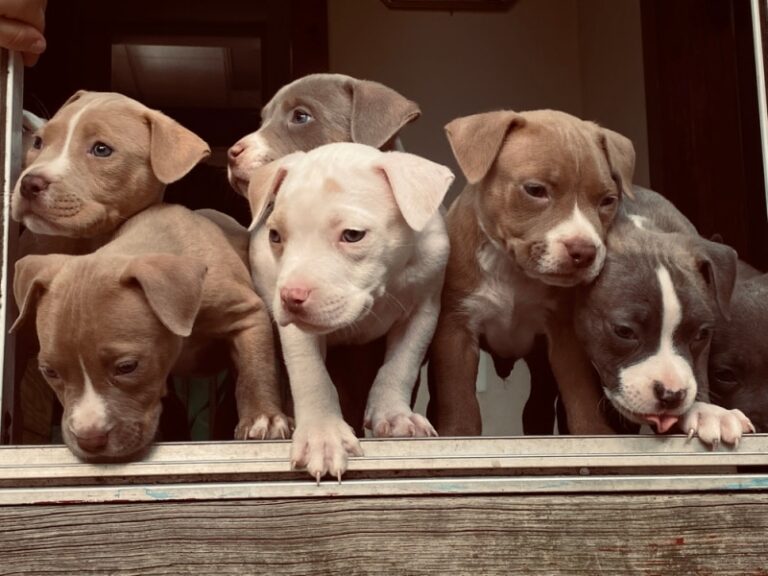
Pitweilers have a short, dense coat that is relatively low-maintenance, requiring only weekly brushing to remove loose fur and occasional baths. They are moderate shedders. Their coat is usually a mix of black, brown, and tan, and they may inherit the Rottweiler‘s rust or mahogany markings on the face, chest, and legs, or the Pitbull‘s brindle pattern or white patches. Their muscular, athletic build gives them an imposing appearance, but their soulful eyes and expressive face are endearing.
Temperament and Personality of Rottweiler Pitbull Mixes
The Rottweiler Pitbull mix is known for being loyal, confident, and protective of their family. They bond very closely with their owners and have a strong desire to please. Pitweilers are intelligent, trainable dogs who need a firm but loving leader to set boundaries and provide consistent training. As with both parent breeds, early socialization is absolutely essential to ensure a stable temperament.
"Pitweilers inherit the guarding instincts and watchfulness of the Rottweiler combined with the strength and determination of the Pitbull, so it‘s critical that owners train and socialize them from a young age to prevent territorial and aggressive behaviors," says Dr. Rachel Malamed, a veterinary behaviorist in Los Angeles.
In the right hands, Rottweiler Pitbull mixes can be gentle, affectionate companions who love snuggling and playing with their favorite humans. They often become very attached to their families and may experience separation anxiety if left alone too long. Pitweilers typically get along well with children when raised with them and properly socialized, but due to their large size and strength, interactions should always be supervised. They have a moderate to high prey drive and may not do well with smaller animals like cats unless extensively socialized.
One famous example of a Rottweiler Pitbull mix is Hulk, billed as the world‘s largest Pitbull at 175 pounds. Hulk lives with his owners, professional dog trainers Marlon and Lisa Grennan, at Dark Dynasty K9s in New Hampshire. Despite his huge size, Hulk is a gentle giant who adores the Grennan‘s young son. With proper training and socialization, Hulk demonstrates that even very large, powerful dogs can be stable, loving family companions.
Training and Exercise Needs
The Rottweiler Pitbull mix is a highly intelligent but strong-willed dog that requires an experienced, committed owner who will dedicate time to training and exercise. Positive reinforcement methods using rewards like praise, treats, and toys work best to motivate this eager-to-please hybrid. Consistency is key, and all family members must be on board with training to avoid confusion.
Pitweilers have high energy levels and need ample daily exercise to stay physically and mentally satisfied. A minimum of 60-90 minutes of activity in the form of long walks, hikes, swimming, or vigorous play is a must. Many Rottweiler Pitbull mixes excel at dog sports like agility, weight pulling, obedience, and dock diving, which are excellent outlets for their athleticism and work drive. Without proper exercise and enrichment, Pitweilers are prone to destructive behavior like excessive chewing, digging, or barking.
"Rottweiler Pitbull mixes are very smart, driven dogs who are happiest when they have a job to do. Puzzle toys, scent games, and obedience training help keep their intelligent minds busy," says certified dog trainer Stephanie Gibeault.
In addition to physical exercise, mental stimulation is also important for this brainy hybrid. Food puzzles, interactive toys, and regular training sessions engage their minds and help them stay content.
Potential Health Issues
As a mix of two purebred dogs, Rottweiler Pitbull mixes may be prone to some of the same health problems that affect their parent breeds. However, hybrid vigor may provide some protection against genetic disorders. Common potential health issues seen in Pitweilers include:
- Hip and elbow dysplasia
- Eye problems like cataracts and progressive retinal atrophy
- Heart conditions like aortic stenosis
- Autoimmune disorders like hypothyroidism
- Allergies and skin conditions
- Certain cancers like osteosarcoma
The Orthopedic Foundation for Animals (OFA) reports that 20.2% of Rottweilers and 5.9% of American Pit Bull Terriers are affected by hip dysplasia. Responsible Pitweiler breeders should screen their breeding stock for hip and elbow dysplasia, heart conditions, and eye disorders to minimize the risk of passing on these issues.
Gastric dilatation volvulus (GDV), also known as bloat, is a life-threatening digestive condition that can affect deep-chested dogs like Rottweiler Pitbull mixes. GDV occurs when the stomach fills with air and twists, cutting off circulation. Symptoms include drooling, restlessness, enlarged abdomen, and unproductive vomiting. If you suspect bloat, take your dog to the nearest veterinarian immediately, as GDV can be fatal without prompt treatment.
"Because of their Rottweiler heritage, Pitweilers have a higher risk for certain cancers like osteosarcoma. Regular vet checkups and knowing the signs to watch for, like lameness or swelling in the limbs, can help catch issues early," advises Dr. Jerry Klein, Chief Veterinary Officer for the American Kennel Club.
To keep your Rottweiler Pitbull mix healthy, feed a high-quality diet, keep them at a lean weight, brush their teeth regularly, and visit your veterinarian for annual checkups and recommended health screenings. With good care, Pitweilers can live 10-12 years on average.
Is a Rottweiler Pitbull Mix Right for You?
Rottweiler Pitbull mixes can be incredible companions in the right home, but they are not the dog for everyone. Pitweilers are powerful, intelligent, high-energy dogs that require extensive training and socialization to be well-mannered pets. Due to their strength and potential for aggression if not properly raised, Pitweilers are best suited for experienced dog owners who have the time and dedication to devote to their training and care.
Unfortunately, Rottweilers, Pitbulls, and their mixes are often misunderstood and vilified. Many homeowners insurance companies have breed restrictions that prohibit these dogs, and some municipalities have enacted breed-specific legislation (BSL) that regulates or bans ownership of these breeds. It‘s critical to research any laws or restrictions in your area before acquiring a Rottweiler Pitbull mix.
"Breed alone is not a reliable predictor of aggression. Any dog can bite, regardless of breed or mix. Pitweilers who are responsibly bred and raised in a loving, structured home are no more dangerous than any other large dog," says Melissa Lipani, director of the Animal Farm Foundation, an organization dedicated to securing equal treatment for "pit bull" dogs.
When raised by dedicated, knowledgeable owners, Rottweiler Pitbull mixes can be loyal guardians, playful companions, and even therapy dogs. If you have the time, energy, and experience to provide the training and care a Pitweiler needs, you may find that this unique hybrid is your ideal canine match.
How to Find a Rottweiler Pitbull Mix
If you‘ve decided that a Rottweiler Pitbull mix is the right dog for you, take your time to find a responsible breeder or reputable rescue organization. Because designer dogs like Pitweilers are in demand, many unscrupulous individuals breed them with no regard for health or temperament. Avoid pet stores, online ads, or breeders who always have puppies available, cannot provide health clearances, or do not allow you to visit their facility.
A responsible Pitweiler breeder will health test their breeding dogs for genetic issues like hip dysplasia, produce puppies raised in a clean, enriching environment, and carefully screen prospective owners to ensure their dogs go to appropriate homes. They should be knowledgeable about both Rottweilers and Pitbulls, provide a written contract and health guarantee, and be available as a resource throughout the dog‘s life.
Adopting an older Rottweiler Pitbull mix from a shelter or rescue group is another great option. According to the American Society for the Prevention of Cruelty to Animals (ASPCA), 3.1 million dogs enter U.S. shelters each year, and an estimated 20% are purebred or designer mixes. Pitweilers often end up in rescues because an owner underestimated their strength, exercise needs, or the commitment required to train them. Adopting an adult dog allows you to see their mature size and temperament, and many rescues provide behavioral assessments, training resources, and post-adoption support.
Conclusion
As a veterinarian and lifelong dog lover, I‘ve had the pleasure of caring for several Rottweiler Pitbull mixes over the years. One special patient, a 3-year-old Pitweiler named Tank, exemplifies the loyal, loving nature of this unique hybrid. Tank was rescued as a puppy by a dedicated owner who spent countless hours training and socializing him. Despite his 90-pound stature, Tank is a gentle giant who loves nothing more than cuddling with his family, going on hikes, and volunteering as a therapy dog at a local children‘s hospital. With his soulful eyes and goofy grin, Tank melts the hearts of everyone he meets and has inspired dozens of families to adopt Pitweilers of their own.
Of course, not every Rottweiler Pitbull mix will be as perfectly mannered as Tank. As with any dog, the key to a well-adjusted Pitweiler is choosing the right individual dog, providing plenty of exercise, socialization, and training, and being a responsible owner. If you have the knowledge, commitment, and lifestyle to properly care for a Rottweiler Pitbull mix, you may find that this courageous, capable, and affectionate hybrid is the ultimate canine companion.