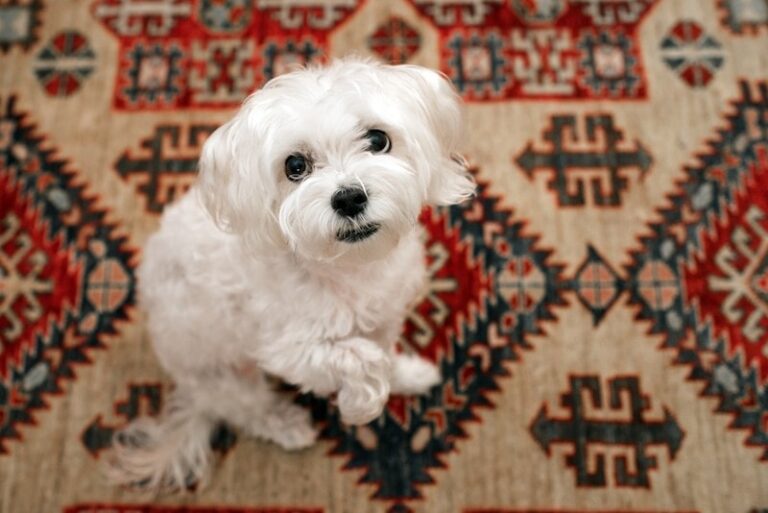
Teacup Pomeranians: The Tiny Dog Trend You Should Know About
Pomeranians have long been one of the most popular toy dog breeds, beloved for their fluffy coats, foxy faces, and bold personalities in a compact package. In recent years, the trend of miniaturizing Poms even further into "teacup" sizes has taken off. But is tinier really better? As a dog lover and Pomeranian enthusiast, I‘ve done the research to bring you this comprehensive guide to everything you need to know about teacup Pomeranians.
What Defines a "Teacup" Pomeranian?
According to the American Kennel Club breed standard, Pomeranians typically weigh 3-7 pounds and stand 6-7 inches tall at the shoulder. Teacup Poms, on the other hand, are bred to be significantly smaller, weighing under 3 pounds and standing just 5-6 inches tall at maturity.
However, "teacup" is not an official size classification for Pomeranians or any other breed. It‘s simply a marketing term used by some breeders to describe exceptionally small dogs. The American Pomeranian Club, the AKC‘s designated parent club for the breed, states:
"The APC does not endorse or condone the use of the term "teacup" to describe a Pomeranian nor recognize it as a separate classification of the breed…These terms are used to describe a Pomeranian that does not meet the AKC standard size of 3-7 pounds for the breed in order to market them to the public."
So while teacup Pomeranians are undeniably adorable, it‘s important for potential owners to understand that purposely breeding for extremely small sizes can come with serious health risks.
History and Origins of the Pomeranian
The Pomeranian as we know it today originated in the Pomerania region of northeastern Europe (now part of Germany and Poland) as a much larger spitz-type herding and sled dog. In the 18th century, the breed caught the eye of Queen Victoria, who began importing and breeding smaller Pomeranians down to their modern toy size.
Poms first arrived in the United States in the late 1800s and quickly became trendy companion dogs. By the 1950s, they were one of the most popular breeds in the country. The desire for ever-smaller "purse dogs" in recent decades has led to the rise of teacup Poms and similar extra-small varieties of other toy breeds.
Teacup Pomeranian Size Comparison
To give you an idea of just how tiny teacup Poms are, here‘s a size comparison chart:
| Size Classification | Weight | Height |
|---|---|---|
| Standard Pomeranian | 3-7 lbs | 6-7 inches |
| Toy Pomeranian | 3-5 lbs | 5-6 inches |
| Teacup Pomeranian | 2-3 lbs | 4-5 inches |
As you can see, teacup Poms are significantly smaller even than toy Poms, and may weigh half as much or less than the breed standard. This drastic reduction in size comes with many challenges.
Health Concerns with Teacup Breeding
The most concerning aspect of teacup Pomeranians is the potential health risks involved in breeding dogs to be so unnaturally small. Veterinarians and responsible breeders warn that intentionally producing undersized dogs can lead to a host of congenital issues and health problems.
Dr. Jerry Klein, Chief Veterinary Officer for the American Kennel Club, cautions:
"Teacup dogs can suffer from numerous health issues including hypoglycemia (low blood sugar), heart defects, collapsing trachea, seizures, respiratory problems, digestive problems, blindness, and arthritis. These issues can be severe and costly, and often result in a shortened lifespan for the dog."
Other common health concerns in teacup Poms include:
- Dental issues like overcrowding, misalignment, and early tooth loss
- Fragile bones that fracture easily
- Difficulty regulating body temperature
- Liver shunts
- Luxating patellas (dislocated kneecaps)
According to a study by the University of Sydney, dogs weighing under 10 pounds have over twice the risk of genetic disorders as larger dogs. Teacup dogs are also more prone to injury from falls, being stepped on, or mishandling.
Teacup Pomeranian Personality and Temperament
With their tiny size, it‘s easy to assume teacup Pomeranians are timid lapdogs. But don‘t let their cuteness fool you – these pint-sized pups have the same bold, spunky attitude as their larger Pom cousins packed into a smaller furry body!
Teacup Poms tend to be very affectionate and bonded to their humans, but they‘ve also got an independent streak. Without proper training, they can develop "small dog syndrome" and bad habits like excessive barking, refusing to obey commands, resource guarding, or even aggression towards strangers or other pets.
Like all dogs, teacup Pomeranians need early socialization and consistent positive reinforcement training to ensure they grow into well-mannered adult dogs. But their miniature size makes them more delicate and easily overwhelmed or injured by larger dogs or clumsy handling.
Grooming and Care Requirements
Teacup Pomeranians have the same fluffy double coat as standard Poms, which requires regular grooming to stay healthy and mat-free. Daily brushing, periodic baths, and trimming around the eyes, ears, paws and sanitary areas are a must. Expect lots of shedding, especially during seasonal coat changes!
Tiny Poms‘ small mouths also mean they‘ll likely need more frequent dental care – daily brushing and professional cleanings – to prevent tooth loss and gum disease. Pet insurance that covers dental work is highly recommended.
Feeding a teacup Pom requires carefully measured meals of high-quality food to prevent hypoglycemia and obesity, both of which can be life-threatening in such a small dog. Dr. Kathryn Primm, a veterinarian and owner of Applebrook Animal Hospital, recommends feeding three to four small meals a day.
Despite their diminutive size, teacup Poms still need exercise and mental enrichment to stay happy and healthy. Short walks and playtimes are usually sufficient – just watch those delicate joints on stairs or rough terrain. Puzzle feeders and trick training are great ways to engage their clever minds.
Is a Teacup Pomeranian Right For You?
There‘s no denying teacup Pomeranians‘ irresistible cuteness! But before falling for those big eyes and tiny paws, it‘s important to consider if you‘re prepared for the responsibilities and challenges of owning an extremely small dog:
Pros of Teacup Poms:
- Adorably small and extremely portable
- Suited to apartment or travel living
- Bond closely with their humans
- Can make delightful companions for adults
Cons of Teacup Poms:
- Increased risk of birth defects, health issues and injuries
- Require very frequent feeding and close monitoring
- Easily overwhelmed or hurt by small children or larger pets
- Tendency towards problem behaviors without training
- High costs of breeders and specialized care
Veterinarians advise that teacup Poms are best suited for experienced adult dog owners who are prepared for the extra financial and care responsibilities of an ultra-small dog.
How to Find a Teacup Pomeranian
If you‘ve decided a teacup Pom is the pet for you, the most important step is finding a reputable breeder who prioritizes health, temperament and adherence to the breed standard over simply producing the smallest dogs possible. Avoid pet stores, online sellers, or breeders churning out "rare" colors and sizes with no proof of health testing.
Signs of a responsible teacup Pom breeder include:
- Performs genetic and health testing on their dogs
- Allows you to visit and meet the puppy‘s parents
- Provides a written health guarantee and contract
- Will take the puppy back at any time if you can‘t keep them
You‘ll need to be patient and prepared to pay a premium price for a well-bred teacup Pomeranian puppy from a quality breeder. Expect prices over $3000, especially for males which tend to be smaller.
For those willing to open their hearts to an older dog, adopting a surrendered teacup Pom from a rescue organization can be another great option to provide a forever home for a dog in need.
The Bottom Line on Teacup Pomeranians
Teacup Pomeranians are undeniably one of the most adorable trends in the dog world, but it‘s so important for potential owners to understand the full picture before bringing one home. While these pint-sized Poms can make wonderful, loving, devoted companions, the significant health risks and intensive care needs that come with such extreme miniaturization must be carefully considered.
Choosing an undersized dog is not a decision to be made lightly. At the end of the day, a dog‘s overall health, quality of life, and suitability for your lifestyle matter far more than how many "likes" they‘ll get for their Instagram-perfect cuteness. A standard or toy-sized Pomeranian can provide just as much love, personality and portability in a sturdier, healthier package.
If you do decide a teacup Pom is the dog for you, do your research and choose an ethical breeder who focuses on breeding for health and temperament first and foremost. Be prepared to dedicate significant time, money and attention to ensuring your tiny companion thrives. With proper care, training, socialization and lots of love, you can enjoy many happy, adventurous years with your itty bitty best friend!