
The Pitsky: An Energetic and Lovable Husky Pitbull Mix
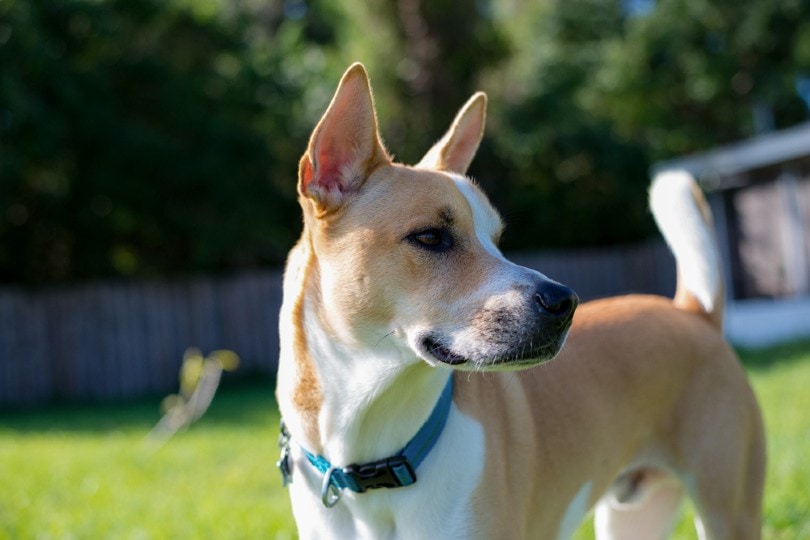
As a dog lover, I‘m always excited to learn about unique and fascinating cross-breeds. One that has captured my heart is the pitsky – a designer dog that combines the strength and loyalty of the American pitbull terrier with the striking looks and athleticism of the Siberian husky.
First bred in the early 2000s, the pitsky has been growing in popularity among active canine enthusiasts who appreciate the best qualities of both parent breeds. If you‘re considering adding one of these dynamic dogs to your life, read on to learn all about the pitsky‘s appearance, temperament, training and care needs.
Pitsky Physical Characteristics
The pitsky is a medium to large sized dog, with males weighing 45 to 80 pounds and females 30 to 65 pounds on average. They typically stand 18 to 25 inches tall at the shoulder when fully grown.
With parent breeds as athletic as the pitbull and husky, it‘s no surprise the pitsky has a muscular, agile build. Their body is slightly longer than tall, with a deep chest and powerful legs. The shape of their head can vary, with some favoring the wide pitbull head and others the more narrow husky muzzle.
One of the most striking features of pitskies is their eyes, which are often bright blue like the husky or bi-colored with one blue and one brown. Their ears are usually erect but can also be slightly folded at the tips.
Coat type and color is determined by genetics, with some pitskies inheriting the short smooth coat of the pitbull and others the thick double coat of the husky. Common coat colors are black, white, gray, brown, red and brindle, often with striking markings.
Rosie Persaud, owner of two pitskies in California, says "I have one pitsky with a short red and white coat, and one with a long black and white husky coat. They‘re both beautiful dogs that turn heads wherever we go. I love the uniqueness of this breed."
Pitsky Temperament and Personality
According to a study by the American Temperament Test Society, American pitbull terriers have a passing rate of 87.4%, while Siberian huskies passed 84% of the time. This means both parent breeds tend to have stable, friendly personalities, a trait the pitsky inherits.
Pitskies are known for forming strong bonds with their humans and being very affectionate. They are energetic, playful dogs that retain a puppy-like enthusiasm well into adulthood. Goofy antics and a love of attention tend to keep their owners entertained and laughing.
As social dogs, pitskies do best in homes where they receive plenty of interaction and are included in their families‘ activities. They can suffer from separation anxiety if left alone for long periods.
While pitskies adore people, they have a medium to high prey drive thanks to their husky ancestry. Some may view small animals like cats or rabbits as potential prey, so proper introductions and supervision is a must in multi-species homes.
With children, pitskies tend to be gentle and patient. However, their high energy level can lead to accidental knock-downs of small kids during play. Teaching both the dog and children how to respectfully interact is important for safety and happiness.
Natalie Goodwin, a pitsky owner from Oregon, says "My pitsky Finn adores my two kids and is always ready to join in whatever game or adventure they dream up. He‘s so tuned in to the family and aims to please. I couldn‘t ask for a more devoted dog."
Pitsky Training and Exercise
The combination of high intelligence and a willful streak from the husky can make the pitsky a challenge to train, but also uniquely rewarding. They need an owner who is patient, consistent, and able to make training fun and engaging.
Pitskyes excel at learning tricks and complex commands, as long as the process involves plenty of positive reinforcement like praise, play, and high value treats. Harsh corrections will only damage their trust and enthusiasm.
Socialization starting in puppyhood is also crucial for pitskys, as they can be standoffish towards new people and dogs if not adequately exposed while young. Take them to puppy classes, dog parks, and anywhere they can have positive experiences with novel sounds, sights, people and animals.
As high energy working breeds, pitskies need a minimum of 60 to 90 minutes of intense physical activity per day. They make excellent running, hiking and biking partners. Mental stimulation through puzzle toys, slow feeders, novelty and training is also key to preventing boredom and destructive behaviors.
Some pitsky owners enjoy training their dogs for dog sports like agility, flyball, weight pull and dock diving to channel their physical and mental energy. With their smarts and athleticism, many pitskies excel at these sports.
Mark Rollins, a pitsky owner and dog trainer in Colorado, says, "Without enough exercise and mental challenge, pitskies can quickly become destructive in the home. But if you commit to meeting their activity needs, you‘ll have an adventure buddy like no other. My pitsky Summit is always ready to run, hike, or learn a new skill."
Pitsky Grooming and Shedding
The grooming needs of a pitsky depend on the type of coat they inherit. Those with the short pitbull coat are low maintenance, requiring only weekly brushing and occasional baths. However, owners of "fluffy" pitskies with the longer husky coat have their work cut out for them.
Huskies are notorious for their heavy shedding, especially during seasonal coat blowing periods. Pitsky inherits this trait, and will leave a consistent coating of fur on furniture, clothing and floors. Brushing at least three times per week is essential to remove loose hair and avoid matting. Daily brushing is often necessary when shedding peaks in spring and fall.
Baths can be done every 4 to 6 weeks using a moisturizing shampoo, as pitskies are prone to dry skin. The nails should be trimmed monthly and the ears checked weekly for cleanliness. Dental care including brushing a few times a week and providing dental chews can prevent gum disease and tooth loss.
"Grooming is definitely a big commitment with my long-haired pitsky compared to my short haired one," says owner Rosie Persaud. "But I find it to be a bonding experience and a chance to check over their whole body for any health concerns."
Pitsky Health and Lifespan
A 2010 health survey by the UK Kennel Club found that the median lifespan for Siberian Huskies was about 12 years. As a bully breed, American pitbull terriers tend to live 10 to 12 years. Pitskys inherit this life expectancy range and can live 10 to 14 years on average with proper care.
As a mixed breed, pitskies may be prone to any of the health conditions that affect their parent breeds. Responsible breeders will health test the parents for these issues before breeding:
- Hip and elbow dysplasia
- Knee problems like patellar luxation
- Eye disorders such as juvenile cataracts, corneal dystrophy and progressive retinal atrophy
- Autoimmune thyroiditis
- Heart disease like aortic stenosis
- Allergies and skin problems like zinc responsive dermatosis
The UK Kennel Club‘s 2004 purebred dog health survey found that 6.2% of Siberian Huskies and 3.7% of American Pitbull Terriers suffered from hip dysplasia. Epilepsy and hypothyroidism are also relatively common, affecting around 3% of the parent breeds.
"I make sure my pitsky gets a full vet check-up annually to stay on top of any potential health problems," says owner Natalie Goodwin. "Feeding a high quality diet, keeping them at a healthy weight and providing plenty of exercise goes a long way towards warding off issues down the line."
Finding a Pitsky
Pitsky puppies can be difficult to find, as they are not a recognized purebred and are produced primarily by hobby breeders. Prices vary widely based on the pedigree and physical traits of the parents, ranging from $500 to over $2000.
Reputable pitsky breeders will health test the parent dogs, provide health certificates and guarantees for the puppies, and allow you to visit their home to see the conditions the dogs are raised in. They will ask you questions about your lifestyle and experience to ensure their pups are going to suitable homes. Avoid breeders who always have puppies available, cannot provide health clearances, or offer to ship a puppy without an in-person meeting.
Adopting a pitsky in need of a home is a wonderful way to skip the puppy stage and save a life. Petfinder.com currently has over 5,000 pitsky-type dogs listed for adoption nationwide. Most are young adults under the age of 3 who were surrendered due to incompatibility with their previous owner‘s lifestyle.
"Both of my pitskies are rescues," says owner and trainer Mark Rollins. "So many end up in shelters because people aren‘t prepared for their energy level and exercise needs. If you have the time and commitment to give them the life they deserve, I highly recommend adopting a pitsky."
Fun Facts About the Pitsky
- A pitsky named Hulk living in New Hampshire weighs 175 pounds and is believed to be the largest of his breed. His massive size comes from his XXL pitbull father.
- Pitskies can make excellent therapy dogs thanks to their friendly, intuitive nature. With proper training they provide comfort to people in hospitals, nursing homes, schools and more.
- The pitsky‘s tendency to "talk" with grumbles, whines, howls and other vocalizations comes from their husky lineage. They may not be the best choice for apartment dwellers.
- Pitsky owners have an endless source of entertainment with their dog‘s goofy personality quirks, from "singing" along to music to attempting to "help" with household chores.
- Actress Minka Kelly owned a pitsky named Chewy, who was featured in many of her social media posts until he passed away from cancer. Other celebrity pitsky owners include rapper Pitbull and singer Miley Cyrus.
Is the Pitsky Right For You?
Pitskies can be the ultimate companion for the right person or family, but they are not the breed for everyone. The ideal pitsky owner:
- Is active and outdoorsy, with the ability to provide at least an hour of vigorous exercise daily
- Has experience with intelligent, high energy dogs
- Is willing to commit significant time to positive reinforcement training and socialization
- Can provide plenty of attention, playtime and interaction
- Has a securely fenced yard or other safe off-leash exercise areas
- Doesn‘t mind a bit of fur on their clothing and furniture
"Owning a pitsky is not for the faint of heart," says Natalie Goodwin. "But for me, their boundless love, loyalty, and zest for life is completely worth the time and energy they require. At the end of a long day, nothing beats relaxing with a pitsky snuggled up at your side."


