
Yorkillon (Yorkshire Terrier & Papillon Mix): Info, Pictures, Care & More

What to Know About the Adorable Yorkillon Dog Breed
Are you looking for a tiny canine companion with a big personality? Meet the Yorkillon — a lovable cross between the Yorkshire Terrier and Papillon. While you may know a bit about the parent breeds, the Yorkillon has some unique traits that set it apart. As a veterinarian and dog lover, I‘m excited to share everything you need to know about this delightful little dog.
History of the Yorkillon
The Yorkillon is a relatively new mixed breed that originated in the United States, likely within the last 20-30 years. As designer dogs became more popular, breeders began crossing Yorkshire Terriers and Papillons to create a small, affectionate companion dog. While the exact origins are unclear, these mixes started popping up more frequently by the early 2000s.
The parent breeds have much longer histories. Yorkshire Terriers were developed in England in the 1800s as ratters in clothing mills. They transitioned to companion dogs thanks to their small size and loving nature. Meanwhile, Papillons have been cherished lapdogs since the 1500s, prized by European nobility for their butterfly-like ears and charming disposition. By crossing these two breeds, the Yorkillon inherits a blend of their best qualities.
Physical Characteristics
As a mix between two toy breeds, the Yorkillon is a tiny dog, typically weighing just 5-9 pounds and standing 8-10 inches tall. They have a petite build but are generally sturdier than their Yorkshire Terrier parent.
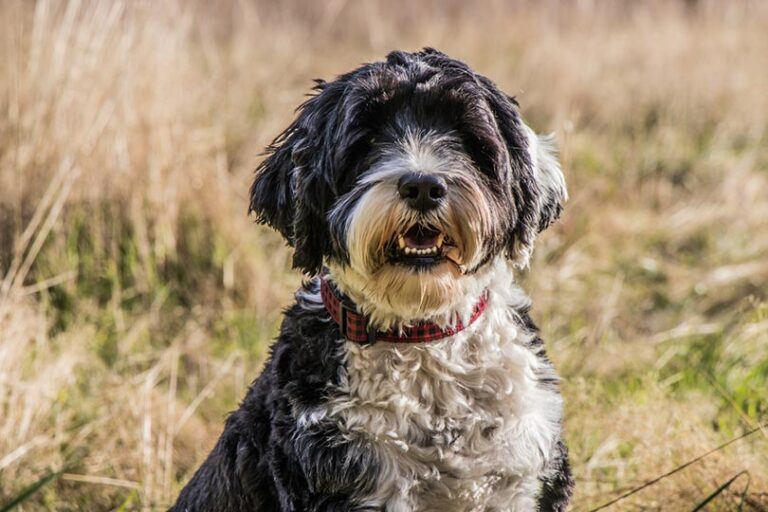
One of the most adorable features of Yorkillons is their facial hair, which often grows longer around the muzzle like a little beard. They have round, expressive eyes and usually erect ears, though some may have the floppy ears of the Papillon instead. The long, silky coat most commonly seen in Yorkies can appear in Yorkillons, but they may also have the soft, fluffy fur of the Papillon. Possible coat colors include black, blue, white, tan, fawn, sable, and mixes of these shades.
Temperament and Personality
Yorkillons pack a lot of personality into a pint-sized package. They are known for being affectionate, intelligent, and somewhat sassy. As companion dogs, they bond very closely with their humans and always want to be near you. This is not a breed that likes to be left alone for long periods.
Like their parent breeds, Yorkillons can be suspicious of strangers if not socialized properly. But with positive exposure to many people from a young age, they usually warm up quickly and enjoy being the center of attention. These outgoing little dogs do well in active households where someone is usually around to shower them with love and playtime.
While the Yorkillon may be too fragile for families with very young children, they are a good fit for homes with older, gentle kids. They get along with other dogs when raised together, but their bold, fearless attitude may lead them to harass larger dogs if not taught boundaries.
Training and Exercise Needs
Though small in stature, Yorkillons have moderate to high energy levels and quick minds. They need daily exercise and mental stimulation to prevent boredom and mischief. Aim for 20-30 minute walks twice a day, plus some indoor playtime or brain games. Teaching them tricks is a great way to challenge their intelligent nature.
Yorkillons respond well to training and enjoy having a job to do. However, they can also be a bit stubborn and may decide that they‘d rather do things their way sometimes. The key is to start training early, be consistent, and use positive reinforcement methods like treats and praise. Harsh corrections will only make them shut down.
Housetraining can sometimes be a challenge for toy breeds, but it‘s very important for dogs who will mostly live indoors. Crate training is recommended to speed up the process and prevent accidents when you can‘t supervise. Just remember that tiny puppies have tiny bladders and will need to go out frequently.
Yorkillons also tend to be alert and vocal, traits inherited from their parent breeds. Teaching a "quiet" command can help curb excessive barking, but these are not dogs that will be seen and not heard. Their chattiness is part of their charm for many owners.
Grooming and Healthcare
Despite their long, silky coats, Yorkillons are fairly low maintenance in the grooming department. Brushing a few times a week will prevent tangles and mats. If kept long, the coat may need occasional trimming around the face and sanitary areas. Baths every 4-6 weeks will keep the coat clean and healthy.
Other grooming needs include regular nail trims, ear cleaning, and dental care. Small breeds are especially prone to dental disease, so brushing your Yorkillon‘s teeth a few times a week and providing dental chews is important.
When it comes to health, the Yorkillon is generally a hardy little dog with a lifespan of 12-15 years. However, they may be prone to some genetic conditions affecting their parent breeds, such as:
- Patellar luxation (dislocated kneecaps)
- Tracheal collapse
- Dental issues
- Progressive retinal atrophy
- Liver shunts
- Legg-Calve-Perthes disease (hip joint disorder)
Not every Yorkillon will develop these issues, but it‘s important to be aware of the risks. Choosing a puppy from health-tested parents can reduce the likelihood of inherited disorders. Regular check-ups with your vet will also catch any developing issues early.
Finding a Yorkillon
If you‘ve fallen in love with the sassy-sweet Yorkillon, you may be wondering where to find one. These mixes are still fairly rare, so you may need to do some searching.
When looking for a Yorkillon puppy, seek out reputable breeders who health test their dogs and raise puppies in enriching environments. Avoid pet stores or online ads, as these often source puppies from puppy mills. Expect to pay $800-$2500 for a well-bred Yorkillon puppy, and be prepared to wait for the right match.
You can also check local animal shelters and rescue organizations. While it may be harder to find a Yorkillon in rescue, you never know when one might come along. Adopting an adult dog also lets you skip the challenging puppy stage.
Is the Yorkillon Right For You?
Now that you know all about the Yorkshire Terrier-Papillon mix, is this pointy-eared cutie the right dog for you? Consider these pros and cons:
Yorkillon Pros:
- Loving, devoted companion
- Portable size, ideal for apartments
- Relatively low-shedding coat
- Entertaining, goofy personality
- Gets along with other pets
Yorkillon Cons:
- Prone to separation anxiety if left alone too much
- May be difficult to housetrain
- Can be yappy without training
- Fragile build not suited to rough play
- Potential for inherited health issues
Ultimately, the Yorkillon is best suited to owners who have the time and motivation to train, exercise, and socialize a small but mighty dog. If you can handle a tiny dog with a big personality, you may have found your ideal match in the Yorkillon. These sweet-natured charmers will bring laughter, love, and limitless snuggles to your life for many years to come.



:%20Info,%20Pictures,%20Care%20&%20More)